
Understanding Small White Spots on Arms and Legs: Causes, Care, and Prevention
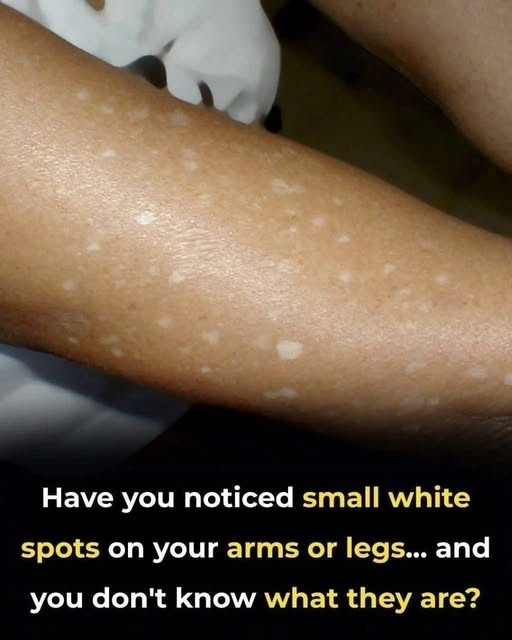
Discovering unexpected skin changes can often cause concern, especially when small, distinct white spots appear on sun-exposed areas like the arms and legs. These little patches frequently show up after spending time outdoors, leading many people to wonder whether they stem from sun damage, dry skin, or underlying dermatological conditions. Navigating the world of skin health requires distinguishing between harmless cosmetic variations and symptoms that warrant professional medical evaluation.
Understanding how our skin responds to ultraviolet (UV) radiation, aging, and environmental factors helps demystify these common skin markings. As dermatologists and primary care physicians emphasize, proactive skin protection and routine checkups are essential for maintaining healthy skin integrity. By exploring the causes of skin hypopigmentation, practical skincare tips, and common misconceptions, you can care for your skin with confidence.
The Science of Skin Pigmentation and Sun Exposure
To understand why small white spots develop on the limbs, it helps to examine how the skin produces color and reacts to environmental elements.
Melanocyte Function: Skin color is determined by specialized cells called melanocytes, which produce melanin—the pigment responsible for protecting skin from UV radiation and giving it color.
Idiopathic Guttate Hypomelanosis (IGH): One of the most common causes of small, flat white spots on the arms and legs is IGH. These harmless, smooth spots typically appear as a result of cumulative, long-term sun exposure over many years.
Localized Pigment Loss: When melanocytes in specific tiny areas lose their ability to produce melanin or decrease in number, the skin manifests small, lighter-colored macules compared to the surrounding tanned or pigmented skin.