
Navigating Health Warnings: Fact-Checking Viral Medical Claims, Nocturnal Leg Cramps, and Health Literacy
Introduction
In the modern digital information ecosystem, health warnings, symptom checkers, and sensationalized medical claims spread across social media platforms within seconds. When dramatic warnings regarding common physical discomforts—such as nighttime leg cramps signaling severe health dangers—surface online, they instantly capture public attention, sparking widespread curiosity, anxiety, and massive sharing across global networks.
Navigating high-engagement wellness media requires sharp critical thinking, scientific verification skills, and health literacy. In this comprehensive guide, we will explore the mechanics of online health myths, the reality of nocturnal muscle cramps, and how staying critically informed intersects with your personal finance management, insurance coverage, and overall wellness.
The Reality of Nighttime Leg Cramps and Medical Myths
Social media algorithms and clickbait networks frequently capitalize on common health discomforts, generating unverified warnings that sensationalize normal physical occurrences.
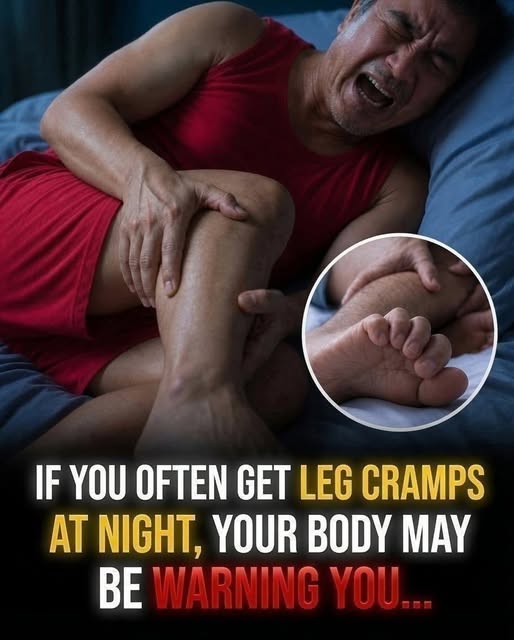
Understanding Nocturnal Leg Cramps: Nighttime leg cramps are sudden, involuntary contractions of the muscles in the calf, foot, or thigh that occur during rest or sleep. While often benign and linked to muscle fatigue, dehydration, or electrolyte imbalances, they can occasionally be associated with underlying circulatory or neurological factors.
The Motive Behind Clickbait Health Claims: Unverified pages and malicious websites often utilize dramatic photographic simulations, exaggerated medical warnings, and incomplete hooks (“If you often get leg cramps at night, your body may be warning you…”) to drive massive web traffic and maximize ad revenue.
The Importance of Professional Guidance: While staying well-hydrated, engaging in light stretching, and maintaining balanced electrolytes can help manage minor cramps, persistent or severe pain requires proper medical evaluation rather than internet panic.
Balancing Health Literacy with Financial and Legal Preparedness
While following wellness developments is a common part of modern media consumption, real-world security requires a proactive approach to your own household’s financial and legal readiness.
Comprehensive Health Insurance: Securing robust health insurance coverage ensures your family is protected against unexpected medical needs, routine checkups, and professional healthcare consultations.
Emergency Budgeting: Maintaining a dedicated emergency savings fund supports your personal finance strategy when navigating sudden life changes or health uncertainties.
Consulting Legal Professionals: Working with qualified legal services, medical compliance experts, or estate attorneys ensures that your family’s long-term security and legal rights are properly safeguarded.
Practical Tips for Health Literacy and Verifying News
As sensationalized health stories circulate across social media, developing strong critical thinking skills helps you separate internet myths from verified medical facts.
Best Practices for Analyzing Health Claims
Verify Official Sources: Always cross-reference health claims and symptom warnings with official guidance from board-certified physicians, vascular specialists, and established medical organizations.
Check for Corroborating Reports: If common muscle cramps signaled immediate systemic emergencies, global medical boards would issue official warnings. The absence of mainstream scientific panic is a major indicator of exaggeration.
Avoid Emotional Sharing: Take a step back when encountering alarming health headlines and wait for expert medical verification before spreading unverified alerts online.