
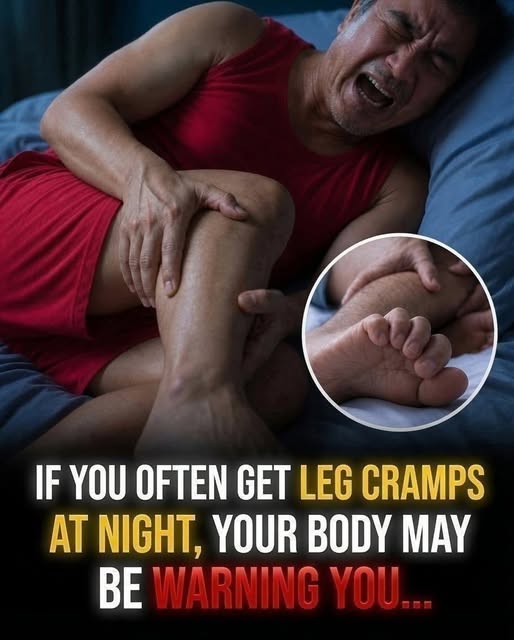
Navigating Health Warnings: Fact-Checking Viral Medical Claims, Nocturnal Leg Cramps, and Health Literacy
The Nature of Muscle Spasms: Nocturnal cramps often happen during periods of rest because changes in limb position or tendon shortening can trigger involuntary muscle firing.
Preventative Stretching: Simple calf stretches before bedtime have been shown in many cases to help reduce the frequency and intensity of nighttime cramps.
The Evolution of Wellness Culture: Digital health media has amplified both helpful self-care tips and misleading medical myths, making critical health literacy an essential skill for modern internet users.
When to Consult a Professional
If you experience frequent, severe, or painful nocturnal leg cramps that disrupt your sleep or are accompanied by swelling, redness, or muscle weakness, it is always best to consult a licensed physician or specialist rather than relying on viral social media posts. Professional care ensures safe and accurate diagnosis.
Conclusion
Extraordinary health claims and viral symptom warnings highlight the profound challenges of modern digital media reporting. By approaching health news with critical medical literacy, understanding how clickbait networks operate, and prioritizing your own household’s financial and legal preparedness, you can maintain a grounded and well-informed perspective.
Frequently Asked Questions (FAQ)
What causes nighttime leg cramps to occur?
Nighttime leg cramps can be caused by muscle fatigue, dehydration, electrolyte imbalances, prolonged sitting, or physical overexertion.
Why do viral health posts use alarming clickbait hooks?
Pages use dramatic imagery and incomplete warning sentences to trigger anxiety and curiosity, driving millions of users to click external links that generate ad revenue.
How can I naturally relieve or prevent leg cramps at home?
Gentle stretching, staying well-hydrated throughout the day, massaging the affected muscle, and applying warm compresses can help alleviate cramp discomfort.
How can I protect my mental health from distressing online health rumors?
Limiting time spent browsing unverified social media feeds, setting intentional boundaries on health news consumption, and relying on trusted medical professionals help maintain balance.