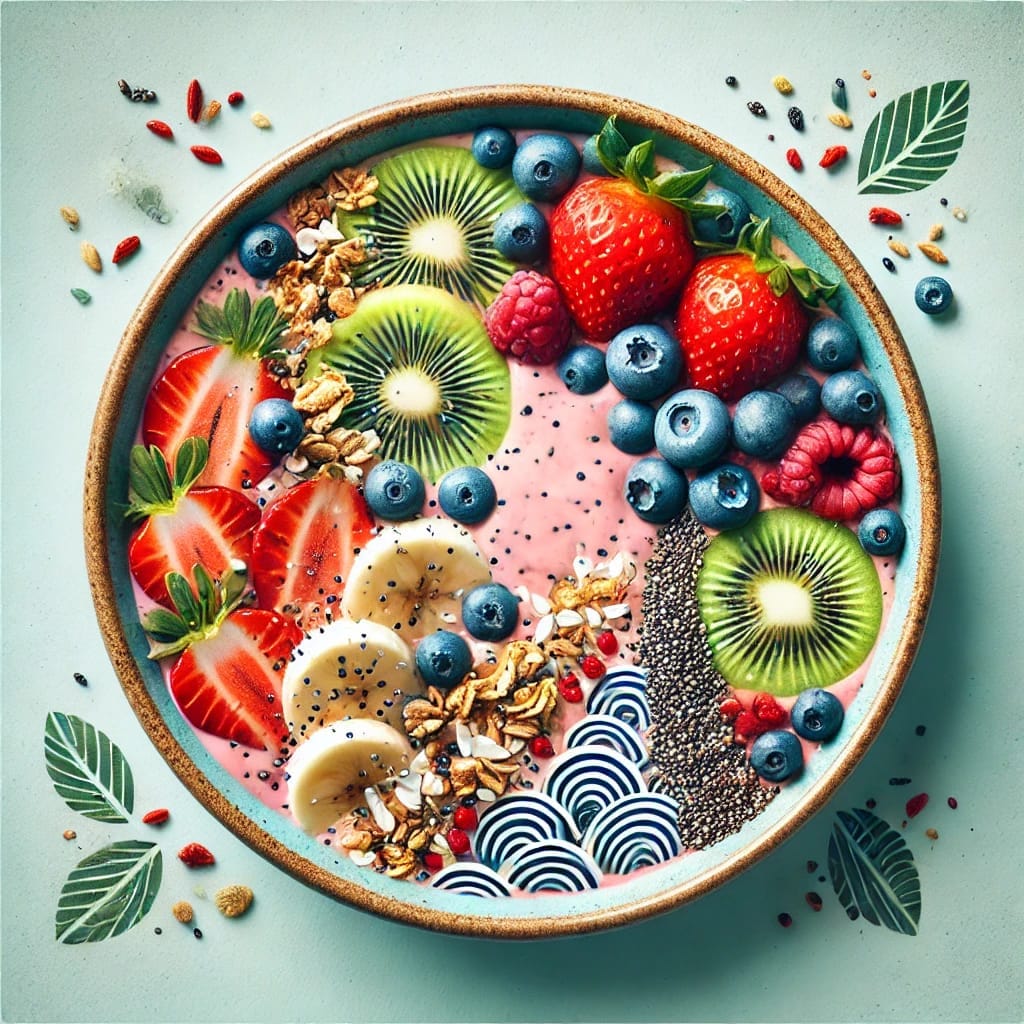

3 Science-Backed Fruits That Support Liver Health, Blood Sugar, and Cholesterol
For years, people managing fatty liver disease, insulin resistance, or elevated cholesterol were often told to avoid fruit altogether because of its natural sugar content. Yet modern nutritional science tells a much more nuanced story: whole fruits packed with soluble fiber, polyphenols, and targeted antioxidants can actually improve metabolic markers rather than worsen them.
Non-alcoholic fatty liver disease (now clinically termed metabolic dysfunction-associated steatotic liver disease, or MASLD), blood sugar spikes, and high LDL cholesterol rarely occur in isolation. They share common root drivers—primarily chronic inflammation, oxidative stress, and insulin resistance.
Understanding which specific whole fruits deliver measurable metabolic benefits—and how to eat them without overloading on fructose—can make a meaningful difference in a balanced diet.
Why Whole Fruit Acts Differently Than Added Sugar
The confusion around fruit and liver health stems from how the liver processes fructose. Unlike glucose, which cells throughout the body can use directly for energy, fructose is metabolized almost exclusively by the liver.
When someone drinks sugary sodas, sweetened fruit juices, or foods high in high-fructose corn syrup, a massive wave of liquid fructose hits the liver at once. With no fiber to slow absorption, the liver converts excess fructose directly into triglycerides—contributing to fat buildup in liver cells, higher blood sugar, and elevated cholesterol.
Whole fruit behaves very differently inside the digestive tract:
- Intact cellular fiber: Soluble and insoluble fibers form a gel-like matrix that slows down sugar absorption, preventing sharp insulin spikes.
- Bioactive polyphenols: Plant compounds found in fruit skins and pulp reduce oxidative stress and improve insulin sensitivity.
- High water volume and satiety: Eating a whole apple or bowl of berries fills you up with far fewer calories and less total sugar than a single glass of juice.
1. Berries (Blueberries, Strawberries, and Raspberries)
Among all fruit categories, dark berries consistently show the strongest clinical evidence for supporting liver, blood sugar, and cardiovascular health. Blueberries, blackberries, raspberries, and strawberries are naturally low in sugar while delivering an exceptionally dense concentration of fiber and anthocyanins—the deep red and purple pigments responsible for their antioxidant power.
How Berries Support Metabolic Health
- Liver fat and inflammation: Nutritional studies suggest that anthocyanins help reduce hepatic lipid accumulation and lower markers of liver inflammation by activating pathways that improve fat oxidation.
- Blood sugar control: Raspberries and blackberries provide roughly 7 to 8 grams of fiber per cup, giving them one of the lowest glycemic loads of any fruit. Eating berries alongside meals has been shown to blunt post-meal glucose and insulin spikes.
- Cholesterol balance: Regular berry intake helps prevent the oxidation of LDL (“bad”) cholesterol—a key step in arterial plaque formation—while supporting healthier HDL levels.
Best way to eat them: Add half a cup to one cup of fresh or unsweetened frozen berries to plain Greek yogurt, steel-cut oats, or a handful of walnuts.
2. Apples
The classic saying about an apple a day holds up surprisingly well under metabolic research, provided you eat the peel. Apples combine two standout compounds: pectin, a prebiotic soluble fiber, and quercetin, a potent flavonoid concentrated primarily in the skin.
How Apples Support Metabolic Health
- Cholesterol reduction: Pectin binds to bile acids and cholesterol in the digestive tract, helping your body excrete them rather than reabsorb them. Over time, consistent soluble fiber intake helps lower circulating LDL cholesterol.
- Gut-liver axis support: Because pectin acts as a prebiotic fiber, beneficial gut bacteria ferment it into short-chain fatty acids (like butyrate) that reduce systemic inflammation and protect the liver barrier.
- Steady glucose release: Despite their natural sweetness, whole apples have a low glycemic index because their dense fibrous structure slows down digestion.
Best way to eat them: Slice a whole, unpeeled apple and pair it with a tablespoon of natural almond or peanut butter to combine soluble fiber with healthy fats and protein.
3. Avocados
Botanically classified as a single-seeded berry, the avocado stands apart from sweet fruits because it contains virtually zero sugar and is rich in heart-healthy monounsaturated fats. For anyone targeting fatty liver, blood sugar stability, and cholesterol at the same time, avocados offer a rare nutritional profile.
How Avocados Support Metabolic Health
- Cholesterol improvement: Clinical trials consistently show that replacing saturated fats (such as butter or processed meats) with monounsaturated oleic acid from avocados lowers LDL cholesterol and triglycerides without reducing protective HDL cholesterol.
- Blood sugar stability: With roughly 10 grams of fiber per medium avocado and less than 1 gram of sugar, avocados do not spike blood glucose and help slow the absorption of carbohydrates eaten in the same meal.
- Liver protection: Avocados supply glutathione precursors, vitamin E, and anti-inflammatory phytosterols that help shield liver cells from oxidative damage.
Best way to eat them: Add a quarter to half of a fresh avocado to salads, scrambled eggs, or whole-grain toast instead of mayonnaise or butter.
Important Distinctions: What No Fruit Can Do Alone
While adding berries, apples, and avocados to your routine provides genuine nutritional support, no single food acts as a standalone cure for fatty liver disease, type 2 diabetes, or high cholesterol.
Keep these practical guidelines in mind for the best results:
- Skip fruit juices and dried fruits with added sugar: Juicing strips away the protective fiber, turning even healthy fruits into concentrated sugar water.
- Watch portion sizes: Stick to one to two servings of whole fruit per day, ideally spaced out rather than eaten all at once.
- Pair fruit with protein or healthy fats: Combining fruit with nuts, seeds, yogurt, or eggs further slows glucose absorption.
- Focus on the bigger picture: Sustainable weight management, regular physical activity, limiting refined carbohydrates and alcohol, and following your doctor’s medical advice remain the foundation of reversing liver fat and improving metabolic panels.
If you have been diagnosed with fatty liver disease, diabetes, or high cholesterol, always consult your physician or a registered dietitian before making major dietary changes, especially if you take blood sugar or cholesterol medications.
Frequently Asked Questions
Is fruit sugar bad for someone with fatty liver disease?
Whole fruit eaten in sensible portions is generally beneficial, not harmful, for people with fatty liver disease. The fiber, water, and antioxidants in whole fruit slow digestion and protect liver cells, unlike added sugars and sugary beverages that overload the liver with rapid fructose.
What is the best time of day to eat fruit for blood sugar control?
Eating whole fruit earlier in the day or directly after a balanced meal containing protein and healthy fats helps minimize blood sugar spikes. Eating large portions of high-sugar fruit alone on an empty stomach late at night is more likely to cause a noticeable glucose rise.
Should people with high cholesterol avoid grapefruit?
Grapefruit contains beneficial soluble fiber and antioxidants, but it interacts dangerously with several common cholesterol-lowering statins and blood pressure medications by altering liver enzymes. If you take prescription medications, always check with your doctor or pharmacist before eating grapefruit.
Are frozen berries as healthy as fresh berries?
Yes. Unsweetened frozen berries are typically picked and flash-frozen at peak ripeness, preserving their anthocyanins, vitamins, and fiber. Just check the ingredient label to make sure no sugar or syrup has been added.