Why You Should Think Twice Before Hanging Tea Towels on Your Oven Door Handle
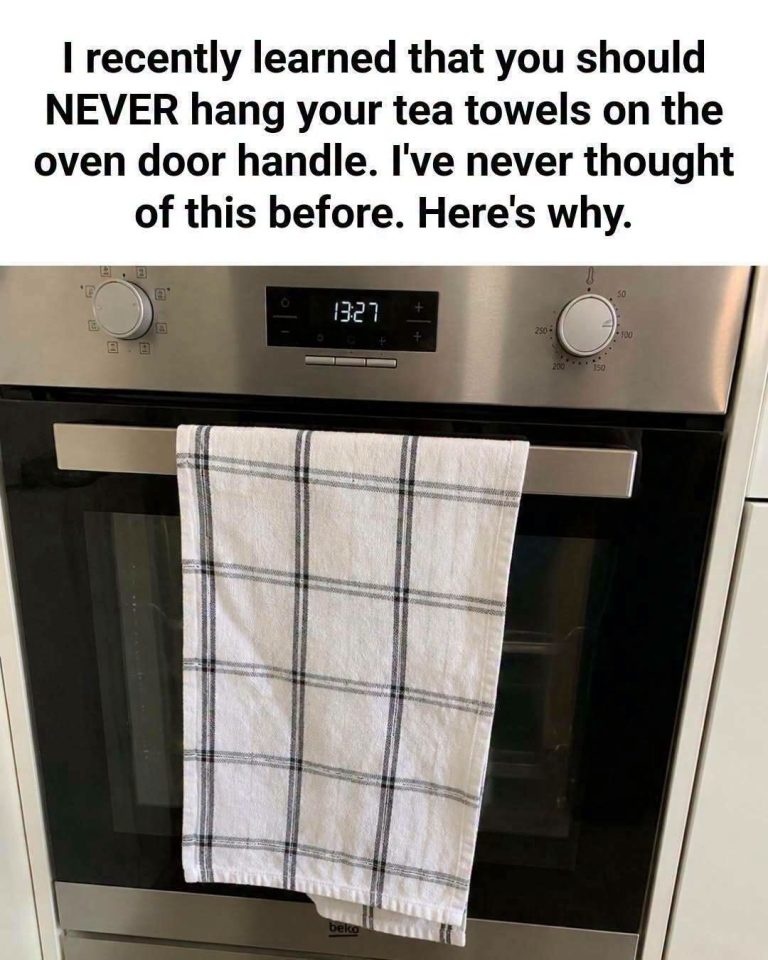
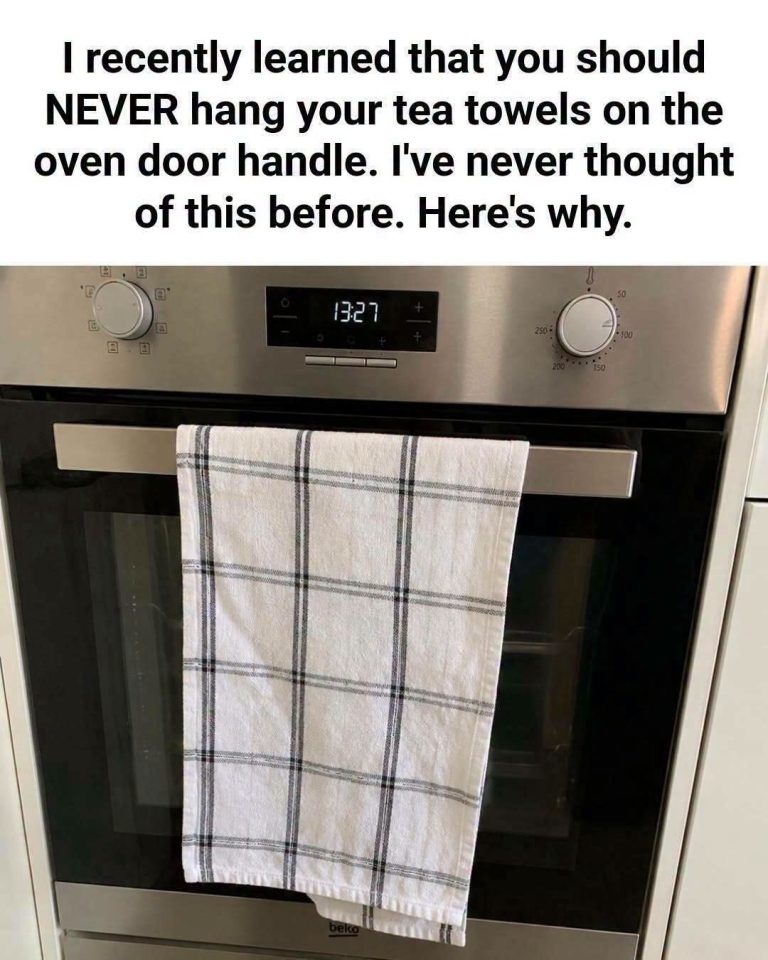
Hanging a crisp dish towel or tea towel over the oven door handle is one of the most common habits in kitchens around the world. It seems like the ultimate location of convenience—putting a towel right at arm’s reach while cooking, baking, or washing dishes.
However, home safety experts, kitchen designers, and food safety specialists frequently warn that the oven door handle is actually one of the worst places to store kitchen linens. From unexpected bacterial contamination to hidden fire hazards and appliance damage, hanging your tea towel on the oven door introduces several risks that most homeowners never consider.
The Hidden Hygiene Risks of the Oven Handle
While a hanging towel looks convenient, its position makes it a prime vehicle for cross-contamination during meal preparation.
                 ┌────────────────────────────────────────┐
                 │       KITCHEN TOWEL RISK FACTORS       │
                 └───────────────────┬────────────────────┘
                                     │
         ┌───────────────────────────┼───────────────────────────┐
         ▼                           ▼                           ▼
┌─────────────────┐         ┌─────────────────┐         ┌─────────────────┐
│ Bacterial Cross-│         │ Thermal & Fire  │         │ Appliance &     │
│ Contamination   │         │ Hazards         │         │ Finish Strain   │
│ • Raw meat      │         │ • Heat vent     │         │ • Handle stress │
│   transfer      │         │   blockage      │         │   & moisture    │
└─────────────────┘         └─────────────────┘         └─────────────────┘
1. The Cross-Contamination Hub
When cooking, people frequently wipe their hands on a hanging towel after touching raw meat, unwashed produce, or sticky utensils without thorough handwashing. Because the towel hangs at mid-torso height on a central appliance, family members constantly brush against it or use it to dry clean hands, effectively transferring bacteria like Salmonella or E. coli back onto freshly washed skin or clean dishes.
2. Contact with Floor Grime and Pet Hair
Depending on the height of your range or wall oven, the lower end of a dangling towel often hangs close to the ground. Opening the oven door fully causes the towel to sweep directly across the kitchen floor, picking up dust, floor cleaning chemicals, and pet dander.
Fire Hazards and Oven Performance Issues
Beyond food safety, hanging flammable fabrics on a heating appliance poses distinct operational and safety risks.
- Blocking Oven Heat Vents: Many modern ovens feature exhaust vents located along the top or bottom of the door handle to vent moisture and excess heat during baking or self-cleaning cycles. Covering these vents with a thick fabric towel traps heat, potentially causing internal temperature fluctuations or damaging electronic control boards.
- Ignition Risks on Gas and Electric Stoves: If a towel hangs near burner knobs or gas cooktops, loose ends can easily catch a flame or come into contact with red-hot electric elements when moving pots and pans.
- Trapping Moisture Against Appliance Finish: Damp towels draped against stainless steel, painted metal, or glass oven doors trap moisture against the appliance surface, accelerating water spots, streak marks, and subtle finish degradation over time.
Readers interested in home safety can also explore our comprehensive guide on essential kitchen fire safety precautions every home cook should know.
Smart Alternatives for Storing Kitchen Towels
Keeping your kitchen hygienic and safe does not mean sacrificing convenience. Modern kitchen organization offers several smart alternatives for drying hands and dishes:
                 ┌────────────────────────────────────────┐
                 │       SMART STORAGE ALTERNATIVES       │
                 └───────────────────┬────────────────────┘
                                     │
         ┌───────────────────────────┼───────────────────────────┐
         ▼                           ▼                           ▼
┌─────────────────┐         ┌─────────────────┐         ┌─────────────────┐
│ Dedicated Wall  │         │ Under-Cabinet   │         │ Color-Coded     │
│ Hooks           │         │ Pull-Out Racks  │         │ Towel System    │
│ • High airflow  │         │ • Out of sight, │         │ • Separate for  │
│   drying        │         │   quick access  │         │   hands & dishes│
└─────────────────┘         └─────────────────┘         └─────────────────┘
- Install Wall Hooks Near the Sink: Mount dedicated adhesive or wall-mounted hooks away from heating elements and raw food prep areas to allow proper airflow for drying.
- Utilize Under-Cabinet Towel Bars: Installing a discreet towel bar inside a cabinet door or underneath upper cabinetry keeps linens accessible without cluttering appliances.
- Implement a Dual-Towel System: Keep separate, color-coded towels for drying hands versus drying clean dishes, washing them frequently to maintain hygiene.
For more organization inspiration, check out our practical guide on maximizing space in small kitchen environments.
Key Takeaways
- Cross-Contamination: Oven handles encourage frequent touch, making towels a hotspot for transferring bacteria between raw food and clean hands.
- Fire & Heat Hazards: Towels can block essential oven exhaust vents or come into contact with hot cooktop burners.
- Appliance Protection: Damp linens pressed against oven doors trap moisture and degrade stainless steel finishes over time.
- Better Solutions: Wall-mounted hooks and dedicated cabinet bars offer safer, more hygienic alternatives.
Frequently Asked Questions
Why is hanging a towel on the oven door considered unsanitary?
It promotes cross-contamination. Cooks often wipe hands on the towel while handling raw ingredients, spreading bacteria to anyone who subsequently uses the towel to dry clean hands or dishes.
Can hanging a towel on the oven door cause a fire?
Yes. If the towel dangles near burners or cooktop heating elements—or if it blocks high-temperature exhaust vents during baking—it presents a real fire hazard.
How often should kitchen tea towels be replaced or washed?
Kitchen towels used daily should be changed every 1 to 2 days, or immediately after preparing meals involving raw meat, poultry, or seafood.
What is the best place to dry dish towels in the kitchen?
Dedicated wall hooks or a freestanding drying rack positioned away from cooking burners and food prep surfaces provide optimal airflow while preventing cross-contamination.
Does trapping moisture with a damp towel ruin oven doors?
Yes. Leaving wet towels pressed against metal or painted oven doors can trap moisture, causing water spots, finish discoloration, and potential rust over extended periods.