
Understanding Foot Symptoms: Peripheral Health, Warning Signs, and When to Seek Medical Care
Introduction
Your feet carry you through every step of your daily life, and they often act as an early warning system for your overall health. Because the feet contain complex networks of nerves, blood vessels, and tiny bones, unusual physical sensations can reveal a lot about your systemic well-being. From burning discomfort and tingling sensations to numbness, ignoring recurring foot symptoms can mean missing critical clues about your underlying physical health.
Navigating lower-limb health requires careful attention, medical education, and proactive self-care. In this comprehensive guide, we will explore common foot symptoms like burning, tingling, and numbness, their potential physiological causes, and how managing your health intersects with your personal finance, insurance coverage, and legal readiness.
Interpreting Common Foot Sensations
When your feet send unusual signals, understanding the medical context can help you determine the appropriate steps to take.
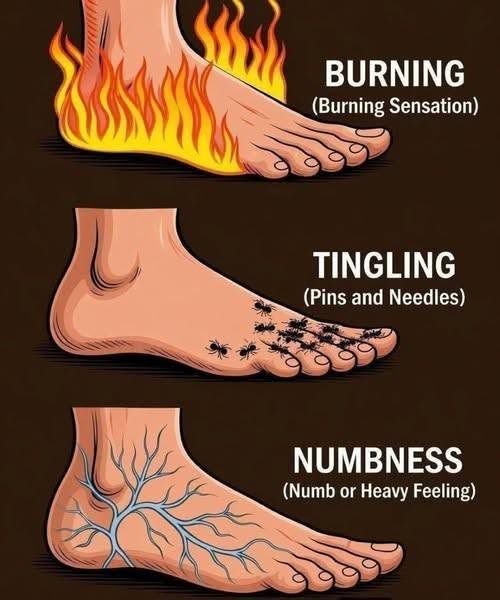
- Burning Sensations: A hot, burning feeling in the soles or toes is frequently linked to nerve irritation, circulation issues, or metabolic strain.
- Tingling and “Pins and Needles”: Prickling sensations often indicate temporary nerve compression or restricted blood flow to the lower extremities.
- Numbness or Heavy Feelings: A lack of sensation or a heavy feeling in the feet can point to impaired nerve signaling or vascular efficiency.
Potential Causes and Risk Factors
Various medical conditions and lifestyle factors can influence the health of the nerves and blood vessels in your feet.
- Circulatory Factors: Poor blood flow can deprive lower tissues of essential oxygen and nutrients, leading to unusual physical sensations.
- Nerve Health and Pressure: Prolonged pressure, repetitive strain, or systemic health imbalances can impact peripheral nerve pathways.
- Lifestyle and Footwear: Wearing unsupportive shoes or standing for extended periods can exacerbate foot fatigue and discomfort.
Balancing Health, Financial Planning, and Legal Preparedness
Addressing persistent health concerns involves more than just physical remedies; it requires careful financial and legal coordination. Managing diagnostic consultations, specialist visits, and specialized footwear or therapies can impact household budgets, making robust health insurance coverage and emergency savings essential.
Furthermore, preparing for unexpected medical eventualities highlights the importance of estate planning, medical powers of attorney, and reviewing disability insurance. Consulting with qualified legal services, tax professionals, or an attorney ensures that your healthcare wishes and financial assets are fully protected.
Practical Tips for Maintaining Foot Health
Proactive daily habits can significantly support your lower-limb circulation, nerve health, and overall comfort.
Healthy Lifestyle Habits
- Choose Supportive Footwear: Wear shoes with adequate arch support and cushioning to minimize foot strain during long periods of standing or walking.
- Incorporate Gentle Stretches: Perform daily foot and ankle stretches to encourage healthy blood flow and relieve tension.
- Stay Hydrated: Drink plenty of water throughout the day to support overall vascular health and cellular hydration.
- Inspect Your Feet Regularly: Check your feet daily for any changes in skin texture, temperature, color, or unusual sensations.
Interesting Facts About Foot Anatomy
- Complex Structure: Each human foot contains twenty-six bones, thirty-three joints, and over a hundred muscles, tendons, and ligaments.
- Nerve Density: The feet have one of the highest concentrations of nerve endings per square inch anywhere in the human body, making them extremely sensitive to changes in pressure and temperature.
- Daily Impact: With every step you take, your feet absorb forces equal to multiple times your body weight, emphasizing the importance of proper support.
When to Consult a Medical Professional
If you experience persistent burning, tingling, numbness, or chronic pain in your feet, it is crucial to schedule an appointment with a podiatrist, neurologist, or primary care physician. Early evaluation can identify the root cause of your symptoms and ensure appropriate medical care.
Conclusion
Listening to the signals your body gives you—especially unusual sensations in your feet—can protect your long-term health and mobility. By prioritizing regular check-ups, maintaining supportive footwear, and staying mindful of persistent physical symptoms, you take control of your well-being. Combine these healthy lifestyle practices with solid financial planning, reliable insurance policies, and proper legal preparation to secure a healthy, resilient future.
Frequently Asked Questions (FAQ)
What causes a burning sensation in the feet?
A burning feeling in the feet can be caused by nerve irritation, poor circulation, or systemic metabolic imbalances that affect peripheral nerve pathways.
Why do my feet experience a “pins and needles” tingling feeling?
Tingling typically occurs when nerve signaling is temporarily disrupted, often due to pressure on a nerve or restricted blood flow to the area.
When should I see a doctor for foot numbness?
You should consult a medical professional if numbness is persistent, happens frequently, or is accompanied by weakness, pain, or difficulty walking.
Can proper footwear help prevent foot discomfort?
Yes, wearing shoes with good arch support, proper cushioning, and a comfortable fit reduces pressure on the feet and supports healthy daily mobility.