
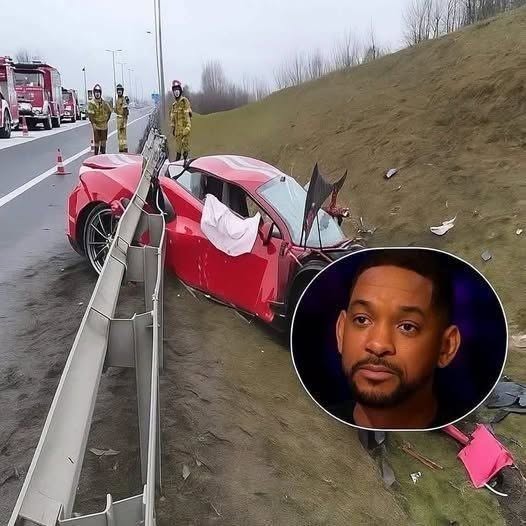
The Truth Behind Accident Headlines
High-profile actors like Will Smith are frequently targeted by clickbait farms that use recycling techniques to generate traffic.
From a digital media and marketing perspective:
The Clickbait Formula: Headlines that tease an urgent, tragic event (“20 minutes ago in Los Angeles…”) without completing the sentence are engineered to create a “curiosity gap,” forcing users to click through to external, ad-heavy websites.
Recycled Stock Imagery: The crash photo shown in these viral graphics is typically pulled from unrelated international traffic accidents or stock imagery, completely unconnected to any celebrity.
Common Tropes in Viral Celebrity Posts
Manufacturing Artificial Urgency: Using fake breaking news formats to trick users into believing a major tragedy has just occurred.
Exploiting Fame: Leveraging the name recognition of global superstars to maximize shares, comments, and engagement.
Interesting Facts About Celebrity Rumors Online
The Speed of Misinformation: False reports regarding celebrity accidents or deaths are among the most common types of hoaxes on social media platforms.
The Business of Clickbait: Content farms often use shocking fake news to drive traffic to ad-riddled websites that have no relation to the celebrity.
Expert Recommendations for Media Literacy
Media literacy experts recommend clear strategies when encountering sensationalist breaking news:
Check Verified Outlets: Always look to established, verified news networks rather than unverified social media graphic pages when checking emergency or celebrity news.
Recognize Engagement Bait: Understand that dramatic hooks asking you to “see more” about a sudden accident are almost always fabricated clickbait.
If you want to explore more reliable media guides, check out our related guides on [How to Spot Misleading Celebrity Hoaxes Online] and [Understanding the Business of Content Farms].
Conclusion: Look Beyond the Clickbait!
While viral graphics make for alarming internet drama, breaking news about celebrity accidents found on random social media pages is consistently fake clickbait!
Frequently Asked Questions (FAQ)
What does the viral celebrity graphic claim? It uses a fake breaking news hook claiming Will Smith was involved in a car crash in Los Angeles 20 minutes prior.
Is this celebrity accident story true? No, it is a completely fabricated clickbait hoax designed to drive web traffic.
Where did the photo of the crashed car come from? The image is typically an unrelated stock photo or a screenshot from an entirely different traffic accident.
Why do viral posts use urgent timeframes like “20 minutes ago”? It is a classic psychological trick to manufacture fake urgency and panic, encouraging users to click links immediately.
Are celebrity death and accident hoaxes common online? Yes, malicious content farms frequently target famous actors and musicians with fake emergency stories.
Why do sensationalist posts spread so quickly? Shock and concern for celebrities prompt users to share posts instantly without verifying them first.
How can I spot fake breaking news online? Look for missing journalistic sources, sensational hooks, vague updates, and links forcing you to visit ad-heavy sites.
Where can I find reliable celebrity news? Trusted resources include verified trade publications like Variety or The Hollywood Reporter and major mainstream news networks.
Why do people post misleading celebrity graphics? They are engineered to generate web traffic, ad revenue, and social media algorithmic visibility through high interaction rates.
Where can I share my thoughts on viral internet trends? Drop your comments below and tag a friend to discuss how to spot misleading clickbait graphics online!