The Evolution of Infant Care: Cloth Diapers, Modern Conveniences, and Family Wellness
While disposable products offer undeniable convenience, many modern families choose to incorporate eco-friendly practices or reusable items inspired by traditional routines.
Eco-Friendly Household Habits
Reduce Single-Use Waste: Incorporate washable cloths, reusable storage bags, and durable household goods to minimize daily environmental impact.
Energy-Efficient Laundering: Utilize cold-water washing and energy-efficient drying methods to lower utility bills and reduce household energy consumption.
Prioritize Skin Health: Whether using cloth or disposables, ensure infants have frequent changes and breathable materials to prevent diaper rash and skin irritation.
Interesting Facts About Diaper History
The Invention of Disposables: Disposable diapers were introduced to the mass market in the early 1960s, revolutionizing parenting routines and saving countless hours of household labor.
Ancient Alternatives: Throughout history, various cultures utilized soft moss, animal skins, plant leaves, and absorbent grasses as early forms of infant hygiene.
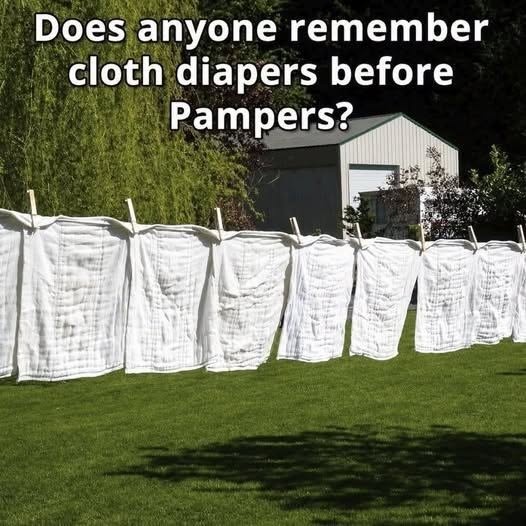
Cotton Durability: Traditional cotton cloth diapers were designed to withstand hundreds of wash cycles, often being passed down through generations or repurposed as household cleaning rags.