The Allure of Rare Baby Names: Why Unique Monikers Are Becoming the Ultimate Modern Trend
Naming a child is one of the most significant decisions expectant parents face, and the motivations behind choosing a specific name have evolved dramatically over the generations. For decades, traditional family names, classic biblical choices, and stable top-tier names dominated birth registries. Today, however, a powerful cultural shift is underway, with modern parents increasingly searching for rare, distinctive, and unconventional monikers that help their children stand out.
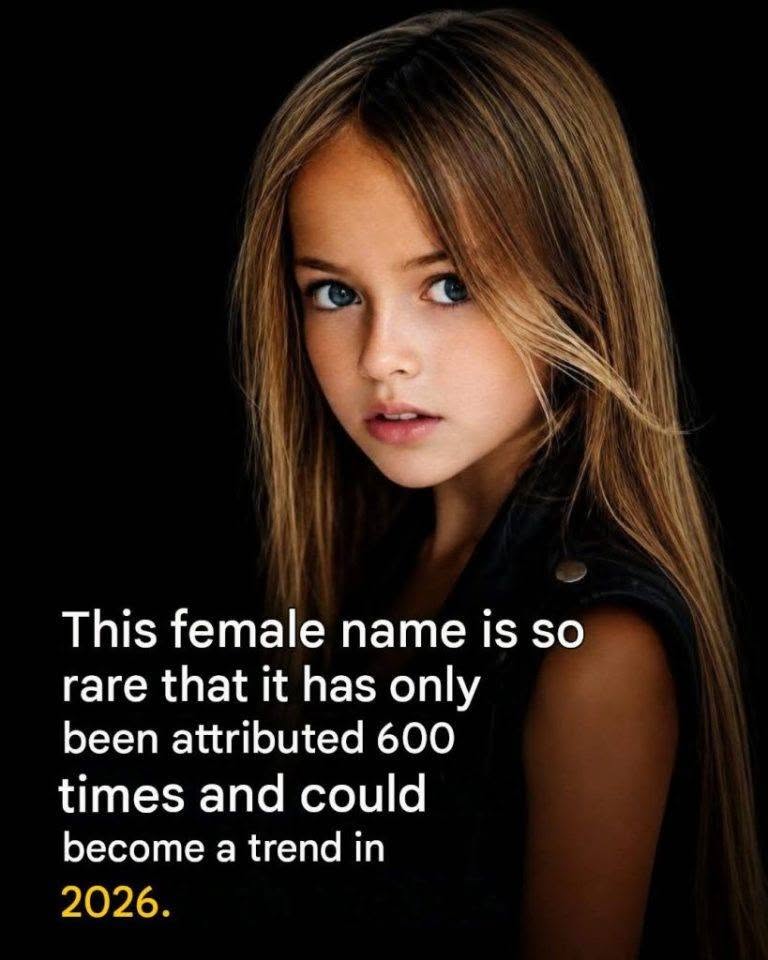
Across social media feeds, curiosity-driven posts frequently highlight exceptionally rare female names—some attributed to only a few hundred individuals globally—projecting them to become major naming trends. Examining this phenomenon reveals deep insights into modern psychology, linguistics, parental aspirations, and the ways cultural trends spread in the digital era.
The Psychology Behind the Rise of Rare Baby Names
To understand why rare names captivate public interest, it helps to examine the shifting values surrounding identity and individuality in contemporary society.
1. The Desire for Distinction
In a hyper-connected world where global communication allows people to interact instantly across continents, parents often feel a strong desire to give their children an identity that feels singular and unique. A rare name serves as a form of personal branding from birth, setting an individual apart in classrooms, universities, and professional environments.
2. The Influence of Cultural and Aesthetic Cues
Modern naming trends are heavily influenced by literature, art, mythology, nature, and geography. Names derived from rare botanical terms, celestial bodies, historical figures, or distinctive phonetic combinations offer a sense of artistic flair and sophistication that appeals to modern aesthetics.
                 ┌────────────────────────────────────────┐
                 │     DRIVERS OF MODERN BABY NAMING      │
                 └───────────────────┬────────────────────┘
                                     │
         ┌───────────────────────────┼───────────────────────────┐
         ▼                           ▼                           ▼
┌─────────────────┐         ┌─────────────────┐         ┌─────────────────┐
│ Individuality   │         │ Phonetic Appeal │         │ Cultural & Art  │
│ & Distinction   │         │ • Melodic sounds│         │ Inspirations    │
│ • Standing out  │         │ • Easy global   │         │ • Nature, myths,│
│   in crowds     │         │   pronunciation │         │   and history   │
└─────────────────┘         └─────────────────┘         └─────────────────┘
How Naming Trends Spread in the Digital Age
In previous eras, baby name popularity was dictated by slow-moving cultural shifts, television shows, and regional communities. Today, the internet and social media have completely accelerated how naming trends emerge and multiply.
- Viral Curiosity Hooks: Posts highlighting an “exceptionally rare name attributed to only 600 people” tap directly into human curiosity. They create an immediate information gap that drives massive online engagement, shares, and commentary.
- Data-Driven Discovery: Parents now use online registries, government databases, and specialized naming applications to search for hidden gems—names that are legally registered but statistically uncommon.
- The “Old Becomes New” Cycle: Just as vintage fashion returns in cycles, historical names that fell out of favor decades ago are frequently rediscovered by younger generations looking for retro charm.
Readers interested in cultural trends and digital media behavior may also want to explore our comprehensive guide on how social media algorithms amplify viral phenomena.
The Balancing Act: Uniqueness Versus Practicality
While choosing an ultra-rare name offers a distinct sense of individuality, linguists and sociologists point out that parents must weigh uniqueness against practical everyday considerations.
Key Insight: A truly successful baby name balances distinctiveness with usability. Names that are overly complex to spell or pronounce can occasionally create unnecessary friction in a child’s day-to-day interactions.
When evaluating rare names, prospective parents often consider several practical factors:
- Pronunciation Clarity: Can people easily pronounce the name upon reading it for the first time?
- Spelling Intuition: Does the spelling invite endless corrections, or is it straightforward?
- Professional Longevity: Does the name age gracefully from childhood through a professional career?
Exploring Alternative Naming Categories
For parents drawn to uncommon monikers, several distinct categories offer inspiration without sacrificing practicality:
- Botanical and Nature Names: Names inspired by rare flowers, trees, minerals, and weather elements provide an earthy, organic elegance.
- Global and Mythological Names: Drawing from international heritage or ancient folklore uncovers melodic names that carry rich historical narratives.
- Shorthand and Minimalist Names: Short, punchy names with strong vowel sounds are gaining popularity for their modern, sleek appeal.
Those looking into family planning and parenting milestones can also benefit from exploring our guide on preparing for your baby’s arrival with confidence.
Conclusion
The fascination with ultra-rare female names highlights a broader cultural movement toward celebrating uniqueness, personal identity, and creative expression. Whether a rare moniker surges into a massive mainstream trend or remains a well-kept secret among a select few, the search for the perfect name reflects every parent’s desire to give their child a special start in life.
Key Takeaways
- The Shift Toward Uniqueness: Modern parents increasingly favor rare, distinctive names over traditional top-chart classics.
- Digital Amplification: Social media and online registries allow rare naming statistics to spread rapidly as viral trends.
- Practical Balance: While rarity is appealing, ease of pronunciation and professional longevity remain crucial considerations.
- Diverse Inspirations: Nature, mythology, and vintage revivals serve as primary reservoirs for unique modern names.
Frequently Asked Questions
Why are rare baby names becoming so popular?
Modern parents increasingly value individuality and personal expression, leading them to seek out uncommon names that help their children stand out in a globalized world.
How do rare naming trends spread across social media?
Viral posts highlighting statistical rarities—such as names attributed to only a few hundred people—create curiosity gaps that drive massive sharing, discussion, and online engagement.
What should parents consider before choosing an ultra-rare name?
Parents should consider ease of pronunciation, spelling intuition, how well the name ages into adulthood, and potential misinterpretation in professional environments.
Where can parents look to find unique baby names?
Inspiration can be found in historical government archives, botanical directories, international naming traditions, mythological texts, and specialized baby name databases.
Do rare names eventually become mainstream trends?
Yes. Many names that start as ultra-rare choices gain momentum through media exposure and celebrity influence, eventually climbing into popular registry brackets over time.