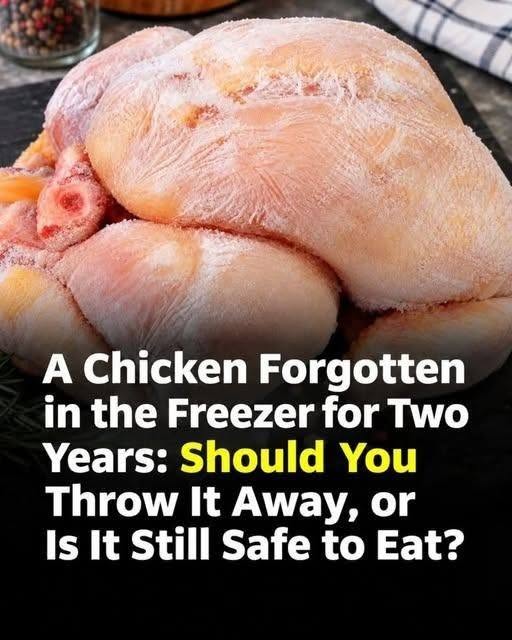
Chicken Frozen for Two Years: Is It Still Safe to Cook and Eat?
Discovering a forgotten package of raw chicken buried at the bottom of a deep freezer brings an immediate dilemma: toss it in the trash or thaw it for dinner. When a label shows a date from two years ago, throwing it away feels like the safest choice—yet federal food safety guidelines tell a very different story.
According to the U.S. Department of Agriculture (USDA), food kept continuously frozen at 0°F or below remains safe to eat indefinitely. Freezing does not kill bacteria, yeasts, or molds, nor does it act as a magic reset button, but sustained sub-zero temperatures stop harmful microorganisms from multiplying.
Still, “safe to eat” and “pleasant to eat” are two very different standards. Understanding how two years in the freezer affects poultry—and knowing the specific warning signs that actually require throwing meat away—can help you avoid both unnecessary food waste and an unappetizing meal.
Why Two-Year-Old Frozen Chicken Is Still Safe
Food safety experts draw a strict line between bacterial safety and culinary quality. Harmful pathogens like Salmonella and Campylobacter require warmth and moisture to grow and produce toxins.
When raw chicken is stored consistently at 0°F (-18°C) or lower, water molecules lock into ice crystals and microbial activity enters a completely dormant state. Because bacteria cannot multiply at this temperature, the meat will not spoil from bacterial growth even after 24 months.
Even if the “Use By” or “Sell By” date printed on the supermarket wrapper passed years ago, those dates apply to refrigerated storage. Once chicken is frozen before its expiration date, the clock on bacterial spoilage essentially pauses.
The Critical Catch: What Happens to Quality Over Time
Pages: 1 2