Chicken Frozen for Two Years: Is It Still Safe to Cook and Eat?
While two-year-old chicken will not make you sick if it stayed solidly frozen, it will almost certainly lose flavor, moisture, and tenderness. The USDA recommends specific freezer timeframes purely to preserve peak eating quality, not to prevent food poisoning.
For the best taste and texture, the USDA advises using frozen poultry within these windows:
- Whole raw chicken: Up to 12 months
- Chicken parts (breasts, thighs, wings): Up to 9 months
- Ground chicken or giblets: 3 to 4 months
- Cooked chicken: Up to 4 months
Once chicken passes the one-year mark, slow chemical reactions and moisture loss begin to change the structure of the meat. Even in a sealed freezer, ice gradually evaporates from the surface of the food in a process called sublimation.
How to Tell If Freezer Burn Has Ruined the Meat
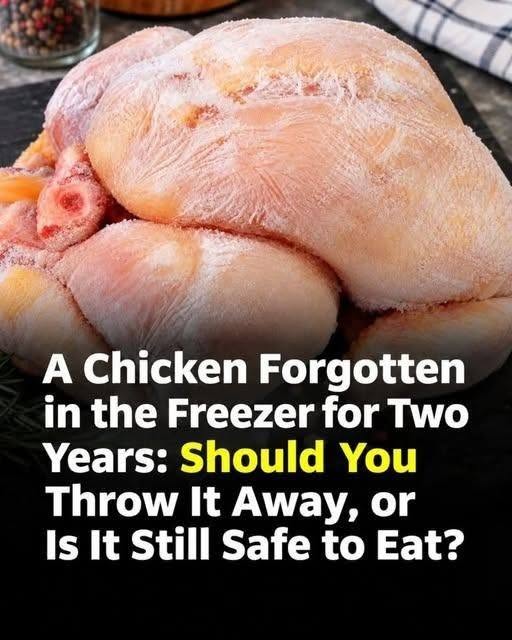
If you pull a two-year-old chicken out of the freezer and notice grayish-brown leathery patches or thick layers of frost directly on the skin, you are looking at freezer burn.
Freezer burn happens when air reaches the surface of frozen food, drawing out moisture and oxidizing the exposed fats and proteins. It is a quality issue rather than a safety hazard, meaning freezer-burned chicken is still safe to cook and eat.
However, severely freezer-burned meat becomes dry, tough, and woody once cooked. Before deciding whether to cook your chicken, inspect how much of the meat is affected:
- Light surface frost or small dry spots: You can easily trim away the discolored edges after thawing and cook the rest normally.
- Extensive leathery patches across most of the bird: The meat will likely taste stale and chewy, making it a poor candidate for roasting or grilling.
Packaging plays a major role here. Chicken left in thin, permeable grocery store plastic wrap over a foam tray usually develops heavy freezer burn within a few months. Poultry sealed in airtight vacuum bags or wrapped tightly in heavy-duty foil and freezer bags holds up far better over two years.
When You Must Throw Frozen Chicken Away
Although continuous freezing keeps chicken safe indefinitely, real-world kitchens rarely operate under laboratory conditions. There are specific scenarios where a two-year-old chicken should go straight into the garbage without hesitation.
1. Your Freezer Lost Power or Warmed Up
If your home experienced an extended power outage, a breaker tripped, or the freezer door was left slightly ajar at any point over the past two years, the chicken may have partially thawed and refrozen.
When frozen chicken rises above 40°F, dormant bacteria wake up and begin multiplying rapidly. Refreezing the meat later puts those bacteria back to sleep, but it does not eliminate the larger bacterial load or any heat-resistant toxins they may have produced. Large blocks of solid ice pooling at the bottom of the bag or deformed packaging are common clues that meat thawed and refroze.
2. The Chicken Was Already Close to Spoiling Before Freezing
Freezing preserves the condition the chicken was in at the exact moment it went into the freezer. If raw poultry sat in the refrigerator for five or six days until it was slimy or sour, and was then tossed into the freezer to “save” it, thawing it two years later will leave you with spoiled meat.
3. It Smells Off After Thawing
Your nose is one of your most reliable tools once the chicken is defrosted. Freshly thawed chicken should have very little odor. If you detect a sour, ammonia-like, or sulfur smell once the meat reaches refrigerator temperature, discard it immediately. Do not try to mask a bad smell with heavy spices, marinades, or sauces.
Safe Ways to Thaw Two-Year-Old Chicken
Because dormant bacteria become active again as soon as meat warms up, how you thaw a two-year-old bird matters just as much as how it was stored. Never leave frozen chicken on the kitchen counter or in a sink of warm water, as the outer layers will enter the bacterial “danger zone” (40°F to 140°F) long before the center defrosts.
Use one of these three USDA-approved thawing methods instead:
- Refrigerator Thawing: Place the wrapped chicken on a rimmed baking sheet or plate on the bottom shelf of your refrigerator (set at 40°F or below) to catch any dripping juices. A 3- to 4-pound whole chicken takes about 24 hours to thaw, while boneless breasts thaw overnight. Once thawed in the fridge, raw chicken remains safe to cook for another one to two days.
- Cold-Water Thawing: Keep the chicken in a leak-proof plastic bag and submerge it completely in a bowl or clean sink of cold tap water. Change the water every 30 minutes to keep it cold. A 1-pound package of breasts takes about an hour, while a whole bird takes two to three hours. Cook immediately after thawing.
- Cooking Directly From Frozen: You can skip thawing altogether and cook frozen chicken in the oven or on the stovetop, though you will need to increase your normal cooking time by about 50 percent. Never put frozen chicken directly into a slow cooker, as it stays in the bacterial danger zone too long while heating up.
Readers interested in kitchen storage habits may also want to explore how to organize a deep freezer to prevent food waste and track expiration dates before items get buried.
Best Ways to Cook Older Frozen Chicken
If your two-year-old chicken passed the safety checks and looks reasonably good after thawing, skip dry-heat cooking methods like pan-searing, air-frying, or high-heat roasting. Because prolonged freezing inevitably dries out muscle fibers, dry heat will accentuate any toughness.
Instead, choose moist-heat recipes that restore tenderness and add bold flavor:
- Shredded chicken soup or chili: Simmering whole chicken or bone-in parts in broth gently hydrates the fibers while extracting rich collagen from the bones.
- Slow-cooked stews or curries: Braising thawed chicken in tomato sauce, coconut milk, or spiced stock masks subtle freezer staleness and yields tender meat.
- Pot pies or casseroles: Shredding poached chicken into a creamy sauce keeps every bite moist.
Regardless of the recipe you choose, always verify doneness with a digital food thermometer. Every part of the chicken—including the thickest section of the breast and the innermost part of the thigh—must reach a safe minimum internal temperature of 165°F (74°C) to destroy any bacteria present.
For more meal preparation tips, you can also check out our guide on safe internal cooking temperatures for poultry and meat so every dish turns out both safe and tender.
Key Takeaways for Forgotten Freezer Meat
Finding two-year-old chicken in your freezer does not mean you automatically wasted money. As long as your freezer stayed consistently at 0°F and the meat was fresh when frozen, it remains safe to eat.
Check the packaging for signs of thawing and refreezing, thaw the bird safely in the refrigerator, trim away any dry freezer-burned edges, and cook it in a broth-based dish to 165°F. A little smart kitchen inspection turns a forgotten freezer find into a safe, budget-friendly meal.
If you are looking for more ways to cut grocery bills, consider learning how vacuum sealing extends the freezer life of bulk meat purchases.
Frequently Asked Questions
Can you get food poisoning from chicken frozen for two years?
No, not if the chicken was fresh when frozen and remained continuously at 0°F or below. Sub-zero temperatures keep bacteria completely dormant. Food poisoning only becomes a risk if the freezer lost power, the chicken partially thawed at some point, or it is undercooked below 165°F.
Does cooking kill bacteria on old frozen chicken?
Yes. Cooking thawed chicken to an internal temperature of 165°F kills active bacteria such as Salmonella. However, if chicken spoiled before it was frozen or thawed in a warm environment for too long, some bacteria produce heat-resistant toxins that cooking cannot destroy—which is why spoiled-smelling meat must always be thrown away.
Should I wash two-year-old frozen chicken before cooking it?
No. The USDA advises against washing or rinsing raw poultry because splashing water spreads bacteria across your sink, countertops, and nearby utensils. Pat the thawed chicken dry with disposable paper towels if needed, and rely on cooking to 165°F to eliminate pathogens.
Is freezer-burned chicken safe to eat?
Yes, freezer burn is strictly a quality issue caused by surface dehydration and oxidation, not bacterial contamination. It will not make you sick, though heavily freezer-burned areas taste dry and leathery. Simply trim off the discolored spots before or after cooking.
Can I refreeze chicken after thawing it?
If you thawed the chicken safely in the refrigerator and kept it at 40°F or below, you can technically refreeze it within one to two days, though the texture will suffer further moisture loss. If you thawed the chicken in cold water or a microwave, you must cook it completely before refreezing it.
Pages: 1 2