
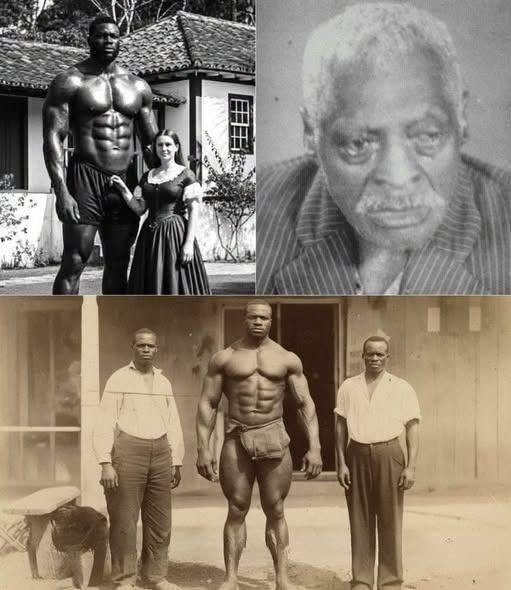
The Legend of Pata Seca: History, Folklore, and the Realities of 19th-Century Brazil
Across social media platforms, stories of larger-than-life historical figures frequently capture the public imagination. Among these viral tales, few have generated as much online debate as the story of “Pata Seca” (Roque José Florêncio), an enslaved man in 19th-century Brazil whose legendary physique, stature, and offspring have become the subject of popular folklore.
Accompanied by striking imagery and dramatic claims, posts about Pata Seca often spark curiosity about the intersections of oral history, historical records, and modern digital storytelling. Examining the background of this story provides fascinating insights into Brazilian history, the dynamics of 19th-century plantation life, and how historical figures transition into modern cultural legends.
Who Was Roque José Florêncio (Pata Seca)?
Historical records and oral traditions from São Paulo state in Brazil identify Roque José Florêncio, widely known by his nickname “Pata Seca,” as an enslaved man born in the early to mid-19th century. He lived in the municipality of Santa Cruz da Conceição and later in Santa Gertrudes, working on coffee plantations during Brazil’s imperial era.
                 ┌────────────────────────────────────────┐
                 │     HISTORICAL vs. FOLKLORE ELEMENTS   │
                 └───────────────────┬────────────────────┘
                                     │
         ┌───────────────────────────┼───────────────────────────┐
         ▼                           ▼                           ▼
┌─────────────────┐         ┌─────────────────┐         ┌─────────────────┐
│ Documented      │         │ Physical        │         │ Generational    │
│ History         │         │ Legend          │         │ Impact          │
│ • Enslaved in   │         │ • Exceptional   │         │ • Large local   │
│   São Paulo     │         │   height        │         │   descendant    │
│ • Lived into    │         │ • Remarkable    │         │   community     │
│   old age       │         │   strength      │         │                 │
└─────────────────┘         └─────────────────┘         └─────────────────┘
According to regional accounts, Florêncio was notable for his imposing height and physical stature, standing well above the average height of the era. Following the abolition of slavery in Brazil in 1888 (via the Lei Áurea or Golden Law), Florêncio acquired a small plot of land where he raised a large family, leaving behind a vast network of descendants that remains prominent in the region today.
Separating Historical Context from Digital Lore
As stories circulate across social media, historical accounts often blend with sensationalized narratives and digital imagery. Understanding the broader historical landscape helps contextualize why such figures capture enduring interest.
1. The Realities of 19th-Century Brazilian Agriculture
During the 19th century, Brazil was the world’s primary producer of coffee, relying heavily on enslaved labor across large estates (fazendas). Historical documentation confirms that physically strong individuals were often assigned demanding roles in transportation, animal care, and heavy plantation labor.
2. Oral Tradition and Local Memory
Much of what is known about figures like Pata Seca stems from local oral traditions preserved by family members and regional historians. In many rural communities, oral storytelling serves as a vital repository of cultural identity, preserving memories of individuals who overcame extreme adversity during the era of slavery.
Readers interested in Latin American history and historical preservation may also want to explore our comprehensive overview of 19th-century social movements and post-abolition communities.
Why Historical Figures Go Viral in the Digital Era
The enduring popularity of historical narratives like that of Pata Seca highlights how modern audiences engage with heritage, identity, and storytelling.
- Visual Intrigue: Striking visual representations—whether historic photos or artistic reinterpretations—draw immediate attention in fast-moving social feeds.
- Themes of Resilience: Stories of individuals surviving harsh historical periods and establishing long-lasting family legacies resonate deeply across cultures.
- Cultural Reconnection: Exploring regional folklore allows communities to reconnect with overlooked historical figures and preserve ancestral memories.
Those interested in digital media trends can also learn more about how viral storytelling shapes modern perceptions of historical events.
Lessons from Preserving Community History
The story of Roque José Florêncio underscores the importance of rigorous historical documentation alongside community memory. By examining birth records, land deeds, and oral histories, historians continue to piece together the nuanced realities of post-abolition life in South America.
Whether viewed as a figure of historical record or a symbol of strength in regional folklore, Pata Seca remains a central point of cultural pride for his descendants and regional historians alike.
Key Takeaways
- Historical Roots: Roque José Florêncio was an enslaved man in 19th-century Brazil who lived through the abolition era and left a large regional legacy.
- Physical Reputation: Local accounts remember him for his exceptional height, strength, and large family.
- Oral Preservation: Much of his story has been passed down through generations of descendants and local historians in São Paulo state.
- Digital Virality: Modern social media posts often blend historical facts with dramatic visuals and folklore to engage online audiences.
Frequently Asked Questions
Who was Pata Seca in Brazilian history?
Pata Seca (Roque José Florêncio) was an enslaved Brazilian man who lived in São Paulo state during the 19th century and became well known in local history for his height, strength, and large family legacy.
Did Pata Seca leave behind a large number of descendants?
Yes. Regional records and family accounts indicate that Roque José Florêncio raised a large family after gaining his freedom, and his descendants continue to live in the interior of São Paulo state today.
When was slavery abolished in Brazil?
Slavery was formally abolished in Brazil on May 13, 1888, with the signing of the Lei Áurea (Golden Law), making Brazil the last nation in the Western Hemisphere to abolish slavery.
Why do images of historical figures like Pata Seca circulate heavily online?
Stories featuring exceptional physical attributes or dramatic historical circumstances generate high curiosity, leading social media users to share photos, artistic depictions, and regional tales across digital platforms.
How do historians verify stories from the era of Brazilian slavery?
Historians cross-reference oral accounts with surviving parish registers, plantation records, emancipation certificates, land deeds, and local newspaper archives to reconstruct accurate historical biographies.