
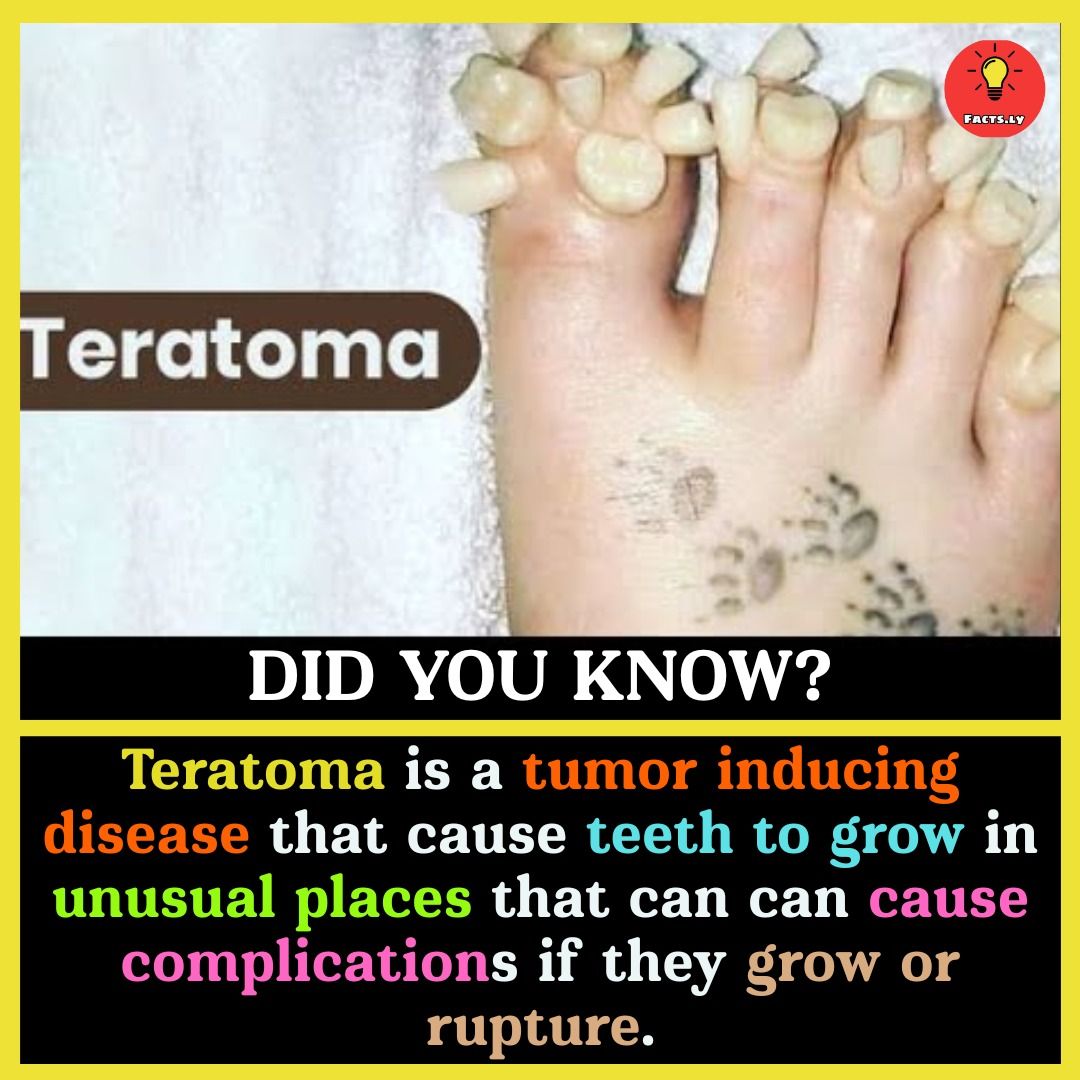
The Truth About Teratomas
Social media platforms are frequently saturated with shocking medical graphics, unusual health trivia, and viral science claims designed to capture your immediate attention. Among the most striking posts circulating online are images and descriptions of teratomas—rare tumors that can sometimes contain complex tissues like hair, teeth, or bone. For individuals browsing medical trivia, these viral posts offer a startling glimpse into rare biological phenomena. Evaluating these claims requires a careful balance between medical reality and internet sensationalism.
Understanding complex medical conditions like teratomas involves exploring pathology, embryology, and clinical oncology without relying on sensationalized social media summaries. As medical professionals and oncologists emphasize, while teratomas are genuine and fascinating medical entities, they require specialized surgical diagnosis and professional treatment rather than casual online interpretation. By exploring the facts behind germ cell tumors, practical health awareness, and common misconceptions, you can approach medical science with clarity and confidence.
The Medical Reality of Teratomas
To understand what teratomas are, it helps to examine how these rare tumors form and develop within the human body.
Definition and Origin: A teratoma is a type of germ cell tumor that can contain tissues derived from multiple germ layers, which may include hair, muscle, bone, and teeth.
Pluripotent Cells: These tumors originate from pluripotent cells—cells capable of differentiating into various tissue types—which explains why they can develop unexpected, complex structures.
Clinical Management: Teratomas can occur in various locations, such as the ovaries, testicles, or tailbone, and typically require professional surgical evaluation and removal.
Practical Tips for Health Awareness and Medical Literacy
Navigating health information online involves developing a critical eye and relying on verified medical resources.
Consult Healthcare Professionals: Always seek guidance from qualified physicians, specialists, or oncologists if you have medical questions or encounter unusual health symptoms.
Verify Scientific Sources: Cross-reference sensationalized online medical claims with peer-reviewed medical journals, hospital publications, and accredited health foundations.
Maintain Regular Checkups: Schedule routine physical exams and recommended screenings with your primary care physician to monitor your overall health proactively.
Avoid Self-Diagnosis: Refrain from interpreting complex medical conditions based on viral social media graphics or unverified internet posts.
Interesting Facts About Human Biology and Pathology
Complex Differentiation: Teratomas are famous in medical pathology for their ability to form fully formed biological structures, including teeth, hair, and neural tissue, far from their normal anatomical sites.
Viral Appeal: Shocking medical trivia and unusual biological anomalies spread rapidly across social media because they evoke intense curiosity and surprise.
Historical Documentation: Rare medical tumors have been documented in scientific literature for centuries, providing valuable insights into human embryology and cellular development.
Oncological Research: Ongoing medical research continues to study germ cell tumors to better understand cellular differentiation and improve targeted treatments.
Common Misconceptions About Rare Medical Conditions
Navigating online health content requires distinguishing between clinical facts and exaggerated internet myths.
| Myth | Reality | Recommended Alternative |
| “Teratomas Are Common Everyday Occurrences” | Teratomas are rare medical tumors that require specialized clinical diagnosis and surgical care | Consult qualified medical specialists for accurate health information |
| “Viral Social Media Posts Replace Medical Textbooks” | Social media graphics often simplify or sensationalize complex pathology for clicks | Verify medical data through accredited healthcare institutions and journals |
| “Unusual Growths Can Be Treated with Home Remedies” | Complex tumors require professional surgical intervention and oncological management | Always follow evidence-based medical treatment plans outlined by physicians |
| “All Body Spots or Anomalies Are Serious Tumors” | Many surface skin variations are completely benign and unrelated to internal tumors | Undergo proper clinical evaluations by dermatologists or primary care doctors |
Expert Recommendations for Health Education
Oncologists, pathologists, and primary care physicians emphasize that understanding medical conditions requires rigorous clinical study rather than relying on viral internet memes. Letting sensationalized clickbait dictate your perception of health can cause unnecessary confusion.
Keeping your health records, personal wellness goals, and routine medical checkup schedules organized ensures you receive accurate, evidence-based care. Prioritizing professional medical guidance provides the safest foundation for health literacy.
Conclusion
The idea of tumors growing teeth and unusual structures makes for a startling and dramatic viral post, reflecting genuine medical phenomena known as teratomas. By relying on verified medical science, supporting health literacy, and filtering out sensationalized clickbait, you can approach human biology with an informed and grounded perspective.
Frequently Asked Questions
1. What is a teratoma?
A teratoma is a rare type of germ cell tumor that can contain multiple types of tissue, such as hair, muscle, bone, and teeth.
2. Can teratomas really grow teeth?
Yes, because teratomas arise from pluripotent cells, they can differentiate into various mature tissues, occasionally forming structures like teeth, hair, or bone.
3. Why do viral medical posts spread so quickly online?
Shocking medical imagery and unusual biological anomalies capture user attention rapidly, driving high engagement, comments, and shares on social media.
4. Are teratomas cancerous?
Teratomas can be either benign (mature) or malignant (immature), requiring professional histological examination and medical diagnosis by oncologists.
5. Where do teratomas typically develop in the human body?
They most commonly occur in the ovaries in women, the testicles in men, and occasionally along the coccyx (tailbone) in infants.
6. How are teratomas treated?
Treatment typically involves surgical removal of the tumor, followed by monitoring or additional oncological therapies depending on pathology results.
7. Can home remedies treat tumors or medical growths?
No, complex medical tumors require professional surgical and clinical intervention provided by qualified healthcare specialists.
8. When should I consult a doctor about unusual physical symptoms?
Consult a physician immediately if you experience persistent pain, abnormal swelling, unexplained masses, or any concerning physical changes.
9. Why is medical accuracy important online?
Sensationalized health posts can spread misinformation and cause unnecessary anxiety, making verified medical sources essential for public health.
10. How can I spot reliable medical information online?
Look for content backed by peer-reviewed medical journals, established healthcare institutions, and qualified medical professionals.