The Ultimate Guide to Sliced Tomatoes with Salt and Pepper: Why Simple Comfort Food Never Goes Out of Style
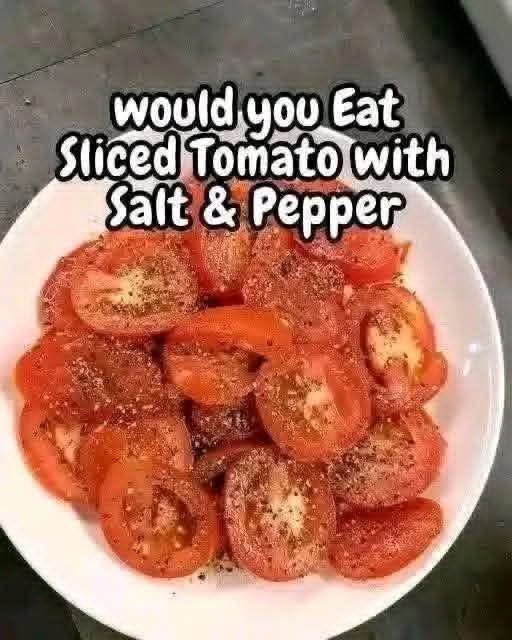
In a culinary world increasingly dominated by complex multi-ingredient recipes, gourmet fusion dishes, and elaborate cooking techniques, sometimes the most satisfying flavors are the simplest. A plate of freshly sliced tomatoes seasoned with nothing more than a dash of salt and black pepper is a timeless classic. It celebrates the pure, unadulterated taste of fresh produce. Whether enjoyed as a quick afternoon snack, a light side dish, or a staple of summer garden harvests, this effortless combination holds a cherished spot in homes worldwide. Let’s explore the history, appeal, and simple culinary science behind this beloved dish.
Introduction: The Beauty of Minimalist Cooking
Minimalist cooking relies on the quality of individual ingredients rather than heavy manipulation or masking flavors with excessive sauces. When you work with fresh tomatoes, the natural balance of acidity, sweetness, and juicy texture shines through. Adding salt and pepper does not change the identity of the fruit; instead, it acts as an amplifier, drawing out hidden flavor notes and enhancing the overall tasting experience.
Understanding how simple foods fit into a balanced lifestyle involves appreciating both culinary traditions and nutritional fundamentals. For those managing broader wellness goals, exploring topics like how fresh produce supports cardiovascular health can provide helpful context. Simplicity in the kitchen often aligns naturally with wholesome, nutrient-dense eating habits.
The Culinary Science Behind Salt and Tomatoes
Why does salt make tomatoes taste so much better? The interaction between sodium and fresh produce is rooted in basic food science. Salt does not just add a salty flavor profile; it physically draws out moisture through osmosis while simultaneously suppressing bitterness and enhancing our perception of natural sugars.
- Moisture Extraction: A light sprinkle of salt coaxes excess water out of the tomato flesh, concentrating the remaining juices into a richer, more vibrant flavor.
- Bitterness Reduction: Sodium ions interact with taste receptors on the tongue, blocking bitter notes that can occasionally occur in under-ripened or acidic tomatoes.
- Aroma Enhancement: As salt dissolves on the wet surface of the tomato, it helps release volatile aromatic compounds, making each bite smell and taste fresher.
If you are interested in exploring more ways to elevate simple garden produce, you might also enjoy reading our guide on pairing fresh herbs with summer vegetable dishes.
Practical Tips for Preparing the Perfect Sliced Tomato Plate
While slicing a tomato sounds effortless, achieving the ideal texture and flavor balance depends on a few straightforward preparation steps:
- Temperature Matters: Never refrigerate fresh tomatoes before slicing them, as cold temperatures destroy delicate flavor compounds and create a mealy texture. Keep them at room temperature on the counter.
- Knife Selection: Use a sharp serrated knife or a very sharp chef’s knife to slice through the skin cleanly without crushing the delicate interior flesh.
- Seasoning Timing: Apply salt just a minute or two before serving. Salting too far in advance can draw out too much liquid, making the plate overly watery.
- Quality Selection: Choose vine-ripened, heirloom, or locally grown tomatoes whenever possible, as commercial greenhouse varieties often lack deep flavor depth.
Interesting Facts About Tomatoes in Culinary History
- Botanical Classification: Although treated as a vegetable in culinary applications, the tomato is scientifically classified as a fruit because it develops from the ovary of a flowering plant.
- Historical Misconceptions: When tomatoes were first brought to Europe from the Americas in the 16th century, many people mistakenly believed they were poisonous because of their relation to nightshades.
- Global Popularity: Today, the tomato ranks as one of the most widely cultivated and consumed agricultural crops in the entire world.
- Lycopene Content: Fresh tomatoes are packed with lycopene, a powerful antioxidant associated with various health and cellular protective benefits.
Common Mistakes to Avoid When Preparing Fresh Tomato Dishes
Even simple dishes can fall short if basic preparation rules are overlooked. Avoid these frequent pitfalls to ensure the best possible flavor:
- Using Ice-Cold Tomatoes: Serving tomatoes straight from the refrigerator mutes their natural sweetness and ruins their texture.
- Skipping Quality Pepper: Using stale, pre-ground pepper provides flat heat. Freshly cracked black pepper delivers essential floral and pungent notes that complement the salt.
- Cutting Slices Too Thin: Slices that are razor-thin lose their juicy bite. Aim for medium-thick slices (about one-quarter to one-half inch thick) for optimal mouthfeel.
Expert Recommendations for Enhancing Your Snack
Culinary experts and home cooks agree that while salt and pepper are foundational, minor additions can elevate the experience without overcomplicating it:
- Add a Touch of Fat: A light drizzle of extra virgin olive oil adds a luxurious mouthfeel and helps your body absorb fat-soluble vitamins like lycopene.
- Incorporate Fresh Herbs: A scattering of fresh basil or chopped chives adds a wonderful aromatic dimension.
- Experiment with Salt Types: Try flaky sea salt, such as Maldon, to introduce a delightful intermittent crunch alongside the seasoning.
Comparison Table: Simple Tomato Preparation Variations
| Style / Variation | Key Ingredients | Best Paired With | Flavor Profile |
| Classic Minimalist | Fresh tomato, sea salt, black pepper | Crusty bread or eaten solo | Bright, juicy, savory-sweet |
| Mediterranean Style | Tomato, salt, pepper, olive oil, basil | Fresh mozzarella, grilled meats | Rich, herbaceous, smooth |
| Zesty Vinaigrette | Tomato, salt, pepper, balsamic glaze | Arugula salads, toasted baguettes | Tangy, sweet, sharp |
For readers looking to balance everyday grocery spending with healthy eating habits, explore our guide on smart budgeting for fresh seasonal produce.
Conclusion
The enduring popularity of sliced tomatoes with salt and pepper proves that you do not need complicated techniques or expensive ingredients to create something truly delicious. By respecting the natural qualities of fresh produce, avoiding common temperature mistakes, and seasoning with care, you can turn a simple garden harvest into an unforgettable culinary moment.
FAQ
1. Should tomatoes be kept in the refrigerator?
No, storing tomatoes in the refrigerator damages their cellular structure, leading to a mealy texture and a significant loss of flavor. Always store them at room temperature.
2. What type of salt works best on sliced tomatoes?
While standard table salt works, coarse sea salt or flaky finishing salts provide a superior texture and a clean, sharp burst of flavor.
3. Why do some tomatoes taste bland?
Bland tomatoes are usually the result of being picked green and artificially ripened during transit, or being chilled in cold storage before reaching the grocery store.
4. Are tomatoes considered a fruit or a vegetable?
Botanically, tomatoes are fruits because they contain seeds and develop from the flower. Culturally and culinarily, they are treated as vegetables.
5. Can I prepare sliced tomatoes ahead of time?
It is best not to slice and salt tomatoes too far in advance, as salt draws out moisture rapidly, leading to a soggy texture.
6. What is the best variety of tomato for slicing?
Heirloom varieties, Beefsteak tomatoes, and vine-ripened garden tomatoes offer the best balance of juiciness and rich flavor for slicing plates.
7. Does adding pepper provide health benefits?
Yes, black pepper contains piperine, a compound that has been shown to enhance the body’s absorption of certain nutrients and antioxidants.
8. Can I add vinegar to this dish?
Yes, a light splash of balsamic or red wine vinegar pairs wonderfully with tomatoes, salt, and pepper if you enjoy an extra punch of acidity.
9. Are tomatoes good for a balanced diet?
Yes, they are low in calories, high in vitamin C, potassium, and loaded with beneficial antioxidants like lycopene.
10. How can I tell if a tomato is fully ripe?
A ripe tomato should yield very slightly to gentle pressure, feature a vibrant color uniform throughout, and have a sweet, earthy aroma near the stem.