The Growing Appeal of Small Homes: Why Minimalist Living Is Captivating Modern Homeowners
Smaller homes require dramatically less money to build, heat, cool, and maintain. With traditional housing prices and mortgage rates stretching budgets thin, downsizing allows homeowners to eliminate heavy debt. Instead of spending decades paying off unused rooms, owners can direct their income toward travel, hobbies, and savings.
2. Minimal Maintenance and More Free Time
A large home demands endless weekend chores—from vacuuming expansive floors to repairing aging roofs and landscaping huge yards. In a compact home, deep cleaning takes less than an hour. Less upkeep translates directly into more free time to relax and enjoy life.
3. Intentional Living Without Clutter
Limited square footage naturally curates what you bring through the front door. Without spare closets and basements to accumulate unused items, small-home dwellers focus on keeping only things that serve a clear purpose or bring genuine joy.
Smart Design Makes Small Spaces Feel Expansive
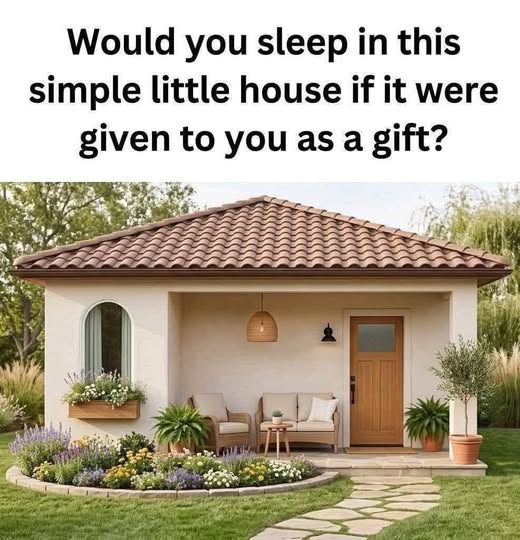
Modern small homes—like the inviting stucco cottage pictured with its terracotta roof and covered porch—prove that compact living never has to feel cramped. Architects use clever spatial strategies to maximize comfort:
- Indoor-Outdoor Flow: Covered front patios, large windows, and sliding glass doors visually double the living space by blending the interior with surrounding gardens.
- Multi-Functional Furniture: Built-in seating with hidden storage, fold-down desks, and lofted sleeping areas ensure every square inch works overtime.
- High Ceilings and Natural Light: Vaulted ceilings and arched windows draw the eye upward, creating an airy, open atmosphere even in a 400- to 600-square-foot floor plan.
Key Insight: Downsizing isn’t about deprivation—it is about trading excess square footage and financial stress for simplicity, comfort, and time.
Practical Considerations Before Going Small
While the dream of living in a cozy cottage is magnetic, transitioning to a smaller home requires thoughtful planning:
- Local Zoning and Building Codes: Many municipalities have strict rules regarding minimum square footage, permanent foundations, and utility hookups for small dwellings or backyard ADUs.
- Storage Discipline: Living comfortably in a compact space means embracing seasonal wardrobe rotations and digital organization to prevent visual clutter.
- Personal Space Needs: Couples or families sharing a small home benefit from outdoor living zones—like a shaded porch—to enjoy quiet solitude when needed.
Key Takeaways
- Lower Cost of Living: Small homes dramatically reduce utility bills, property maintenance, and mortgage debt.
- More Personal Time: Less square footage means far less time spent cleaning and repairing.
- Clever Architecture: Natural light, high ceilings, and covered porches make compact homes feel open and inviting.
- Mindful Lifestyle: Living small encourages intentional habits and frees resources for experiences over possessions.
Frequently Asked Questions
How big is a typical small home or tiny house?
Traditional tiny houses usually range from 200 to 400 square feet, while small cottages and accessory dwelling units (ADUs) typically span between 400 and 800 square feet.
Are small homes cheaper to heat and cool?
Yes. Because there is far less air volume to regulate and a smaller exterior surface area, heating and cooling bills in small homes are often a fraction of standard residential utility costs.
Can you place a small cottage in your backyard?
In many cities and states, updated zoning laws allow homeowners to build small cottages—known as Accessory Dwelling Units (ADUs) or granny flats—on existing residential lots for family members or rental income.
Do small homes hold their resale value?
Well-built small homes on permanent foundations—especially in desirable locations or areas with high housing demand—tend to hold strong value due to growing buyer interest in affordable, low-maintenance living.
What is the biggest adjustment when moving into a small house?
The biggest shift for most people is decluttering accumulated possessions and developing organized daily routines so shared surfaces stay neat and functional.
Pages: 1 2