
Digital Democracy: How Social Media Polls and Binary Choices Shape Modern Political Discourse
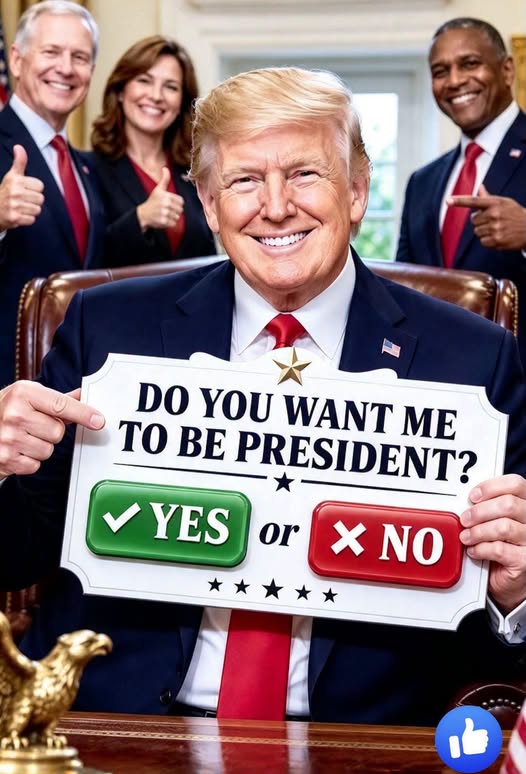
In the modern political landscape, complex national debates are frequently distilled into rapid, highly engaging binary choices. Across social media feeds, millions of users encounter interactive graphics, direct questions, and instant polling prompts that invite immediate reactions. A simple query asking whether a leader should hold office—accompanied by a straightforward “Yes” or “No” button—captures attention precisely because it strips away political jargon and invites direct participation.
This phenomenon highlights a profound transformation in how citizens interact with political figures and ideas. Rather than waiting for traditional town halls or quadrennial elections to voice opinions, voters now participate in an ongoing, digital referendum on leadership, policy, and national direction. Exploring this trend reveals vital insights into political communication, voter psychology, algorithmic amplification, and the future of democratic engagement in the digital age.
The Evolution of Political Communication in the Digital Age
To understand why binary social media prompts generate massive engagement, it helps to examine how political communication has evolved over the past century. For generations, political messaging was broadcast through a top-down model. Print newspapers, radio broadcasts, and television networks served as the primary gatekeepers of political news, filtering information before it reached the general public.
The rise of the internet, and subsequently social media platforms, dismantled this traditional hierarchy. Political figures, campaigns, and advocacy groups gained the ability to communicate directly with constituents without media mediation. This direct-to-audience approach revolutionized campaigning, allowing for instantaneous messaging, real-time feedback, and viral distribution on an unprecedented scale.
                 ┌────────────────────────────────────────┐
                 │     EVOLUTION OF POLITICAL MESSAGING   │
                 └───────────────────┬────────────────────┘
                                     │
         ┌───────────────────────────┼───────────────────────────┐
         ▼                           ▼                           ▼
┌─────────────────┐         ┌─────────────────┐         ┌─────────────────┐
│ Traditional     │         │ Broadcast Era   │         │ Digital & Social│
│ Print & Press   │         │ Radio & TV      │         │ Direct-to-Voter │
│ • Top-down      │         │ • Mass audience │         │ • Interactive   │
│ • Filtered news │         │ • One-way flow  │         │ • Viral reach   │
└─────────────────┘         └─────────────────┘         └─────────────────┘
Today, communication is no longer a one-way broadcast; it is an interactive dialogue. Social media algorithms reward content that triggers immediate user reactions, turning political preference into an engaging, participatory experience where every user’s click contributes to a massive collective display of public sentiment.
The Psychology Behind “Yes or No” Political Prompts
Why do simple binary questions command such intense attention across digital platforms? Human psychology plays a significant role in how audiences process information online. In an era of information overload, users are constantly bombarded with complex headlines, dense policy papers, and conflicting news reports.
When presented with a clear, concise question—such as whether a specific leader should return to the presidency—the cognitive load is instantly reduced. Readers interested in political communication strategies often find value in exploring how cognitive framing influences modern public opinion and digital media consumption.
- Cognitive Ease: Binary choices allow users to immediately categorize their stance without wading through nuanced policy debates.
- Emotional Resonance: Simple questions tap directly into preexisting beliefs, activating strong emotional ties to political identities and candidates.
- The Urgency of Participation: Interactive elements like checkmarks, buttons, and polls encourage users to act rather than passively scroll, fostering a sense of personal investment in the outcome.
Why Digital Engagement Drives Modern Political Campaigns
In contemporary political strategy, digital engagement is not merely a supplementary tool; it is a core engine of visibility, fundraising, and voter mobilization. Campaigns rely heavily on viral content to measure audience enthusiasm, test messaging effectiveness, and expand their digital footprint.
Algorithmic Amplification
Social media algorithms are designed to maximize user retention and interaction. Posts that receive rapid likes, comments, shares, and button clicks are automatically pushed to a wider audience. A compelling graphic featuring a direct question can spread across millions of feeds within hours, achieving organic reach that traditional advertising budgets struggle to match.
Grassroots Mobilization and Data Collection
Interactive posts serve a dual purpose for modern political organizations. Beyond generating visibility, they act as informal sentiment trackers. By analyzing engagement metrics, campaigns can identify geographic regions of high support, gauge demographic enthusiasm, and refine their outreach strategies to target undecided voters more effectively.
The Complex Relationship Between Online Polls and Public Sentiment
While social media engagement graphics are exceptionally effective at driving traffic and participation, they occupy a unique space distinct from scientific public opinion polling. Understanding this difference is crucial for anyone analyzing modern political trends.
Scientific polling relies on rigorous methodology, random sampling, weighting adjustments, and demographic representation to capture an accurate snapshot of the broader electorate. In contrast, social media engagement metrics reflect the behavior of specific online communities and active platform users.
Key Insight: Social media interactions measure engagement and enthusiasm rather than serving as a statistically representative ballot. High engagement signifies a mobilized and passionate digital audience, illustrating the cultural resonance of a political figure rather than substituting for a formal, randomized election ballot.
Readers curious about the broader mechanics of public opinion and media influence may also want to explore our comprehensive guide on how data analytics shapes modern political campaigns.
Navigating Political Polarization in the Digital Public Square
The same mechanisms that make social media effective for political mobilization also contribute to increasing political polarization. Digital platforms are structured around engagement, and extreme viewpoints frequently generate stronger emotional reactions—and consequently higher engagement—than moderate, nuanced discussions.
When political discourse is reduced to binary choices like “Yes” or “No,” the gray areas of governance are often overshadowed. This dynamic can create ideological echo chambers where users primarily interact with content that reinforces their existing beliefs. Navigating this environment requires media literacy, critical thinking, and a conscious effort to seek diverse perspectives beyond the immediate confines of social media algorithms.
Practical Implications for Future Campaigns and Voters
As technology continues to evolve, the intersection of digital media and politics will only deepen. Artificial intelligence, advanced data analytics, and interactive media formats are changing how political figures connect with the public.
- For Campaigns: The mandate is clear—authenticity, visual clarity, and rapid digital responsiveness are essential for capturing public attention in a crowded media ecosystem.
- For Voters: Developing strong digital literacy skills is vital. Recognizing the difference between viral marketing, algorithmic engagement, and objective policy reporting helps citizens make informed decisions.
Those interested in the intersection of technology, media, and society will find that understanding these digital dynamics is essential for making sense of contemporary civic life.
Key Takeaways
- Direct Communication: Social media allows political figures to bypass traditional media gatekeepers and connect directly with millions of citizens.
- The Power of Simplicity: Binary questions reduce cognitive load, making political content highly shareable and engaging.
- Engagement vs. Polling: Viral social media metrics measure audience enthusiasm and digital mobilization rather than serving as scientific election forecasts.
- The Polarization Challenge: Algorithmic platforms naturally favor high-emotion content, underscoring the need for critical media literacy among voters.
Frequently Asked Questions
Why are binary “Yes or No” questions so common in political social media content?
Binary questions simplify complex political topics into clear choices, reducing cognitive load and encouraging immediate user interaction, which drives higher engagement and sharing across platforms.
Do social media engagement metrics accurately predict election outcomes?
No. Social media metrics measure the activity and enthusiasm of specific online users and platform algorithms. They are distinct from scientific polls, which use randomized sampling and demographic weighting to represent the broader electorate.
How do political campaigns utilize interactive social media graphics?
Campaigns use interactive posts to gauge public enthusiasm, test message resonance, collect engagement data, expand their digital footprint, and mobilize supporters to take action.
What is the role of algorithms in shaping political discussions online?
Social media algorithms prioritize content that generates high user interaction, such as likes, shares, and comments. This often results in the widespread amplification of emotional or polarizing political messaging.
How can voters maintain perspective while consuming political content online?
Voters can maintain perspective by practicing media literacy, recognizing the difference between viral marketing and objective journalism, and seeking out diverse, well-researched sources of political news.