
Decoding Emergency Vehicle Lighting: What Do Green Lights Mean on the Road?
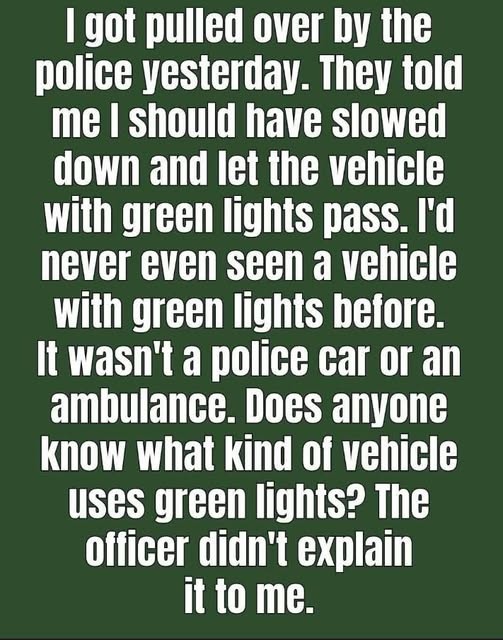
Encountering flashing lights on the highway usually triggers an immediate, instinctual response: pull over, slow down, and yield the right-of-way. While most drivers are instantly familiar with flashing red, blue, and amber lights belonging to police cruisers, fire trucks, and tow trucks, seeing an unfamiliar color can create sudden confusion. Recently, stories have circulated about drivers getting pulled over for failing to yield to vehicles displaying green lights, leaving many motorists puzzled about what these vehicles represent.
Understanding emergency vehicle lighting codes is not only crucial for avoiding hefty traffic fines and legal penalties, but it also ensures the safety of first responders and medical personnel who risk their lives daily. Exploring the specific meanings behind green emergency lights sheds light on a lesser-known aspect of traffic laws and road safety regulations.
The Purpose and Variability of Emergency Lighting Laws
Traffic laws and emergency vehicle lighting regulations are established at the state and local levels rather than through a single federal standard. Because of this jurisdictional breakdown, the exact meaning of a specific light color can vary significantly depending on the state, province, or country you are driving in.
While red and blue lights are universally restricted to law enforcement and active emergency responders, auxiliary colors like amber, white, and green are often utilized to designate specialized personnel, volunteer responders, or command vehicles. Recognizing these local distinctions helps drivers respond appropriately and prevents dangerous misunderstandings on fast-moving roads.
1. Volunteer Firefighters and Emergency Medical Technicians (EMTs)
In many regions across the United States, green flashing or rotating lights are used by volunteer firefighters, EMTs, or medical first responders. When an emergency call comes in, these individuals often rush from their homes or workplaces directly to the station or the scene of the incident in their private personal vehicles.
To alert other motorists that they are responding to an urgent call and requesting the right-of-way, some states authorize these volunteers to display a green dash light, beacon, or grille light. While these lights grant a degree of courtesy or expedited passage, they generally do not grant the same absolute legal exemptions as a blaring siren and red lights on a marked fire engine.
Practical Tips for Encountering Unusual Emergency Lights
- Yield Safely and Calmly: If you notice any flashing lights behind you—regardless of the color—signal safely and move to the right shoulder to let them pass.
- Check Local Regulations: Familiarize yourself with your specific state’s vehicle code regarding auxiliary emergency lighting colors so you know what is expected.
- Avoid Sudden Braking: Never slam on your brakes abruptly in the middle of a lane; always assess your surroundings before changing speed or position.
2. Incident Command and Specialized Security Vehicles
Beyond volunteer medical responders, green lights are occasionally used by specialized security personnel, private security patrols, or specific municipal agencies. For instance, certain convoy escorts, private security details on large corporate campuses, or specialized incident command vehicles utilize green lighting to differentiate themselves from standard police or construction vehicles.
In some international jurisdictions, green lights are explicitly designated for medical doctor vehicles or specialized disaster relief units, ensuring they can navigate congested traffic during critical situations.
3. Security and Safety Protocols for Drivers
When operating a motor vehicle, staying observant and adaptable is essential for preventing accidents. Encountering unfamiliar vehicle configurations requires extra caution, as misjudging the urgency of another driver can lead to dangerous road interactions.
Common Mistakes to Avoid
- Refusing to Yield Out of Confusion: Just because a light color is unfamiliar does not mean you should block the vehicle; always err on the side of caution and yield.
- Ignoring Surroundings: Failing to check blind spots before moving over for an approaching vehicle can cause sideswipe collisions.
- Assuming All States Have Identical Laws: Relying on rules from one state when driving through another can lead to unexpected tickets or safety hazards.
Comparative Overview of Emergency and Auxiliary Vehicle Light Colors
| Light Color | Primary Association | Typical Legal Meaning |
| Red & Blue | Law enforcement and active police units | Absolute right-of-way; mandatory stop for all traffic |
| Flashing Red / Amber Combination | Fire trucks, ambulances, and rescue squads | Emergency response mode requiring immediate yield |
| Green | Volunteer firefighters or medical first responders | Request for right-of-way (varies heavily by state code) |
| Amber / Yellow | Construction, utility, and slow-moving vehicles | Cautionary warning; exercise care and reduce speed |
Expert Recommendations for Road Safety and Compliance
Traffic safety experts emphasize that defensive driving involves respecting all signals on the roadway, whether common or rare. Here are key practices to keep your driving record clean and your journeys safe:
- Stay Updated on Traffic Laws: Review your state’s department of motor vehicles (DMV) handbook periodically to stay informed about legislative updates regarding vehicle lighting.
- Maintain Wide Spatial Awareness: Keep scanning your rearview and side mirrors every few seconds so you can spot approaching emergency or auxiliary vehicles early.
- Maintain Professional Courtesy: Give fellow drivers the benefit of the doubt; yielding a lane when someone appears to be rushing can prevent an accident.
Conclusion
Encountering a vehicle with green lights can catch any driver off guard, but understanding what these lights represent transforms confusion into safe, cooperative driving. Whether designating a volunteer first responder or a specialized security unit, respecting auxiliary emergency lighting keeps our roadways safe for everyone. Stay informed, remain courteous, and always prioritize safety when unexpected situations arise on the road.
Frequently Asked Questions
1. What does a green flashing light on a car mean?
In many U.S. states, a green flashing light indicates a volunteer firefighter or emergency medical technician responding to an urgent call in their personal vehicle.
2. Do I legally have to pull over for a car with green lights?
Legal requirements vary by state; some states require motorists to yield the right-of-way, while others treat green lights merely as a courtesy request.
3. Are green emergency lights legal in every state?
No, vehicle lighting laws are governed at the state level, meaning some states permit green lights for volunteers while others strictly prohibit them.
4. Can a regular citizen install green lights on their vehicle?
Generally, no. Unauthorized use of colored emergency lights is illegal and can result in severe fines or misdemeanor charges depending on local laws.
5. What should I do if I get pulled over by an unmarked car?
If you are unsure about an unmarked vehicle, turn on your hazard lights, slow down, and drive to a well-lit, populated public area before stopping.
6. Why do volunteer responders use their own cars?
Many volunteer fire departments and rural EMS squads lack the budget to provide take-home emergency vehicles for every on-call responder.
7. How do amber lights differ from green lights?
Amber lights are strictly cautionary warnings used for slow-moving, utility, or construction vehicles and do not require drivers to yield the right-of-way.
8. Can medical doctors use specialized lights in their cars?
In some countries, doctors on emergency call are permitted to use specific green or blue auxiliary lights, though this is rare in the United States.
9. What is the penalty for failing to yield to an emergency vehicle?
Penalties typically include heavy fines, points on your driver’s license, and potential court appearances depending on the severity of the infraction.
10. Where can I check my local state lighting regulations?
You can consult your state’s official Department of Motor Vehicles (DMV) website or local traffic safety code statutes.