
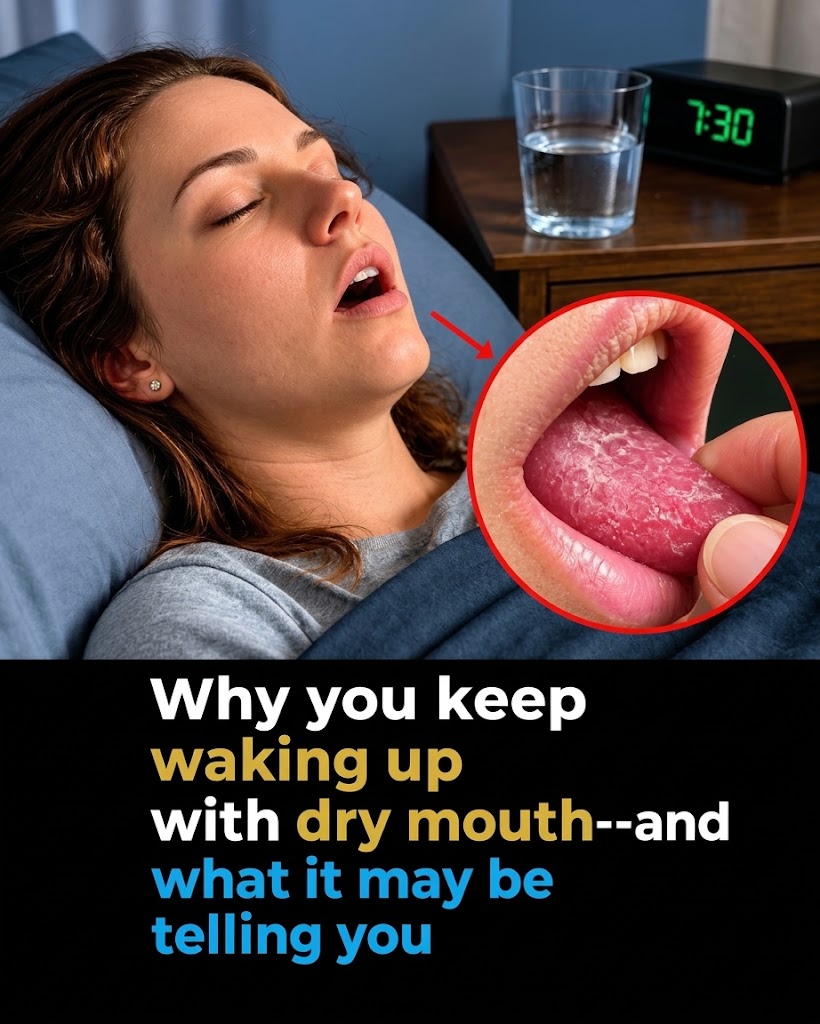
Dry Mouth When You Wake Up: What Your Body Might Be Telling You
Waking up with a parched throat, sticky tongue, and an urgent need for a glass of water is a frustratingly common morning experience. In medical terms, this sensation is known as nocturnal xerostomia. While occasional morning dryness is completely normal, waking up with a dry mouth every single day is often your body’s way of signaling subtle shifts in your sleep environment, breathing patterns, or hydration habits.
Understanding why saliva production drops overnight—and identifying the underlying triggers behind morning dryness—helps protect your oral health, improve your sleep quality, and keep you feeling refreshed upon waking.
Why Saliva Matters While You Sleep
During the day, your salivary glands work continuously to keep your mouth moist, wash away food particles, neutralize acids, and control bacterial growth. However, when you fall asleep, your body naturally slows down saliva production as part of its normal circadian rhythm.
Because baseline saliva flow is already reduced at night, any external factor that dries out the oral cavity—such as open-mouth breathing or dry bedroom air—becomes far more noticeable by morning.
                 ┌────────────────────────────────────────┐
                 │     PRIMARY CAUSES OF MORNING DRY MOUTH│
                 └───────────────────┬────────────────────┘
                                     │
         ┌───────────────────────────┼───────────────────────────┐
         ▼                           ▼                           ▼
┌─────────────────┐         ┌─────────────────┐         ┌─────────────────┐
│ Mouth Breathing │         │ Overnight       │         │ Medications &   │
│ & Nasal Blocks  │         │ Dehydration     │         │ Sleep Habits    │
│ • Allergies or  │         │ • Low daily     │         │ • Side effects  │
│   sleep posture │         │   water intake  │         │   & room air    │
└─────────────────┘         └─────────────────┘         └─────────────────┘
5 Common Reasons You Wake Up With a Dry Mouth
If you routinely reach for your bedside water glass at 7:30 AM, one of these five physiological or environmental factors is likely behind it:
1. Sleeping With Your Mouth Open (Mouth Breathing)
Breathing through your mouth instead of your nose is the single most frequent cause of morning dryness. Nasal congestion from seasonal allergies, a mild cold, a deviated septum, or simply sleeping flat on your back can force your jaw to drop open, allowing air to evaporate moisture from your tongue and gums all night.
2. Mild Overnight Dehydration
Your body loses fluids continuously through breathing and perspiration while you sleep. If you haven’t consumed enough water throughout the day—or if you had salty foods, caffeine, or alcohol close to bedtime—your body conserves fluids by further limiting saliva output.
3. Dry Indoor Bedroom Air
Heating systems in winter and air conditioning in summer strip humidity from indoor air. Breathing dry, conditioned air for seven to eight hours pulls moisture directly from the delicate mucous membranes of your mouth and throat.
4. Medication Side Effects
Hundreds of common over-the-counter and prescription medications list dry mouth as a primary side effect. Antihistamines, decongestants, blood pressure medications, and certain supplements frequently suppress salivary gland activity overnight.
5. Snoring and Sleep-Related Breathing Issues
Chronic snoring vibrates soft tissues in the throat and forces high volumes of air through an open mouth. In some cases, persistent morning dry mouth paired with daytime fatigue or loud snoring can be an early sign of obstructive sleep apnea.
Why Persistent Dry Mouth Affects Oral Health
Saliva does much more than keep your mouth comfortable; it acts as your teeth’s primary natural defense system.
Key Insight: When your mouth stays dry overnight, oral bacteria multiply rapidly without saliva to wash them away. Over time, chronic morning xerostomia increases the risk of morning breath, plaque buildup, gum irritation, and enamel erosion.
Simple Ways to Prevent Morning Dry Mouth
Making a few small adjustments to your evening routine and bedroom setup can dramatically improve morning comfort:
- Keep Water by Your Bed: Place a glass or insulated bottle of water on your nightstand so you can hydrate immediately upon waking and before going to sleep.
- Run a Bedroom Humidifier: Adding moisture to your bedroom air prevents your nasal passages and oral tissues from drying out overnight.
- Clear Nasal Passages Before Bed: Using a saline nasal spray or taking a warm shower before sleep helps open your airways so you can breathe comfortably through your nose.
- Adjust Your Sleep Position: Sleeping on your side rather than flat on your back reduces the likelihood of your jaw falling open or snoring.
- Limit Late-Night Caffeine and Alcohol: Both act as mild diuretics and dry out oral tissues if consumed within a few hours of bedtime.
Key Takeaways
- Circadian Dip: Saliva production naturally decreases during sleep, making the mouth vulnerable to dryness.
- Mouth Breathing: Nasal congestion, back-sleeping, and snoring are the top drivers of overnight moisture loss.
- Environment Matters: Dry bedroom air and insufficient daytime hydration directly impact how your mouth feels at sunrise.
- Oral Protection: Addressing chronic dry mouth protects tooth enamel, reduces morning breath, and supports healthy gums.
Frequently Asked Questions
Why is my tongue white and sticky when I wake up?
A dry, coated tongue in the morning usually occurs when reduced overnight saliva allows dead cells, food debris, and harmless oral bacteria to accumulate on the tongue’s surface. Hydrating and brushing your tongue clears it quickly.
Can sleeping on your back cause dry mouth?
Yes. Sleeping flat on your back makes it easier for your jaw to relax and fall open, encouraging mouth breathing and snoring, both of which rapidly dry out the mouth.
Does drinking water right before bed prevent dry mouth?
Drinking a small glass of water before sleep helps maintain baseline hydration, though sipping too much right before lying down may disrupt sleep with nighttime bathroom trips. Staying steadily hydrated throughout the afternoon works best.
When should I talk to a doctor or dentist about dry mouth?
If morning dry mouth persists despite using a humidifier, staying hydrated, and breathing through your nose—or if it is accompanied by loud snoring, gasping during sleep, or frequent cavities—consult a healthcare provider or dentist for an evaluation.
Can stress or anxiety contribute to waking up with a dry mouth?
Yes. Elevated evening stress triggers your body’s fight-or-flight response, which slows down saliva production and increases shallow mouth breathing during sleep.