
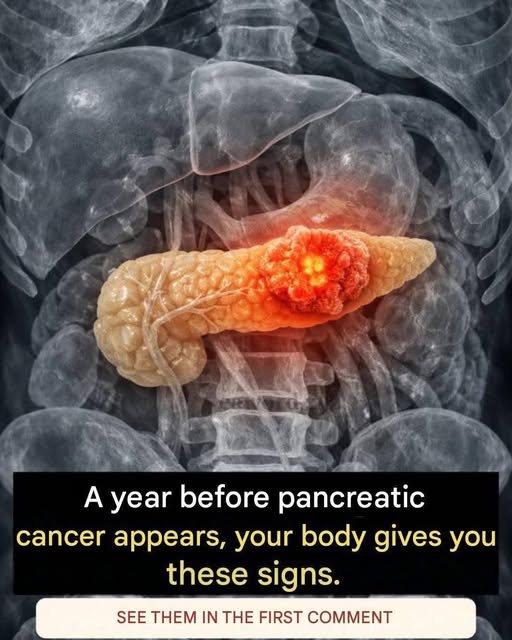
Understanding Pancreatic Health: Early Warning Signs and Medical Insights
Pancreatic cancer is one of the most thoroughly studied yet challenging malignancies in modern oncology. Because the pancreas is deeply situated within the abdomen—tucked behind the stomach and near other vital organs—early-stage tumors often develop without producing noticeable symptoms.
Across social media and health education platforms, viral posts frequently highlight early warning signs or retrospective findings that appear months before a formal diagnosis. Examining what medical science reveals about early pancreatic changes, subtle bodily signals, and the importance of proactive healthcare provides vital clarity.
The Anatomy and Function of the Pancreas
To understand why pancreatic conditions can be difficult to detect early, it helps to review the organ’s dual roles in human physiology:
- Exocrine Function: The pancreas produces crucial digestive enzymes (such as lipase, amylase, and protease) that travel into the small intestine to break down fats, proteins, and carbohydrates.
- Endocrine Function: Specialized clusters of cells called the islets of Langerhans produce hormones—most notably insulin and glucagon—which regulate blood sugar levels throughout the body.
When abnormal cellular growth or tumors develop within the pancreatic tissue, they can subtly disrupt these digestive and endocrine processes long before structural imaging detects a mass.
Subtle Early Signals Associated with Pancreatic Changes
While advanced pancreatic cancer often presents with distinct symptoms, medical researchers studying retrospective patient data have identified several early bodily shifts that can manifest months prior to diagnosis:
                 ┌────────────────────────────────────────┐
                 │     SUBTLE EARLY HEALTH INDICATORS     │
                 └───────────────────┬────────────────────┘
                                     │
         ┌───────────────────────────┼───────────────────────────┐
         ▼                           ▼                           ▼
┌─────────────────┐         ┌─────────────────┐         ┌─────────────────┐
│ Unexplained     │         │ New-Onset       │         │ Digestive       │
│ Weight Loss     │         │ Diabetes        │         │ Discomfort      │
│ • Rapid drop    │         │ • Sudden blood  │         │ • Persistent    │
│   without diet  │         │   sugar shifts  │         │   bloating      │
└─────────────────┘         └─────────────────┘         └─────────────────┘
1. Unexplained and Rapid Weight Loss
Losing significant weight without any intentional changes to diet or exercise is a common early indicator of many systemic conditions, including pancreatic changes. Tumors can alter metabolism and impair the body’s ability to absorb nutrients properly.
2. New-Onset or Suddenly Unstable Diabetes
The pancreas is responsible for insulin production. A sudden onset of Type 2 diabetes in an older adult—or previously well-controlled blood sugar levels that become erratic without lifestyle changes—can sometimes be an early metabolic warning sign linked to pancreatic disruption.
3. Persistent Digestive Discomfort and Bloating
Because the pancreas produces digestive enzymes, early functional changes can lead to persistent indigestion, upper abdominal discomfort, or pale, floating stools (steatorrhea) caused by unabsorbed fats.
4. Vague Abdominal or Mid-Back Pain
A dull, persistent ache in the upper abdomen that sometimes radiates through to the middle of the back can occur when a growing mass presses against surrounding nerves or organs.
Readers interested in wellness monitoring can also explore our guide on understanding routine metabolic and blood panel screenings.
Why Early Detection Remains a Medical Challenge
The primary reason pancreatic cancer has lower early-detection rates compared to other cancers is anatomical:
Key Insight: The pancreas does not have a simple routine screening test akin to a mammogram or a colonoscopy for the general population. Because early tumors are small and deeply hidden, symptoms are frequently mistaken for common, less serious gastrointestinal issues like acid reflux or irritable bowel syndrome.
Medical researchers are actively working on advanced biomarker blood tests and specialized imaging techniques to identify high-risk patients earlier and improve treatment outcomes.
Proactive Steps for Long-Term Health
Maintaining optimal pancreatic and digestive health involves cultivating supportive daily habits and partnering closely with healthcare providers:
- Prioritize Regular Medical Check-Ups: Routine physical exams and comprehensive blood panels help track metabolic changes, liver function, and blood glucose stability over time.
- Adopt an Anti-Inflammatory Diet: Focus on whole foods rich in antioxidants, lean proteins, and fiber while minimizing excessive alcohol consumption and ultra-processed foods, which place stress on digestive organs.
- Avoid Tobacco Products: Smoking is one of the leading preventable risk factors for pancreatic cancer, damaging cellular DNA over time.
For additional health strategies, check out our comprehensive overview of proactive wellness habits for aging well.
Key Takeaways
- Hidden Location: The pancreas is deeply situated in the abdomen, causing early tumors to develop without immediate warning signs.
- Subtle Early Cues: Unexplained weight loss, new-onset diabetes, and persistent digestive changes can sometimes precede a diagnosis.
- Screening Challenges: General population screening tests for the pancreas do not currently exist, making routine physicals essential.
- Risk Reduction: Avoiding tobacco, limiting alcohol, and maintaining regular medical evaluations support long-term digestive wellness.
Frequently Asked Questions
Why is pancreatic cancer so hard to detect early?
The pancreas is hidden behind other abdominal organs, and early-stage tumors rarely cause distinct symptoms, often mimicking common digestive complaints.
Can sudden diabetes be linked to the pancreas?
Yes. Because the pancreas produces insulin, sudden-onset diabetes or unexplained blood sugar instability in older adults can sometimes serve as an early metabolic signal.
What are the most common symptoms of advanced pancreatic cancer?
Advanced symptoms frequently include painless jaundice (yellowing of the skin and eyes), dark urine, pale stools, severe upper abdominal pain, and rapid weight loss.
Are there routine screening tests for pancreatic cancer?
There is currently no standard, routine screening test for pancreatic cancer in the general population. Screening is typically reserved for individuals with strong genetic predispositions or family histories.
How can lifestyle habits impact pancreatic health?
Avoiding smoking, limiting alcohol intake, managing body weight, and eating a balanced, nutrient-dense diet help reduce overall systemic inflammation and protect digestive organ function.