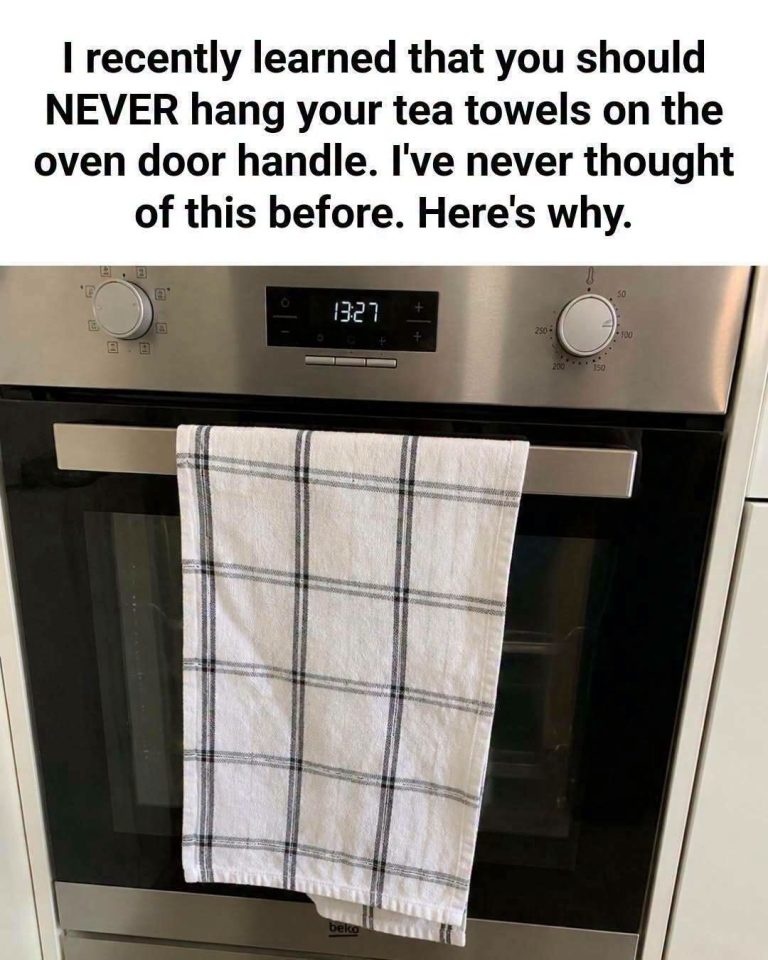
Why You Should NEVER Hang Your Tea Towels on the Oven Door Handle
For many home cooks, draping a dish towel or tea towel over the oven door handle is an instinctive, second-nature habit. It keeps kitchen linens within arm’s reach when wiping down counters, drying freshly washed hands, or handling warm cookware. At first glance, it seems like the most convenient spot in the entire kitchen.
However, recent discussions among home safety experts and cleaning enthusiasts have highlighted why this ubiquitous habit might be a mistake. While it looks tidy and offers immediate accessibility, hanging textiles from your oven handle carries several hidden downsides ranging from hygiene concerns to household safety risks. Taking a closer look at this common kitchen routine reveals why many interior designers and safety professionals recommend breaking the habit once and for all.
The Hidden Hygiene Hazard: Bacteria’s Favorite Breeding Ground
The most compelling argument against hanging tea towels on the oven handle has less to do with the oven itself and everything to do with how we use the towels. Throughout the day, a kitchen hand towel is subjected to numerous tasks:
- Wiping wet hands after washing
- Catching stray food splatters and wiping down countertops
- Handling minor kitchen spills
When a towel is draped neatly over an oven handle, it often hangs in a folded, bunched position that restricts airflow. Trapped moisture combined with ambient kitchen warmth creates an ideal breeding ground for bacteria, mold, and microbes.
Key Insight: Kitchen towels can rapidly accumulate harmful bacteria like E. coli and Staphylococcus if they remain damp between uses. Hanging them in a compact fold over a warm appliance prevents proper drying, turning a cleaning tool into a potential vector for cross-contamination.
Readers interested in maintaining a pristine culinary environment may also want to explore our guide on effective kitchen hygiene practices and proper dishcloth sanitation.
Fire Safety and Appliance Hazards
Beyond hygiene, placing flammable textiles directly against or over a major kitchen heating appliance introduces significant safety considerations.
1. The Risk of Accidental Combustion
Modern ovens generate substantial heat, particularly during high-temperature baking, roasting, or self-cleaning cycles. While the exterior glass and handles are insulated, surrounding areas can become surprisingly warm. If a trailing tea towel accidentally slips, sags against a hot burner control, or drapes too close to a gas flame or heating element, the risk of scorching or combustion increases dramatically.
2. Interference with Oven Seals and Door Mechanisms
Oven doors rely on tight thermal seals to lock in heat and maintain energy efficiency. When towels are repeatedly slung over the handle, they can occasionally become jammed in the door latch or prevent the door from sealing completely. Even a microscopic gap in the oven seal can lead to heat leakage, increased energy consumption, and uneven baking results.
Ergonomic and Design Considerations in Modern Kitchens
From an aesthetic and practical standpoint, hanging bright or patterned textiles from the center of an appliance can disrupt the clean lines of modern kitchen cabinetry.
                 ┌────────────────────────────────────────┐
                 │    BETTER ALTERNATIVES FOR TOWEL STORAGE│
                 └───────────────────┬────────────────────┘
                                     │
         ┌───────────────────────────┼───────────────────────────┐
         ▼                           ▼                           ▼
┌─────────────────┐         ┌─────────────────┐         ┌─────────────────┐
│ Wall-Mounted    │         │ Under-Counter   │         │ Magnetic Hooks  │
│ Hooks           │         │ Bars            │         │ on the Fridge   │
│ • Maximum airflow│        │ • Out of splash │         │ • Convenient &  │
│ • Rapid drying  │         │   zone          │         │   accessible    │
└─────────────────┘         └─────────────────┘         └─────────────────┘
Interior design experts point out that appliances are statement pieces in contemporary kitchen layouts. Draping multi-colored or damp linens across the main visual focal point can make a kitchen look cluttered, even when the rest of the space is immaculate.
Furthermore, kitchen islands and ovens are high-traffic zones. Loose towels hanging from handles frequently snag on clothing, get pulled down by pets, or brush against raw food preparation areas on nearby counters.
Better Alternatives for Kitchen Towel Storage
Fortunately, keeping your tea towels accessible does not require sacrificing safety or hygiene. Several smart alternatives allow proper airflow and organization:
- Wall-Mounted Hooks or Rings: Installing a dedicated hook or towel ring on an empty wall space or the side of a cabinet ensures the towel hangs fully extended, promoting rapid drying.
- Under-Counter Bars: Sleek pull-out or fixed towel bars mounted inside cabinet doors keep linens hidden while maintaining easy access.
- Magnetic Fridge Clips: Heavy-duty magnetic hooks attached to the side of the refrigerator provide a convenient, highly visible spot away from direct heat sources.
Homeowners looking to upgrade their culinary workspace often find that rethinking small organizational habits makes a dramatic difference in daily efficiency and home safety.
Cultivating Safer Daily Habits in the Heart of the Home
The kitchen is the busiest room in the house, and small habits often become second nature without us questioning their logic. While draping a towel over the oven handle seems harmless, understanding the implications regarding hygiene, airflow, and appliance safety encourages a safer, more intentional approach to home management.
By shifting your towels to a well-ventilated hook or bar, you protect your household from unnecessary bacteria growth, keep your kitchen looking sleek, and eliminate a minor yet avoidable safety hazard.
Key Takeaways
- Moisture Trapping: Bunched towels on oven handles fail to dry properly, fostering bacterial growth.
- Fire Safety: Keeping flammable fabrics away from high-heat appliances reduces the risk of accidental scorching.
- Seal Integrity: Loose fabric can interfere with oven door closures, impacting energy efficiency.
- Smart Alternatives: Utilize wall-mounted hooks, cabinet bars, or magnetic fridge clips to maximize airflow and cleanliness.
Frequently Asked Questions
Why is hanging a tea towel on the oven handle considered unhygienic?
When a towel is folded over an oven handle, it cannot dry efficiently. Combined with warm ambient kitchen temperatures, trapped moisture encourages the rapid multiplication of bacteria and microbes.
Can hanging a towel on the oven cause a fire?
While modern ovens are insulated, trailing fabrics can occasionally slip closer to heating elements, gas flames, or hot stovetop controls than intended, creating a potential fire hazard.
How often should kitchen tea towels be replaced?
Kitchen hand towels used for drying clean hands and wiping surfaces should ideally be replaced and laundered every one to two days to prevent bacterial buildup.
What are the best alternative locations for kitchen towels?
Dedicated wall hooks, adhesive towel bars inside under-sink cabinets, or magnetic hooks placed on the side of the refrigerator are excellent alternatives that promote proper airflow and drying.
Does placing a towel on the oven handle affect energy bills?
If a towel or fabric gets caught in the oven door seal, it can prevent the door from closing completely. This allows heat to escape, reducing cooking efficiency and increasing energy usage over time.