Decoding Viral Health Claims: The Truth About Aging and Circulation
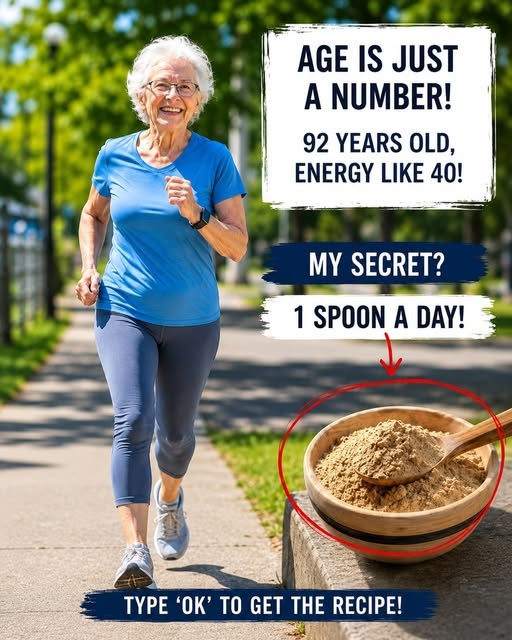
Social media feeds are frequently flooded with dramatic health claims featuring vibrant seniors sharing “miracle secrets” to youthful vitality. As seen in image_5feb65.jpg, advertisements promising that a single spoonful of a secret powder can give a 90-plus-year-old the blood circulation and energy of a 40-year-old capture immense attention. While the idea of a simple, natural shortcut to lifelong cardiovascular health is appealing, navigating these sensationalized claims requires a balanced, science-based approach.
The Science of Cardiovascular Aging
As people age, blood vessels naturally undergo structural and functional changes. Arteries can become stiffer, and plaque buildup can affect overall circulation. Maintaining healthy blood flow involves a combination of consistent habits rather than a single miracle ingredient.
- Regular Physical Activity: Exercise remains one of the most powerful proven ways to keep blood vessels flexible and maintain strong circulation.
- Balanced Nutrition: Diets rich in antioxidants, fiber, and omega-3 fatty acids support long-term heart and vascular health.
If you are interested in exploring evidence-based ways to support your cardiovascular system as you age, you might find it useful to read our guide on how to maintain healthy blood circulation through lifestyle and diet.
Why Clickbait Health Ads Thrive
Catchy hooks like “age is just a number” and instructions to “type ‘OK’ to get the recipe” are classic engagement-bait tactics designed to drive social media algorithmic interaction.
- The Appeal of Simplicity: People naturally prefer quick, easy fixes over the daily discipline of exercise, hydration, and balanced eating.
- Emotional Resonance: Seeing an energetic older adult inspires hope, making viewers more likely to click out of sheer curiosity.
- The Funnel Effect: Engagement-bait posts often lead users down marketing funnels for expensive, unverified supplements.
If you are evaluating online health trends and trying to separate fact from fiction, our resource on how to spot misleading wellness claims online offers great practical advice.
Comparison: Viral Claims vs. Evidence-Based Wellness
| Approach | Basis | Sustainable Result |
| “Miracle Spoon” Ads | Unverified viral marketing hooks | False expectations, potential financial cost |
| Evidence-Based Habits | Clinical research and medical guidance | Long-term cardiovascular health and stability |
Common Misconceptions
A widespread misconception is that single ingredients or exotic powders can single-handedly reverse the natural aging of the cardiovascular system. While certain foods and herbs offer supportive nutrients, they cannot replace comprehensive lifestyle habits and professional medical care.
- Fact: Always approach dramatic health claims on social media with skepticism, especially when they promise instant or miraculous transformations.
When to Consult Healthcare Professionals
Before adding new supplements, herbs, or drastic dietary changes to your daily routine, it is essential to consult a qualified physician or cardiologist—especially if you have underlying heart conditions or take prescription medications.
To learn more about preparing for medical consultations, check out our guide on how to talk to your doctor about heart health and supplements.
Conclusion
While images like the one in image_5feb65.jpg make for inspiring and clickable social media posts, true health and longevity come down to consistent, science-backed lifestyle choices. Always look past the clickbait hooks and prioritize sustainable, professional medical guidance for your heart.
FAQ
1. Are claims about reversing vascular age with one ingredient true?
No, cardiovascular health is complex and depends on genetics, diet, exercise, and overall medical management, not a single miracle ingredient.
2. Why do posts ask users to type ‘OK’ or comment for a recipe?
It is an engagement-bait tactic designed to boost the post’s visibility in social media algorithms.
3. What are the best natural ways to support blood circulation?
Regular aerobic exercise, staying well-hydrated, avoiding smoking, and eating a heart-healthy diet are the most effective methods.
4. Can certain supplements improve circulation?
Some supplements like omega-3 fatty acids or nitric oxide boosters have supportive roles, but you should always consult a doctor before taking them.
5. Why are older adults targeted by these ads?
Scammers and marketers know that older demographics are often proactive about maintaining mobility, energy, and health.
6. How can I verify if a health tip online is legitimate?
Check if the claim is backed by reputable medical institutions like the American Heart Association rather than anonymous social media pages.
7. Does aging automatically mean poor circulation?
While blood vessels change with age, staying active and maintaining a healthy lifestyle can significantly mitigate circulation issues.
8. Where can I find reliable information on heart health?
Consulting medical journals, registered dietitians, and certified cardiologists ensures you receive accurate health advice.