Your Dog Feels Your Emotions Before You Speak: How Your Energy Affects Your Dog’s Behavior
Have you ever noticed your dog becoming anxious right before you leave for work, even before you’ve picked up your keys? Or how they seem to sense when you’re having a bad day, staying closer than usual? This isn’t coincidence—it’s science, intuition, and the extraordinary bond between humans and dogs.
Dogs are emotional mirrors. They don’t just live alongside us; they tune into our energy, reading our emotions with remarkable accuracy. Understanding this connection is the key to transforming your relationship with your dog and addressing behavioral issues at their root.
The Science Behind Canine Emotional Intelligence
Dogs have evolved alongside humans for over 15,000 years, developing an almost supernatural ability to read our emotional states. Research published in the journal Animal Cognition has shown that dogs can distinguish between happy and angry human faces, and they respond differently to each emotion.
But it goes deeper than facial recognition. Dogs pick up on our:
Physiological changes: When you’re stressed, your body releases cortisol, a stress hormone that dogs can actually smell. Their sense of smell is 10,000 to 100,000 times more acute than ours, allowing them to detect the chemical changes in our bodies before we’re even consciously aware of our emotions.
Body language: Your posture, the tension in your muscles, and your movements communicate volumes to your dog. Stiff shoulders, rapid movements, or a tense gait signal stress or anxiety, which your dog immediately absorbs.
Voice and breathing patterns: Dogs are incredibly attuned to vocal tones and the rhythm of your breathing. A sharp tone or shallow, rapid breathing indicates stress, while calm, deep breaths signal safety and relaxation.
Heart rate: Some studies suggest that dogs can even detect changes in your heart rate, sensing the physiological markers of anxiety, fear, or excitement.
Cesar Millan’s “Calm-Assertive Energy” Philosophy
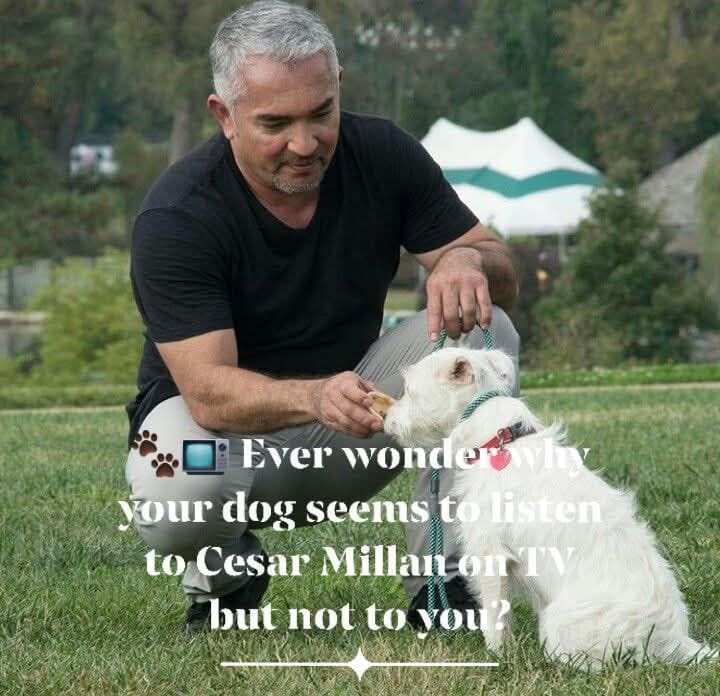
Renowned dog behaviorist Cesar Millan has built his entire training philosophy around the concept of energy. According to Millan, dogs respond not to what we say, but to what we project. He emphasizes “calm-assertive energy” as the foundation of effective leadership with dogs.
What does calm-assertive energy look like? It’s a state of quiet confidence—not aggressive, not passive, but balanced. When you project this energy, you communicate to your dog that you’re in control, that everything is safe, and that they can relax and trust your leadership.
Conversely, nervous, anxious, or frustrated energy tells your dog that something is wrong, triggering their instinct to become vigilant, protective, or reactive. Many behavioral problems—from leash aggression to separation anxiety—stem not from the dog’s temperament alone, but from the emotional state of their owner.
How Your Emotions Manifest in Your Dog’s Behavior
Anxiety Creates Anxiety
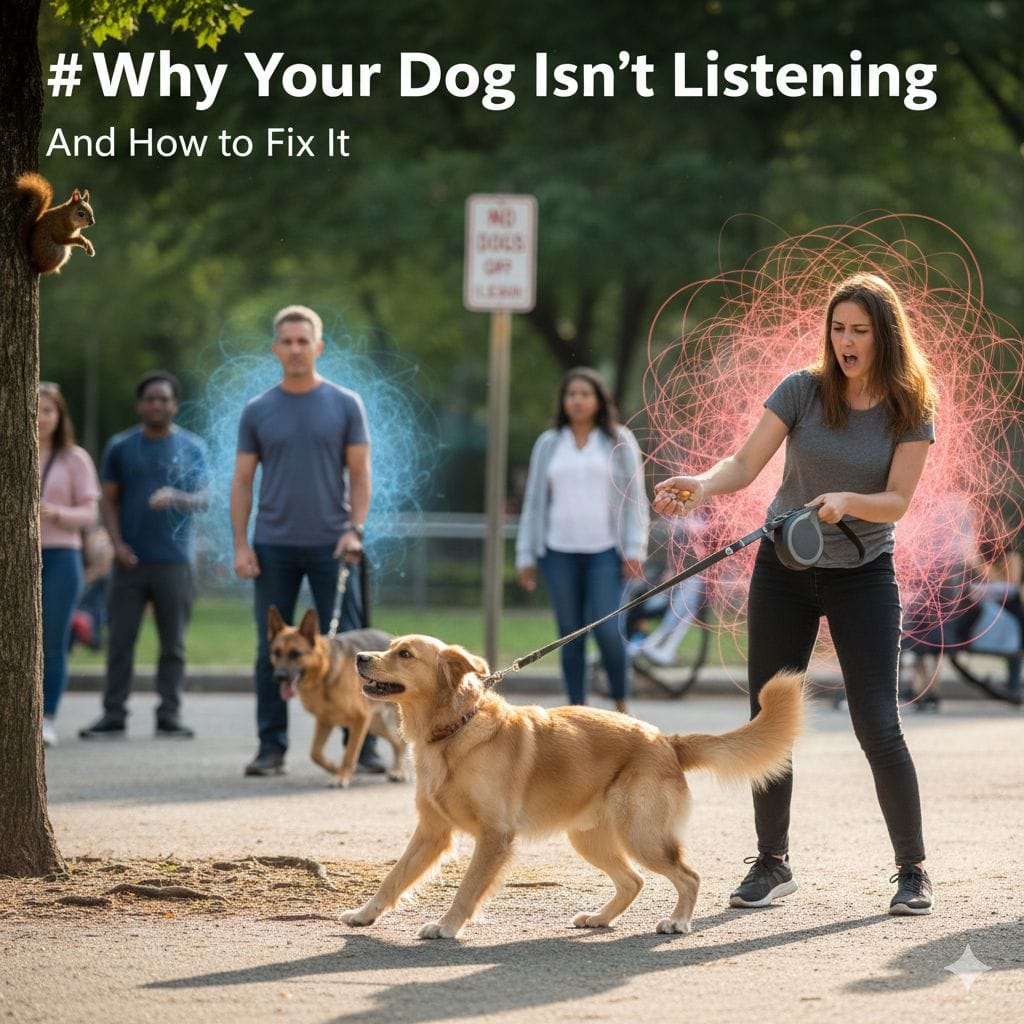
If you’re anxious about your dog’s behavior around other dogs, that nervousness travels straight down the leash. You might unconsciously tense up, shorten the leash, hold your breath, or brace for a reaction. Your dog feels all of this and thinks, “Something must be dangerous here. I need to protect us.” What follows is barking, lunging, or defensive behavior—not because your dog is inherently aggressive, but because they’re responding to your fear.
Frustration Breeds Reactivity
When you’re frustrated with your dog’s training progress or behavior, they sense your irritation. This creates stress for them, making it harder to learn and more likely to act out. Training sessions that begin with your frustration typically end with mutual exasperation and no progress.
Sadness and Depression Affect Energy Levels
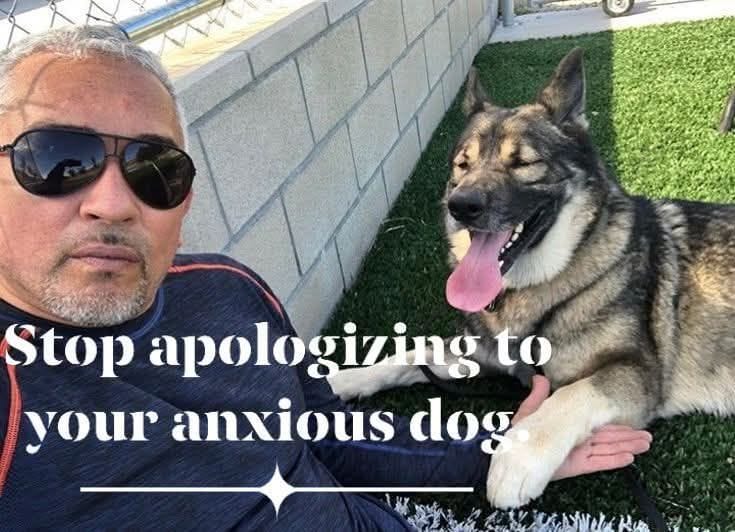
Dogs are incredibly empathetic. When you’re going through a difficult time emotionally, your dog may become more lethargic, less playful, or even develop behaviors like excessive licking or attention-seeking. They’re not just keeping you company—they’re absorbing and reflecting your emotional state.
Excitement Can Overstimulate
While positive emotions are wonderful, excessive excitement can also create problems. If you greet your dog with high-pitched squeals and animated movements every time you come home, you’re training them to match that frantic energy. This makes it nearly impossible to have a calm, well-mannered dog in exciting situations.
Real-World Examples: Energy in Action
The Nervous Rescue Dog Owner: Sarah adopted a rescue dog with a history of abuse. Understandably, she was worried about triggering his trauma. She walked on eggshells, spoke in hushed tones, and constantly watched him for signs of distress. Her hyper-vigilance and nervous energy actually made her dog more anxious. When she learned to project calm confidence—trusting that she could handle whatever arose—her dog’s anxiety diminished significantly.
The Frustrated Leash-Reactive Owner: Mike’s dog barked and lunged at every dog they passed on walks. Mike would get tense, anticipating the reaction, yanking the leash and shouting “No!” His frustration and anxiety created a feedback loop. When he learned to stay calm, relax his grip, and breathe through encounters, his dog’s reactivity decreased by more than half within weeks.
The Grieving Pet Parent: After losing her job, Jennifer fell into depression. Her normally energetic terrier became withdrawn and stopped playing. Her dog wasn’t sick—he was mirroring her emotional state. As Jennifer worked through her grief and deliberately engaged in play sessions (even when she didn’t feel like it), her dog’s energy returned.
Practical Steps to Transform Your Energy
1. Develop Self-Awareness
Before you can change your energy, you need to recognize it. Throughout the day, especially before interacting with your dog, pause and check in with yourself:
- How am I feeling right now?
- What’s my stress level?
- Am I tense anywhere in my body?
- How am I breathing?
This simple awareness is the first step toward conscious change.
2. Practice Calm-Assertive Energy
Calm-assertive energy is a skill you can develop through practice. Stand tall with your shoulders back, breathe deeply and slowly, and mentally affirm your confidence and control. Think of someone you admire who exudes calm confidence—channel that presence.
Before walks, training sessions, or any potentially stressful situation with your dog, take 60 seconds to center yourself. Breathe deeply, relax your jaw and shoulders, and set an intention to remain calm and in control.
3. Control Your Physical Signals
Your body language speaks louder than words. When you’re working with your dog:
- Keep your movements smooth and deliberate
- Maintain an upright, confident posture
- Relax your grip on the leash
- Avoid jerky or frantic movements
- Use slow, deep breaths
4. Manage Your Mental State
Your thoughts create your emotions, which create your energy. If you’re thinking “This walk is going to be a disaster” or “My dog is impossible to train,” you’re programming yourself for negative energy.
Instead, practice positive visualization. Before a walk, imagine yourself moving calmly and confidently with your dog walking peacefully beside you. This mental rehearsal creates the emotional state you want to project.
5. Create Pre-Activity Rituals
Establish calming rituals before activities with your dog. This might include five minutes of meditation, listening to calming music, or doing some gentle stretching. These rituals signal to your brain and body that it’s time to shift into a calm, focused state.
When Your Dog Needs You to Be Strong
There are moments when your emotional leadership is particularly crucial:
During thunderstorms or fireworks: If you comfort your frightened dog with anxious, worried energy, you reinforce their fear. Instead, remain calm and matter-of-fact, showing them through your energy that there’s nothing to worry about.
At the veterinarian: Your nervousness about vet visits creates anticipatory anxiety in your dog. Approach these appointments with calm confidence, and your dog will take their cues from you.
Meeting new dogs or people: Your tension or excitement sets the tone for these interactions. Calm, neutral energy allows your dog to assess the situation without your emotional interference.
During training: Frustration is the enemy of progress. If you’re getting frustrated during a training session, stop, reset your energy, and begin again—or end the session on a positive note and try again later.
The Ripple Effect: How Changing Your Energy Changes Everything
When you commit to managing your emotional energy around your dog, you’ll notice transformations that extend beyond your pet:
You’ll become more mindful and present in all areas of your life. The self-awareness required to monitor and adjust your energy is a skill that benefits every relationship and situation.
You’ll handle stress better. The breathing, body awareness, and emotional regulation you practice with your dog become tools you can use throughout your day.
Your relationship with your dog deepens. When you stop projecting anxiety, frustration, or fear onto your dog, you create space for genuine connection, trust, and joy.
The Bottom Line: You Set the Emotional Temperature
Your dog doesn’t need you to be perfect. They need you to be calm, confident, and consistent. They’re looking to you for leadership, for reassurance that the world is safe and that you have everything under control.
Before you blame your dog for their behavior, look honestly at the energy you’re bringing to the relationship. Are you projecting the calm-assertive leadership that creates a balanced, well-behaved dog? Or are you inadvertently fueling the very behaviors you’re trying to stop?
The beautiful truth is that you have more power than you realize. By mastering your own emotional energy, you hold the key to transforming your dog’s behavior. Your dog feels your emotions before you speak—make sure you’re communicating calm, confidence, and love.
Start today. Take a deep breath, stand tall, and step into the role of calm-assertive leader your dog is waiting for. The results will surprise you, and the bond you build will be unbreakable.