When Love Turns Into the Real Cause of Your Dog’s Behavior Problems
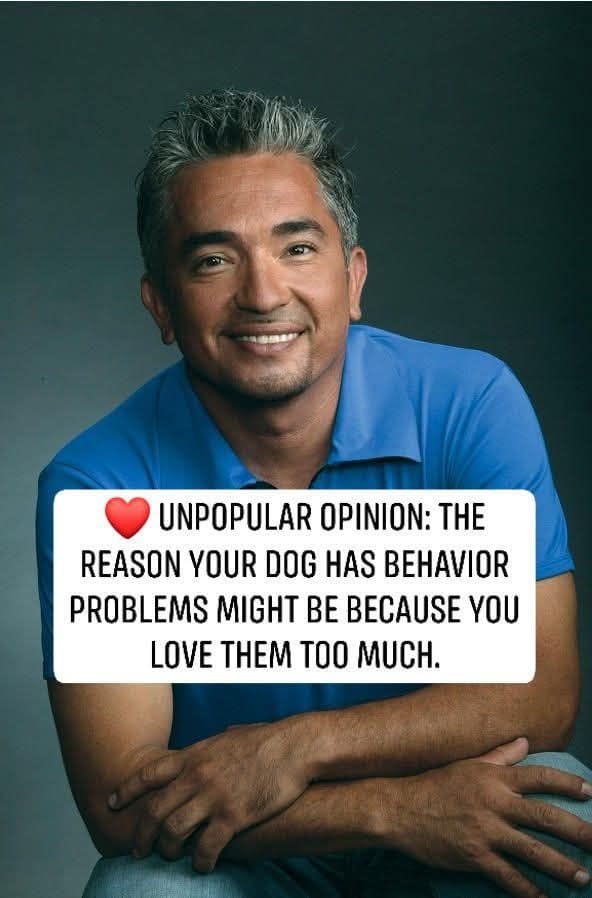
You adore your dog. You’d do anything for them. They sleep in your bed, eat special meals you prepare, and get more attention than most humans in your life. You love them fiercely, completely, unconditionally.
And that love might be ruining them.
It sounds harsh, but here’s the uncomfortable truth: yes, you can love your dog too much. Or more accurately, you can love them in the wrong way—a way that creates anxiety, insecurity, and behavioral problems that make both of you miserable.
This isn’t about loving your dog less. It’s about loving them better.
What “Too Much Love” Actually Looks Like
Let’s be clear: you can’t actually love your dog too much. Love isn’t the problem. But what we humans often call “love” is actually something else entirely—and it’s hurting our dogs.
When I say “loving your dog too much,” I’m really talking about:
- Constant attention and affection with no boundaries
- Treating your dog like a human child instead of a dog
- Avoiding any discomfort or challenge for your dog
- Letting emotional guilt override consistent rules
- Making your dog the center of your universe
This isn’t love. It’s anthropomorphization mixed with anxiety, and it creates deeply insecure, behaviorally unstable dogs.
Real love for your dog includes boundaries, structure, and sometimes saying no—even when those puppy eyes are breaking your heart.
The Problem With “Fur Baby” Culture
Let’s be honest: we’ve gone a little overboard with how we treat our dogs.
I say this as someone who absolutely adores dogs. But somewhere along the way, we started treating them less like dogs and more like furry children who need constant affection, entertainment, and emotional validation.
We carry them everywhere. We can’t bear to see them experience a moment of disappointment. We interpret every whine as a crisis. We shower them with constant attention, affection, and comfort.
And we wonder why they’re anxious, demanding, destructive, and unable to be alone for five minutes without melting down.
Here’s the uncomfortable truth: sometimes, loving your dog “too much”—or more accurately, loving them in the wrong ways—is exactly what’s causing their behavioral problems.
What “Too Much Love” Actually Looks Like
Let’s be clear: you can’t actually love your dog too much. Love isn’t the problem. But love without boundaries, structure, or discipline? That creates insecure, anxious, poorly behaved dogs.
Here’s what “too much love” usually looks like in practice:
You can’t stand to see them uncomfortable for even a moment. Your dog whines in their crate, so you let them out. They beg at the table, and you slip them scraps because those eyes are just too much. They paw at you for attention, and you immediately comply.
You prioritize their wants over their needs. Your dog wants to sleep in your bed, eat from your plate, and have your attention 24/7. But what they need is structure, boundaries, and the security that comes from clear leadership.
You’ve made them the center of your universe. Your schedule revolves entirely around your dog. You feel guilty leaving them alone for even an hour. You rush home from every social event because you can’t stand the thought of them missing you.
Sound familiar?
The Problem With Unlimited Love
Here’s the uncomfortable truth: you can absolutely love your dog too much—or more accurately, you can love them in the wrong way.
I’m not talking about the emotion of love. You can feel as much affection for your dog as you want. The problem is when that love translates into behaviors that actually harm your dog’s wellbeing and create the very problems you’re trying to avoid.
Overindulgent love—the kind that can’t say no, can’t set boundaries, and can’t tolerate any moment of dog discomfort—doesn’t create a happy, confident dog. It creates an anxious, poorly behaved one.
The Uncomfortable Truth About “Spoiling” Your Dog
We use the word “spoiled” as if it’s cute. “Oh, he’s so spoiled!” we say with a laugh as our dog jumps on guests or barks demanding attention.
But spoiling a dog isn’t harmless. When you remove all boundaries, expectations, and structure from your dog’s life in the name of love, you’re not doing them a favor. You’re creating anxiety, confusion, and behavioral problems.
Dogs are den animals with pack instincts. They’re hardwired to thrive within clear structures and boundaries. When we love them so much that we can’t bear to say “no” or enforce rules, we’re not being kind. We’re creating insecurity.
A dog without boundaries is like a child without bedtime—they might think they want unlimited freedom, but it actually makes them anxious and poorly behaved.
The Signs You Might Love Your Dog “Too Much”
Let’s be clear: you can’t love your dog too much emotionally. The bond you share is beautiful and important. But you absolutely can express that love in ways that harm your dog’s wellbeing and behavior.
Here’s what that looks like:
You Can’t Stand to See Them Uncomfortable
Your dog whines in their crate, so you let them out. They beg at the table with those puppy eyes, so you slip them scraps. They don’t like the rain, so you skip the walk.
Every time you rescue your dog from mild discomfort, you’re robbing them of the chance to build resilience and frustration tolerance. You’re also teaching them that whining, pawing, and persistence pay off.
Dogs need to experience small disappointments and learn to self-soothe. A dog who never hears “no” or “wait” becomes an anxious, demanding dog who falls apart when they can’t get what they want immediately.
You Let Them Sleep in Your Bed (Even Though It’s Causing Problems)
There’s nothing inherently wrong with dogs sleeping in your bed—if they’re well-behaved and it works for your household. But if your dog has aggression issues, separation anxiety, or guards the bed from your partner, letting them sleep with you is actively making the problem worse.
The same goes for furniture privileges. If your dog growls when you try to move them off the couch, they’re not just being grumpy. They’ve been allowed to claim resources that should be yours to control.
Love doesn’t mean zero boundaries. Sometimes the kindest thing you can do is establish structure, even when those puppy dog eyes are begging you to cave.
When Affection Becomes Anxiety
Here’s something most dog owners don’t realize: constant attention and affection can actually make your dog more anxious, not less.
When you hover over your dog constantly—petting them every time you walk by, talking to them in a high-pitched voice all day, making a huge fuss every time you leave or return—you’re creating an unhealthy level of attachment and arousal.
Dogs need downtime. They need to learn to self-soothe and be calm. A dog who receives attention 24/7 never develops independence or emotional regulation. They become velcro dogs who can’t handle being alone for five minutes without panicking.
This shows up as:
- Separation anxiety when you leave
- Constant demand for attention
- Inability to settle and relax
- Reactivity when you interact with other people or pets
It’s not cruelty to ignore your dog sometimes. It’s actually a gift. You’re teaching them that they’re safe and secure even when you’re not actively engaging with them.
You’ve Replaced Structure With Affection
Love without boundaries isn’t love—it’s chaos.
Many well-meaning dog owners shower their dogs with affection but provide zero structure. No consistent rules. No clear expectations. Just unlimited freedom and constant emotional validation.
It feels like love. It looks like love. But from your dog’s perspective, it’s deeply unsettling.
Dogs are den animals who evolved in structured pack environments. They’re actually more comfortable when they understand the rules and boundaries. When everything is permissive and there’s no clear leadership, many dogs become anxious because they feel like they have to make all the decisions.
Think about it from your dog’s perspective: if no one is clearly in charge, then they must be. And that’s stressful for a dog.
The most common manifestation of this? Separation anxiety. The dog who’s been treated like an equal partner—sleeping in your bed, going everywhere with you, never hearing “no”—is the dog who falls apart when you leave. Because they don’t see you as their calm, capable leader. They see you as a littermate they can’t stand to be separated from.
The Problem With Treating Dogs Like Human Children
We’ve anthropomorphized our dogs to an extreme degree. We throw them birthday parties. We buy them wardrobes. We refer to ourselves as “dog moms” and “dog dads.”
None of that is inherently harmful. The problem comes when we start treating dogs like human children emotionally—projecting our human needs for constant affection and reassurance onto animals with completely different emotional frameworks.
Dogs don’t need constant verbal affirmation. They don’t need to sleep in your bed to know you love them. They don’t need to go everywhere you go.
What they actually need: clear boundaries, consistent leadership, adequate exercise, mental stimulation, and yes, affection—but balanced with structure.
When “love” means letting your dog rule your household, never telling them “no,” and catering to their every whim, that’s not love. That’s anxiety-inducing chaos for an animal that thrives on predictable structure.
The Signs You Might Be Loving Your Dog Too Much
1. Your dog can’t handle being alone
If your dog has a meltdown every time you leave the house—destructive behavior, excessive barking, house soiling—you might have created separation anxiety through over-attachment.
Dogs need to learn that being alone is safe and normal. When we never leave their side, never create distance, and treat every separation like an emotional event, we teach them that being apart is terrifying.
2. Your dog doesn’t respect boundaries
Does your dog jump on guests despite your protests? Demand attention constantly? Push into your space, steal food, or ignore basic commands?
This isn’t a “spirited” personality. It’s a dog who has never been taught that the world doesn’t revolve around them. And that’s a failure of leadership, not evidence of love.
3. You can’t say “no” without feeling guilty
Your dog begs at the table. You know you shouldn’t give in. But those eyes! You slip them a piece of chicken “just this once.” Again.
If you can’t enforce simple boundaries without feeling like a monster, you’re not loving your dog—you’re loving your idea of being a loving owner. And your dog pays the price in confusion and poor behavior.
4. Your dog’s needs always come before yours
You skip social events because your dog might be lonely. You don’t go on vacation because your dog “wouldn’t understand.” You organize your entire life around avoiding any moment of potential discomfort for your pet.
This level of self-sacrifice isn’t healthy for you, and it’s not what your dog needs. Dogs are incredibly adaptable. They can handle occasional disruptions to routine. Teaching them resilience is actually a gift.
5. Your dog shows signs of stress despite all your attention
Ironically, over-loved dogs are often anxious dogs. They pace, whine, can’t settle, follow you from room to room obsessively, or show stress signals like excessive licking or panting.
Why? Because you’ve made yourself the center of their universe. Without you, they have no coping skills. That’s an enormous emotional burden to place on an animal.
What Balanced Love Actually Looks Like
Real love for your dog includes discipline. Structure. Boundaries. Sometimes letting them be bored or disappointed.
Healthy dog love means:
- Teaching your dog to be calm and independent, not just attached to you
- Saying “no” when appropriate and enforcing it consistently
- Providing adequate physical and mental exercise, not just affection
- Creating rules and sticking to them, even when those puppy eyes plead
- Allowing your dog to experience mild discomfort (waiting for food, being left alone for reasonable periods) as part of building resilience
- Prioritizing what your dog needs over what makes you feel like a good owner
The best-behaved, most confident, happiest dogs I’ve ever met had owners who loved them deeply but treated them like dogs, not furry children.
These owners set clear expectations. They required respectful behavior. They provided leadership. And yes, they also provided plenty of affection—but affection earned through good behavior, not given indiscriminately regardless of how the dog acted.
The Culture of Over-Loving Dogs
We’re living in an era of pet humanization. Dogs have birthday parties, wear costumes, get pushed in strollers, eat gourmet meals, and sleep in human beds wearing pajamas.
Some of this is harmless fun. But when it crosses into treating dogs as emotional equivalents to human children, we create animals who can’t function as dogs.
Social media makes it worse. We see videos of dogs being pampered and coddled, and we think that’s what good dog ownership looks like. We see content celebrating dogs with “attitudes” or “sass,” not recognizing these are often behavioral issues being romanticized.
The truth is less cute: most behavioral problems stem from lack of structure, inconsistent boundaries, and too much emotional enmeshment between owner and dog.
How to Love Your Dog Better
If you recognize yourself in any of this, don’t panic. You can recalibrate the relationship.
Start here:
- Implement basic boundaries. Your dog doesn’t get to demand attention. They ask (by sitting calmly) and you decide when to give it.
- Practice departures. Leave for short periods regularly. Don’t make a big emotional deal about coming or going. Normalize separation.
- Require calm behavior before rewards. Food, walks, play, affection—all come after your dog is calm and settled, not during excited or demanding behavior.
- Exercise your dog’s body and brain daily. Tired, mentally stimulated dogs are calm dogs. This isn’t optional.
- Stop projecting human emotions onto your dog. Your dog isn’t “mad” at you. They’re not holding grudges. They don’t need constant reassurance. They need consistent, calm leadership.
- Get comfortable with mild disappointment. Your dog can handle not getting what they want sometimes. In fact, learning to cope with disappointment is crucial for emotional stability.
The Bottom Line
You cannot love your dog too much. But you can love them in the wrong ways.
Love is not permissiveness. Love is not avoiding all discomfort. Love is not making your dog the center of the universe.
Love is providing what your dog actually needs to thrive: structure, boundaries, exercise, mental stimulation, and yes, affection—balanced with leadership.
The most loving thing you can do for your dog is raise them to be confident, calm, and capable. Not dependent, anxious, and out of control.
Your dog doesn’t need you to be their best friend. They need you to be their leader. When you provide that, the bond you build is deeper than any amount of coddling could ever create.
That’s real love.