
Training vs Structure: The Missing Piece in Most Homes
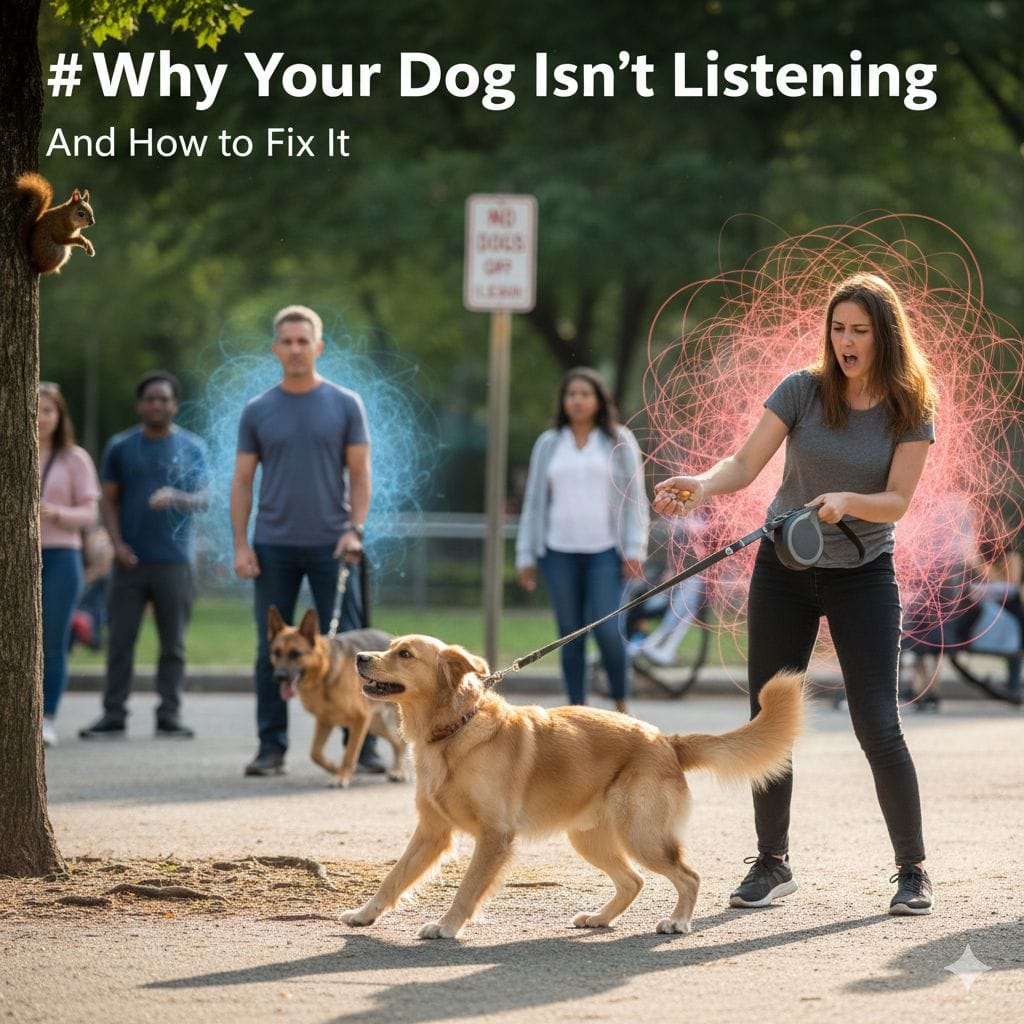
You’ve taught your dog to sit. He knows “down” and “stay.” He can even shake hands on command. So why does he still pull on the leash, jump on guests, and ignore you when something more interesting catches his attention?
Here’s the truth most dog trainers won’t tell you: your dog doesn’t need more training — he needs structure.
The Difference Between Training and Structure
Training teaches your dog what to do. Structure teaches your dog how to be.
Think about it like raising a child. You can teach a kid to say “please” and “thank you,” but without consistent boundaries and expectations throughout the day, those polite words become meaningless. The same principle applies to your dog.
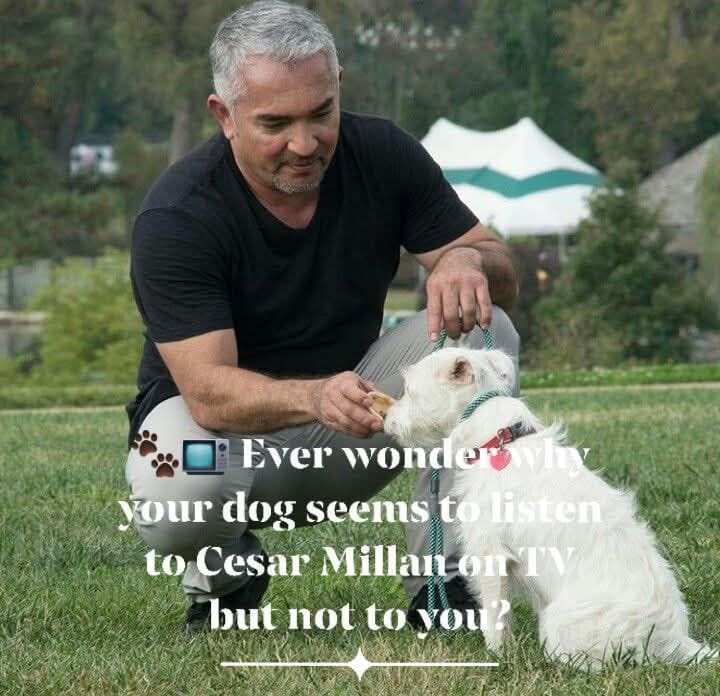
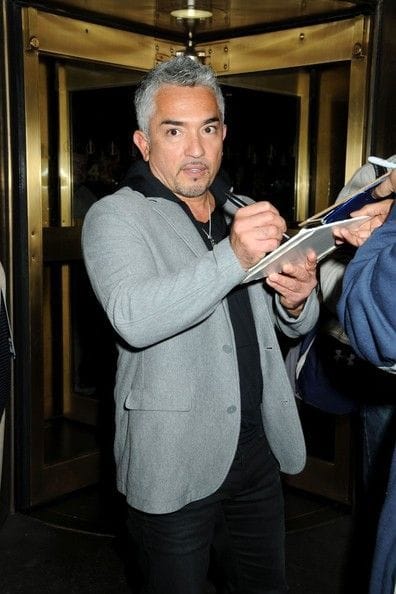
Cesar Millan has been saying this for years: dogs don’t need us to be their friend or their teacher in the traditional sense. They need us to be their pack leader, providing clear rules, boundaries, and limitations.
What Structure Actually Looks Like
Structure isn’t about drills or training sessions. It’s about creating a predictable framework for daily life that satisfies your dog’s instinctual need for order and leadership.
Here’s what structure means in practice:
You control resources. Your dog doesn’t decide when it’s time to eat, play, or go outside. You do. He waits calmly while you prepare his food. He sits before you throw the ball. This isn’t being mean — it’s being a leader.
You claim your space. Your dog doesn’t jump on the couch whenever he wants or push past you through doorways. He learns that certain spaces are yours unless invited. This creates respect and reduces anxiety about who’s in charge.
You set the pace on walks. The walk isn’t about your dog dragging you to every interesting smell. It’s about moving together as a unit, with you determining the direction and speed. A structured walk is one of the most powerful tools you have.
Calm energy is the default. Before anything exciting happens — food, walks, play — your dog must be in a calm state. No feeding frenzy at dinner time, no losing his mind when the leash comes out. Excitement is earned, not demanded.
Why Dogs Actually Crave Structure
In the wild, dogs live in packs with clear hierarchies and rules. There’s no democracy about when to hunt or where to sleep. The pack leader makes decisions, and everyone else follows. This system creates stability and reduces stress.
When you bring a dog into your home without providing structure, you’re asking him to make decisions he’s not equipped to make. Should he guard the house from that delivery person? Is he supposed to protect you from that other dog on the walk? When nobody’s clearly in charge, your dog feels compelled to step up — and that’s when behavioral problems begin.
A dog with structure knows his place in the pack. He can relax because he trusts you to handle the decisions. That constant low-level anxiety many dogs carry simply disappears when they understand the rules.
The Problem With Training Alone
Traditional dog training focuses on obedience commands, which have their place. But a dog can know fifty commands and still be anxious, reactive, or disobedient when it counts.
Why? Because training is situational. Your dog learns that “sit” means sit during a training session, maybe when you’re holding a treat. But training doesn’t teach him how to exist in the world or relate to you as a leader.
You can train a dog to sit on command but still have him pull you down the street, bark at the doorbell, or steal food from the counter. That’s because he’s learned a trick, not a way of being.
Structure fills that gap. It’s not about what your dog can do on command — it’s about who makes the decisions in your household.
How to Start Building Structure Today
The beauty of structure is that it doesn’t require special equipment or training classes. It just requires consistency and a shift in how you approach your dog.
Start with meal times. No more free-feeding. Your dog eats at set times, and he waits calmly while you prepare his food. He sits before the bowl goes down. This simple ritual establishes you as the provider and decision-maker.
Take control of the walk. Before you even step outside, your dog should be calm. No pulling toward the door, no spinning in circles. The walk begins when you say it begins, and you determine the route and pace. Your dog walks beside you, not ahead dragging you along.
Create boundaries in your home. Pick a space that’s yours — maybe the couch or your bedroom — and enforce that boundary consistently. Your dog learns that he doesn’t have automatic access to everything, which reinforces your leadership role.
Practice impulse control throughout the day. Your dog waits before going through doors. He sits before getting his leash attached. He stays calm before getting petted. Every single interaction becomes an opportunity to reinforce structure.
The Energy Shift
Here’s where Cesar Millan’s philosophy really shines: structure isn’t just about rules. It’s about energy.
When you provide structure, your energy shifts from reactive to proactive. You’re no longer responding to your dog’s demands or chaos. You’re calmly setting the tone for how things work in your home.
Dogs read energy before they respond to words. A calm, assertive energy that expects compliance is far more effective than yelling commands or bribing with treats. When you embody leadership through your energy and consistency, your dog naturally falls in line.
Structure Creates Freedom
The irony is that structure actually gives your dog more freedom, not less. A dog with clear boundaries and strong leadership is confident and relaxed. He can be off-leash at the park because he’s learned impulse control. He can meet new people without jumping because he understands how to behave.
Without structure, you’re constantly managing behavior problems. With structure, those problems simply don’t develop in the first place.
The Bottom Line
Training has its place. Teaching your dog basic commands is useful and can even be fun. But if you’re struggling with behavioral issues despite all that training, you’re missing the foundation: structure.
Your dog doesn’t need to learn more tricks. He needs to understand the rules of your household and trust you to lead. He needs consistent boundaries, calm energy, and clear expectations every single day.
Give your dog what he’s actually asking for — not more training sessions, but the structured, predictable life that lets him finally relax and just be a dog.
Start today. Take back control of the walk. Claim your space. Make your dog wait calmly before anything exciting happens. You’ll be amazed how quickly things shift when you stop training and start leading.