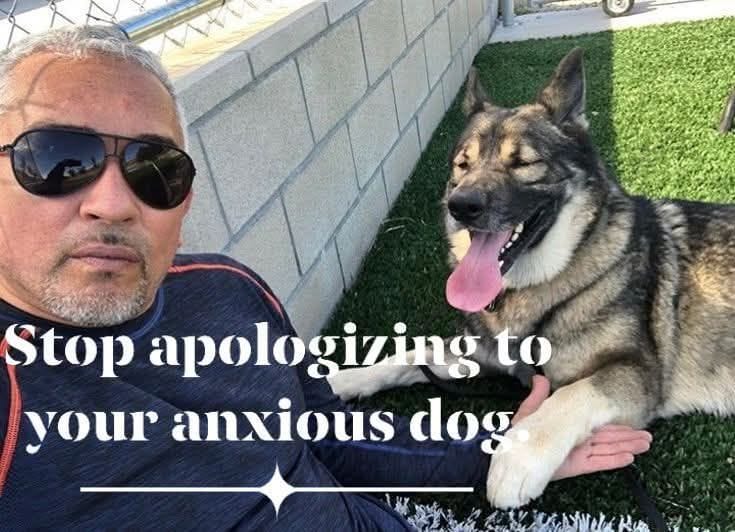
This One Mistake Creates Behavior Problems for Life
You bring home your adorable new puppy or rescue dog. They’re sweet, cuddly, and a little nervous. Naturally, you want to help them feel safe and loved.

So you let them sleep in your bed that first night. You pick them up when they whine. You allow them on the furniture to comfort them. You shower them with constant attention because they seem anxious alone.
It feels like the loving thing to do. But this approach—being overly permissive during the adjustment period—is the single biggest mistake new dog owners make. And it creates behavior problems that can last a lifetime.
Why the First Few Weeks Matter So Much
The first 2-3 weeks with a new dog are critical. This is when your dog is learning the rules of your household. They’re figuring out what behaviors get rewarded, what gets attention, and what the boundaries are.
Dogs are incredibly adaptable, but they’re also opportunistic learners. Every behavior you allow during this honeymoon period becomes the expected norm in your dog’s mind.
When you suddenly try to change the rules after a few weeks—no more bed, no more constant attention, no more jumping—your dog doesn’t understand. From their perspective, you’ve changed the agreement. This confusion leads to anxiety, frustration, and problematic behaviors.
The Permission Problem: What Really Happens
Here’s what the “anything goes” approach typically looks like:
Constant Physical Contact: You hold, pet, or stay next to your dog nearly all day because they seem needy.
No Alone Time: Your dog is never left alone, not even for a few minutes, because you don’t want them to feel abandoned.
Furniture Free-For-All: They’re allowed on all furniture immediately because it seems cruel to make them stay on the floor.
Attention on Demand: Every whine, bark, or paw gets an immediate response because you think they need something.
No Structure or Routine: Meals, walks, and playtime happen randomly because you’re “going with the flow.”
These seem harmless or even kind. But they’re setting your dog up for serious problems.
The Behavior Problems This Creates
Separation Anxiety
When dogs never learn to be alone, even briefly, they become panicked when you eventually need to leave. This manifests as destructive behavior, constant barking, house soiling, and genuine distress.
Separation anxiety is one of the most difficult behavior problems to fix and one of the top reasons dogs are surrendered to shelters.
Attention-Seeking Behaviors
Dogs who receive attention for every noise or movement learn that demanding behavior works. This escalates into constant barking, pawing, jumping, and even nipping to get your focus.
Resource Guarding and Possessiveness
Dogs allowed everywhere immediately often become possessive of furniture, spaces, and even people. They may growl, snap, or guard these “resources” aggressively when asked to move.
No Impulse Control
Without boundaries, dogs never develop the ability to wait, be patient, or self-soothe. This leads to hyperactivity, destructiveness, and inability to calm down.
Leash Reactivity and Overexcitement
Dogs without structure often become overstimulated easily. They pull frantically on leash, lunge at other dogs, and cannot focus on their owner in public.
What You Should Do Instead
The solution isn’t being mean or withholding love. It’s providing structure from day one.
Establish a Consistent Routine Immediately
Feed meals at the same times daily. Schedule walks, play sessions, and quiet time predictably. Dogs feel secure when they know what to expect.
Practice Separation from Day One
Even if you’re home, use baby gates or closed doors to practice short separations. Start with 5 minutes and gradually increase. Your dog needs to learn that being alone is normal and temporary.
Set Furniture Rules and Stick to Them
Decide now where your dog is allowed. If they won’t be allowed on the couch long-term, don’t allow it now. If you want them on furniture, teach “up” and “off” commands so it’s on your terms, not theirs.
Reward Calm, Independent Behavior
When your dog lies down quietly or entertains themselves with a toy, acknowledge it with calm praise or a treat tossed their way. You’re teaching them that calm behavior gets rewarded.
Ignore Attention-Seeking
If your dog whines, barks, or paws for attention when nothing is actually wrong, ignore it completely. Turn away, don’t make eye contact, stay silent. When they settle, then give attention.
This feels harsh at first, but you’re teaching them that calm, polite behavior is what earns your focus.
Create a Safe Space
Set up a crate, pen, or designated area where your dog can relax. Make it positive with treats and toys. This becomes their den—a place they can decompress without needing you.
The Right Way to Show Love
Structure isn’t the opposite of love. It’s actually the deepest form of care you can provide.
Dogs are descended from pack animals with clear social structures. They feel anxious and stressed without boundaries, not comforted. A dog with rules and routine is a confident, secure dog.
You can still be affectionate, playful, and bonding. The difference is doing these things on a schedule and in ways that teach good behavior, not accidentally reward bad habits.
Pet your dog when they’re calm, not when they’re demanding. Play energetically during designated playtime, then enforce quiet time after. Show love through consistency, not permissiveness.
When It’s Too Late: Can You Fix It?
If you’re reading this and recognizing you’ve already made these mistakes, don’t panic. Behavior problems caused by lack of structure can be fixed, but it requires commitment.
You’ll need to implement the structure you should have started with, which means your dog will likely protest the new rules. There will be an “extinction burst”—a period where behavior gets worse before it improves as your dog tests whether the old tactics still work.
Stay consistent. Don’t cave during the difficult period. Most dogs adjust to new rules within 2-4 weeks if you remain firm and fair.
For serious issues like severe separation anxiety or aggression, work with a certified dog trainer or veterinary behaviorist.
The Bottom Line
The biggest mistake isn’t being too strict with a new dog. It’s being too lenient.
Those first few weeks set the foundation for your dog’s entire life with you. A little structure now prevents years of frustration and behavior problems later.
Your dog doesn’t need a best friend who lets them do whatever they want. They need a confident leader who provides clear expectations, consistent boundaries, and the security that comes from knowing the rules.
That’s not being mean. That’s being a responsible dog owner.
Start as you mean to continue. Your future self—and your dog—will thank you.