The Truth About Dog Aggression Most Owners Don’t Understand
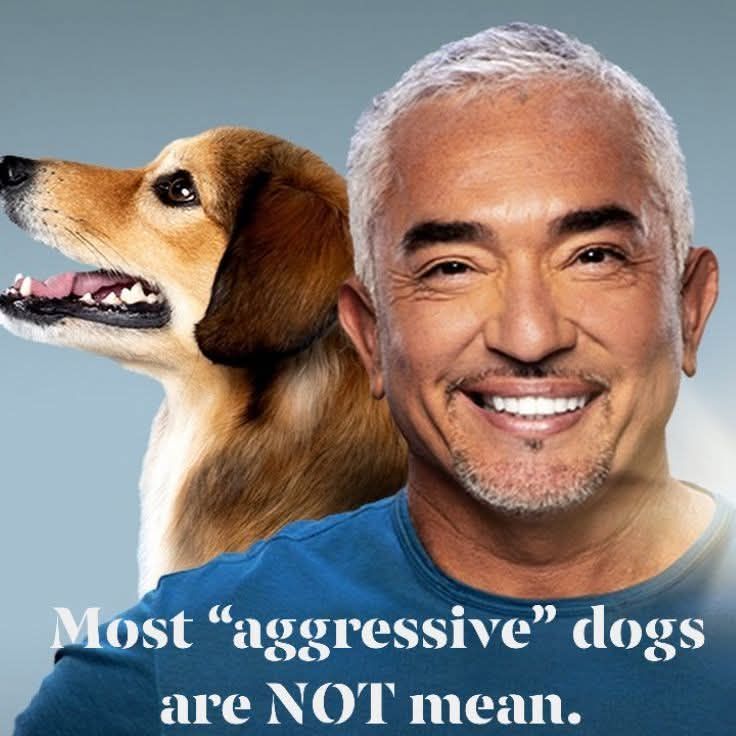
Aggressive Dogs: Mean or Afraid?
When people hear the words “aggressive dog,” they often imagine a dangerous, mean animal that can’t be trusted.
But here’s the truth most dog owners don’t understand:
👉 Most aggressive dogs are not bad dogs. They are scared dogs.
Dog aggression is one of the most misunderstood behaviors in the canine world. Many loving, well-cared-for dogs show aggression—not because they’re dominant, stubborn, or “evil,” but because they’re afraid, confused, or overwhelmed.
In this article, you’ll discover what dog aggression really means, why it happens, and how understanding fear can completely change the way you see (and help) your dog.
What Is Dog Aggression, Really?
Dog aggression is any behavior intended to create distance from a perceived threat.
That threat could be:
- A stranger
- Another dog
- A child
- A loud noise
- Even you
Aggression can look like:
- Growling
- Snapping
- Lunging
- Biting
- Freezing with a stiff body
⚠️ Important: Aggression is communication, not disobedience.
Dogs don’t attack “out of nowhere.” They escalate when their earlier signals are ignored.
Mean Dog or Fearful Dog? The Big Misconception
One of the biggest myths in dog training is this:
“My dog is aggressive because he wants to dominate.”
Modern behavioral science has proven this idea wrong.
The reality:
✅ Fear is the #1 cause of aggression in dogs
A fearful dog may:
- Feel trapped
- Feel threatened
- Expect pain or punishment
- Lack confidence
When a dog believes it cannot escape, it chooses the only option left: defense.
Aggression is often the dog saying:
“Please back off. I don’t feel safe.”
Common Causes of Fear-Based Aggression
Understanding the cause is the first step to fixing the behavior.
1. Poor Socialization
Dogs that weren’t properly exposed to people, dogs, sounds, and environments during puppyhood often grow up insecure.
New situations feel dangerous because they’re unfamiliar.
2. Past Trauma or Abuse
Rescue dogs or dogs with rough histories may associate certain things with pain or fear:
- Men
- Children
- Leashes
- Hands reaching toward them
Their aggression is self-protection, not hatred.
3. Pain or Medical Issues
A dog in pain is a dog on edge.
Arthritis, dental pain, injuries, or internal illness can drastically lower a dog’s tolerance.
When touched, they may react aggressively simply because it hurts.
4. Lack of Clear Leadership
Dogs feel safer when they trust someone else to handle threats.
When humans are inconsistent, anxious, or permissive, dogs may feel forced to take control—through aggression.
This isn’t dominance.
It’s stress.
Warning Signs Owners Often Miss
Most bites don’t happen without warning. Owners just don’t recognize the signs.
Watch for:
- Lip licking
- Yawning when not tired
- Turning the head away
- Whale eye (showing the whites of the eyes)
- Freezing suddenly
Ignoring these signals teaches the dog:
“The only thing that works is snapping.”
Why Punishment Makes Aggression Worse
Yelling, hitting, shock collars, or harsh corrections may suppress behavior—but they increase fear.
A punished dog learns:
- Humans are unpredictable
- Warning signals are unsafe
- Next time, bite faster
Punishment doesn’t fix aggression.
It loads the gun and removes the safety.
How to Help an Aggressive (Fearful) Dog
Aggression is fixable—but not with shortcuts.
1. Rule Out Medical Issues
Always start with a vet check. Pain changes everything.
2. Build Trust, Not Fear
Your dog must feel safe around you before behavior can change.
That means:
- Calm energy
- Predictable routines
- Clear boundaries
- No intimidation
3. Manage the Environment
Don’t force your dog into situations they can’t handle yet.
Management is not failure—it’s smart leadership.
4. Desensitization and Counter-Conditioning
Gradually expose your dog to triggers at a safe distance, while pairing them with positive experiences.
This teaches the brain:
“This thing is not dangerous.”
5. Seek Professional Help
Aggression is not a DIY YouTube project.
A qualified dog behaviorist can:
- Identify the true cause
- Create a tailored plan
- Keep everyone safe
Final Truth: Aggressive Dogs Are Not Broken
An aggressive dog is usually:
- Afraid
- Insecure
- Overwhelmed
- Trying to survive
When you change your mindset from “control the dog” to “understand the dog,” everything changes.
Aggression is not a character flaw.
It’s a cry for help.
And with patience, leadership, and compassion, most aggressive dogs can learn to feel safe again.