The Most Common Dog Behavior Problems and How Cesar Millan Solves Them
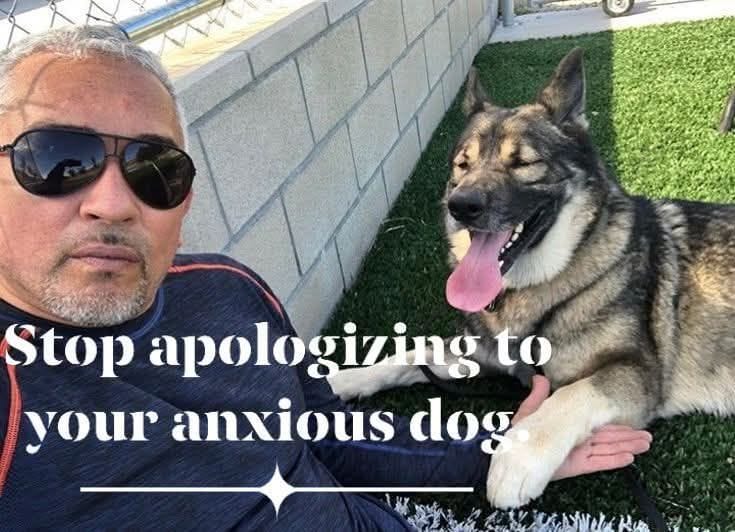
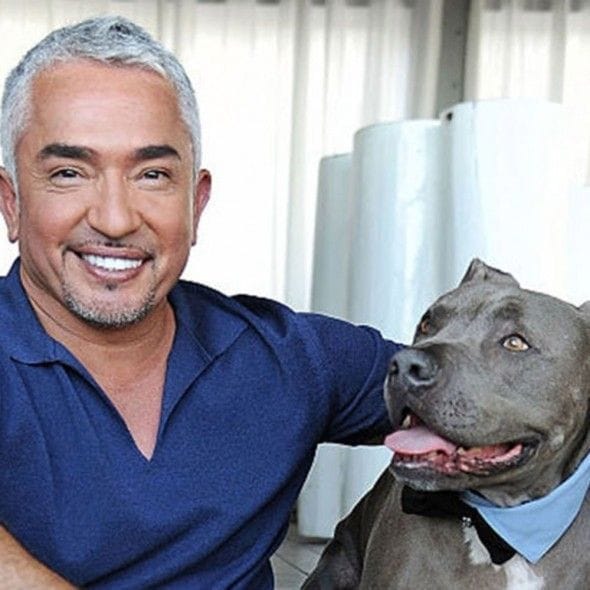
Dog behavior problems can transform the joy of pet ownership into a daily challenge. From excessive barking to leash aggression, these issues affect millions of dog owners worldwide. Cesar Millan, renowned dog behaviorist and star of Dog Whisperer with Cesar Millan, has dedicated his career to helping dogs and their owners achieve balanced, harmonious relationships through understanding canine psychology.

With decades of experience at his Dog Psychology Center and through his television programs, Millan has developed proven techniques that address the root causes of dog behavior problems. His approach focuses on fulfilling a dog’s natural needs and establishing clear leadership, rather than simply treating symptoms. This comprehensive guide explores the most common dog behavior issues and reveals how Cesar Millan’s methods can transform even the most challenging dogs.
Understanding Cesar Millan’s Philosophy
Before diving into specific behavior problems, understanding the foundation of Cesar Millan’s approach is essential. His methodology centers on three core principles that set him apart from traditional dog training.
Exercise, Discipline, and Affection: The Hierarchy of Needs
Millan emphasizes that dogs have three primary needs that must be fulfilled in a specific order:
- Exercise: Dogs require both physical and psychological engagement daily. Without adequate exercise, excess energy manifests as behavioral problems.
- Discipline: Clear rules, boundaries, and limitations provide structure that dogs naturally crave as pack animals.
- Affection: Only after exercise and discipline needs are met should affection be given as a reward for calm, balanced behavior.
This hierarchy is crucial because many dog owners reverse the order, leading to imbalanced, anxious dogs with behavioral issues.
The Power of Calm-Assertive Energy
One of Millan’s most critical concepts is projecting calm-assertive energy as the pack leader. Dogs are highly sensitive to human energy and emotions. When owners display fearful, anxious, or overly affectionate energy at inappropriate times, they trigger similar states in their dogs. Millan teaches that the energy you project as the pack leader can have significant psychological effects on your dog, whether positive or negative. Halo Collar
Establishing yourself as a confident, calm pack leader provides dogs with the security and structure they need to feel safe and behave appropriately.
Problem 1: Excessive Barking
Barking is natural dog communication, but excessive barking disrupts households and neighborhoods. Understanding why dogs bark excessively is the first step toward solving this common problem.
Why Dogs Bark Excessively
Common triggers for excessive barking include:
- Boredom (the top reason)
- Territorial responses
- Separation anxiety
- Pain or illness
- Attention-seeking behavior
Cesar Millan’s Solution
Millan’s approach to excessive barking is straightforward and addresses the root cause. First, ensure your dog receives adequate physical and psychological engagement every single day. A tired dog is a quiet dog. Bored dogs bark because they have excess energy and no appropriate outlet.
Second, establish yourself as the pack leader through calm-assertive energy. When your dog barks inappropriately, correct the behavior immediately with a firm but calm correction. Consistency is paramount – you cannot allow barking sometimes and correct it other times.
Rather than shouting or getting frustrated, which adds to the chaotic energy, remain calm and redirect your dog’s focus. Use vocal marks, gestures, and body language rather than excessive speech. Dogs respond to energy and clear communication more than words.
Problem 2: Leash Pulling and Leash Aggression
Leash reactivity transforms peaceful walks into stressful battles. Dogs that pull, lunge, bark, or show aggression while on leash create dangerous situations and make exercise challenging for owners.
Understanding Leash Issues
Leash aggression and pulling stem from multiple causes. When dogs are restrained by a leash, they may feel trapped and unable to escape perceived threats, triggering aggressive displays. Tension in the leash creates tension in the dog, leading to frustration that can escalate into aggression. Dogs that pull constantly never develop impulse control or frustration tolerance.
Additionally, tight leashes communicate stress from the owner to the dog, increasing anxiety. Many owners unknowingly reinforce pulling behavior by allowing dogs to drag them forward, teaching the dog that pulling achieves their goals.
Cesar Millan’s Solution
Millan emphasizes that mastering the walk is fundamental to the human-dog relationship. Wikipedia The walk is not just exercise – it’s a structured activity that establishes leadership and fulfills your dog’s primal need to migrate with the pack.
The key principle is maintaining a loose leash at all times. A slack leash indicates a calm, balanced dog following their leader. Before leaving the house, ensure your dog is in a calm state. Make your dog wait at doorways and thresholds, reinforcing that you control the walk.
During the walk, use calm, short corrections when the dog pulls or becomes reactive. Millan teaches owners to maintain calm-assertive energy and clear body language. Stop walking immediately when the dog pulls – only move forward when the leash is slack. This teaches the dog that pulling prevents progress.
For leash aggression toward other dogs or people, create space from triggers while working on desensitization. Millan often brings balanced dogs from his pack to help reactive dogs learn appropriate behavior through modeling and balanced energy transfer.
Problem 3: Separation Anxiety
Separation anxiety manifests as destructive behavior, excessive barking, house soiling, and frantic behavior when owners leave. This distressing condition affects both dogs and owners significantly.
Why Separation Anxiety Develops
Separation anxiety often stems from an imbalanced relationship where the dog perceives itself as responsible for the owner’s safety or depends too heavily on the owner for emotional stability. When the pack leader (you) leaves, the dog experiences extreme stress because they feel abandoned or responsible.
Cesar Millan’s Solution
Millan’s approach focuses on establishing proper pack leadership and ensuring the dog is physically and mentally fulfilled before you leave. A tired dog with a calm state of mind is less likely to experience anxiety.
Exercise your dog vigorously before departures – a long walk or run depletes excess energy that would otherwise fuel anxiety. Create a predictable routine but avoid emotional departures and arrivals. Don’t make a big fuss when leaving or returning home, as this heightens the emotional significance of your absence.
Practice gradual desensitization by leaving for very short periods initially, then slowly extending the duration. Establish rules and boundaries consistently so your dog understands their place in the pack structure and trusts your leadership even in your absence.
Problem 4: Jumping on People
While jumping may seem like friendly enthusiasm, it’s actually a problem behavior that can injure children, elderly people, or anyone unprepared for a dog’s weight. Jumping indicates a lack of boundaries and impulse control.
Cesar Millan’s Solution
Millan teaches that jumping occurs because dogs are in an excited, unbalanced state when greeting people. The solution is to ignore excited energy and only reward calm behavior.
When your dog jumps, turn away and withhold attention completely. Use your body language to claim space – step into the dog’s space calmly and assertively to create a boundary they must respect. Do not touch, talk to, or make eye contact with the jumping dog, as any attention rewards the behavior.
Only give affection when the dog has all four paws on the ground and displays calm energy. Consistency from all family members and visitors is essential – one person allowing jumping undermines the training.
Problem 5: Aggression Toward People or Dogs
Aggression is the most serious behavior problem dogs face and the number one reason owners seek professional help. Aggressive behavior ranges from growling and barking to biting and attacking.
Understanding Dog Aggression
Aggression serves various functions including territorial defense, fear response, resource guarding, frustration, and establishing social hierarchy. Dogs rarely bite without warning – they typically display a sequence of escalating behaviors that owners often miss or misinterpret.
Cesar Millan’s Solution
Millan emphasizes that aggression rehabilitation requires professional guidance, especially for severe cases. His approach involves several key components:
First, identify the triggers and root causes of aggression. Is it fear-based, territorial, possessive, or redirected frustration? Understanding the motivation is crucial for effective rehabilitation.
Second, establish strong pack leadership through calm-assertive energy. Aggressive dogs often lack confidence in their owner’s ability to handle situations, causing them to take matters into their own paws. By becoming a reliable, confident leader, you remove the dog’s perceived need to be aggressive.
Third, ensure the dog receives adequate exercise to drain pent-up energy that can fuel aggression. A physically exhausted dog has less energy for aggressive displays.
For severe cases, Millan often brings dogs to his Dog Psychology Center where they spend time with his balanced pack. This allows aggressive dogs to learn proper social behavior from well-adjusted dogs and experience consistent structure and leadership.
Never punish aggression, as this increases fear and anxiety, potentially worsening the behavior. Instead, use desensitization and counter-conditioning techniques under professional supervision to gradually change the dog’s emotional response to triggers.
Problem 6: Destructive Chewing
Destructive chewing destroys furniture, shoes, and household items while potentially endangering dogs who ingest harmful materials. This frustrating behavior has specific root causes that must be addressed.
Why Dogs Chew Destructively
Chewing is natural for dogs, especially puppies during teething. However, destructive chewing typically indicates boredom, excess energy, anxiety, or lack of appropriate outlets for natural chewing instincts.
Cesar Millan’s Solution
The primary solution is adequate exercise and mental stimulation. A dog with depleted energy is far less likely to engage in destructive behavior. Provide designated chew toys and establish clear boundaries about what is and isn’t acceptable to chew.
When you catch your dog chewing inappropriate items, calmly redirect them to an acceptable chew toy without creating drama or high emotion. Supervise your dog when they’re learning boundaries, and manage their environment by removing tempting items until they understand the rules.
Consistency is crucial – all family members must enforce the same rules. Use deterrents on furniture if necessary, but the foundation of success is fulfilling the dog’s needs for exercise, discipline, and then affection in that order.
Problem 7: House Soiling
House soiling in dogs that were previously housetrained can stem from medical issues, stress, incomplete training, or marking behavior. This problem requires identifying the underlying cause.
Cesar Millan’s Solution
First, rule out medical issues by consulting a veterinarian. If health problems are ruled out, focus on establishing a consistent routine. Dogs thrive on predictable schedules for feeding, walks, and bathroom breaks.
Maintain a consistent potty schedule and reward correct behavior immediately with calm praise. Clean accidents thoroughly with enzymatic cleaners to remove scent markers that might encourage repeat incidents. Never punish accidents after the fact – dogs cannot connect delayed consequences with past actions.
For marking behavior, establish your leadership role clearly. Marking is often a territorial or dominance-related behavior that decreases when the dog understands their place in the household hierarchy. Supervision and crate training can help during the retraining process.
Core Principles for Long-Term Success
While each behavior problem requires specific techniques, Cesar Millan’s approach succeeds because it addresses fundamental principles that apply to all dog training:
Consistency is Non-Negotiable
Dogs thrive on consistency. You cannot allow problem behavior sometimes and correct it other times. Every family member must enforce the same rules using the same methods. Inconsistency confuses dogs and prevents lasting behavioral change.
Patience and Understanding
Some dogs learn faster than others, but frustration from the owner only creates negative energy that hampers progress. Approach training with patience, understanding that lasting change takes time. Your calm, persistent efforts will eventually transform your dog’s behavior.
Adaptation to Individual Dogs
While Millan’s principles remain constant, their application must adapt to each dog’s unique personality, history, and needs. Consider your dog’s breed characteristics, past experiences, and individual temperament when applying training techniques. Professional guidance can help tailor approaches to your specific situation.
Address the Dog, Train the Human
Millan frequently emphasizes that he rehabilitates dogs but trains people. Most behavior problems originate from owner mistakes – projecting wrong energy, inconsistent rules, reversed hierarchy of needs, or misunderstanding dog psychology. The human must change first for the dog to change.
Conclusion: Creating Balanced, Happy Dogs
Common dog behavior problems from excessive barking to aggression need not be permanent fixtures in your life. Cesar Millan’s proven methodology demonstrates that with proper understanding of canine psychology, consistent application of his principles, and commitment to fulfilling your dog’s needs in the correct order, even severely troubled dogs can transform into balanced, well-behaved companions.
The foundation of success lies in three elements: adequate exercise to drain physical and mental energy, clear discipline through rules and boundaries that provide structure, and appropriate affection given as a reward for calm behavior. By establishing yourself as a calm-assertive pack leader and consistently applying these principles, you create an environment where your dog feels secure, understood, and properly guided.
Remember that sustainable behavior change takes time, patience, and often professional guidance, especially for serious issues like aggression. The investment in learning proper techniques and understanding your dog’s needs pays dividends through years of harmonious companionship.
Whether you’re dealing with a single behavior challenge or multiple issues, Cesar Millan’s approach offers a roadmap to success. By treating dogs as dogs – not as furry humans – and respecting their natural instincts and psychological needs, you unlock their potential to be the balanced, happy companions they’re meant to be.
Keywords: dog behavior problems, Cesar Millan dog training, excessive barking solutions, leash aggression, leash reactivity, separation anxiety in dogs, jumping behavior, dog aggression, destructive chewing, house training, pack leadership, calm-assertive energy, Dog Whisperer techniques, dog psychology, exercise discipline affection, behavior modification, dog training methods, canine behavioral issues, dog rehabilitation, Dog Psychology Center, balanced dogs