Pear Jam Recipe — Soft, Glossy, and Gently Sweet
Don’t underestimate the lemon. Pears are naturally low in acid, which affects both flavor and how well pectin activates. The lemon juice brightens the jam and prevents browning during cooking. The zest adds a faint citrus lift that keeps the sweetness from going flat. Don’t skip either.
A full rolling boil matters. The distinction between a strong simmer and a true full rolling boil is significant here. A full rolling boil keeps going even when you stir it — it doesn’t settle back down when disturbed. Reaching this temperature and holding it for the full minute is what produces a reliable set.
Control the texture before you cook. The texture of your finished jam is determined by how finely you prepare the pears, not by how long you cook them. Decide whether you want a smooth or chunky preserve before you start, and prep accordingly.
Give the jam time to set. Pear jam continues to firm up as it cools. Don’t judge the consistency while it’s still warm. Give it a full 24 hours before deciding whether it’s set correctly.
Variations Worth Trying
The base recipe is complete on its own, but pear’s mild character makes it an ideal backdrop for added flavor. These variations work well without overwhelming the fruit.
Pear and Vanilla Bean. Split one vanilla bean, scrape the seeds into the pot with the pears, and discard the pod after cooking. The vanilla deepens the sweetness without making it taste artificial — this version is particularly good on pastries, yogurt, and plain cake.
Pear and Ginger. Stir in 1½ teaspoons of freshly grated ginger, or ½ teaspoon ground, along with the lemon juice. Fresh ginger gives a cleaner, brighter result. The heat is mild but present, and it makes this version excellent on biscuits and cheese boards.
Pear and Cardamom. Add ¼ teaspoon ground cardamom at the very end of cooking, just before filling the jars. Cardamom is floral and faintly citrusy — it lifts the pear without taking over and works especially well stirred into yogurt or layered into baked goods.
Long-cooked, no-pectin version. Double the lemon juice and zest, skip the added pectin, and cook the jam slowly over medium-low heat for 45 to 55 minutes, stirring regularly, until it thickens on its own. The result is darker, richer, and slightly more concentrated — a traditional preserve style that’s worth the extra time.
How to Use Pear Jam
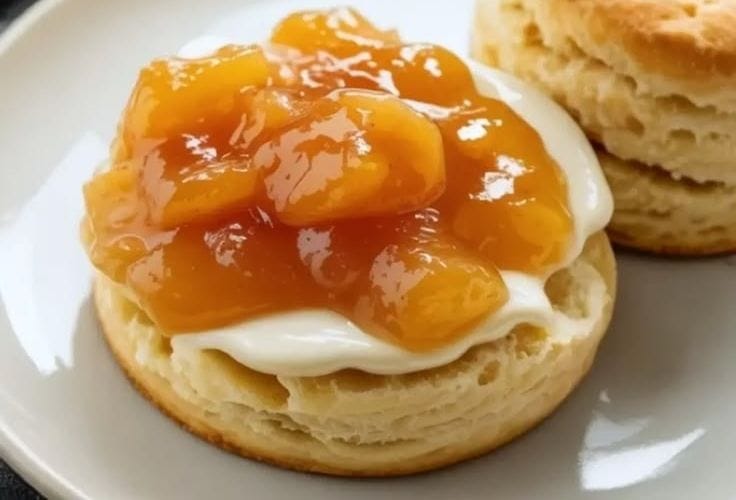
The place most people start is toast, and it’s a good place to start. Pear jam with salted butter on thick sourdough is a genuinely simple and satisfying thing. But the jam earns its keep well beyond the breakfast table.