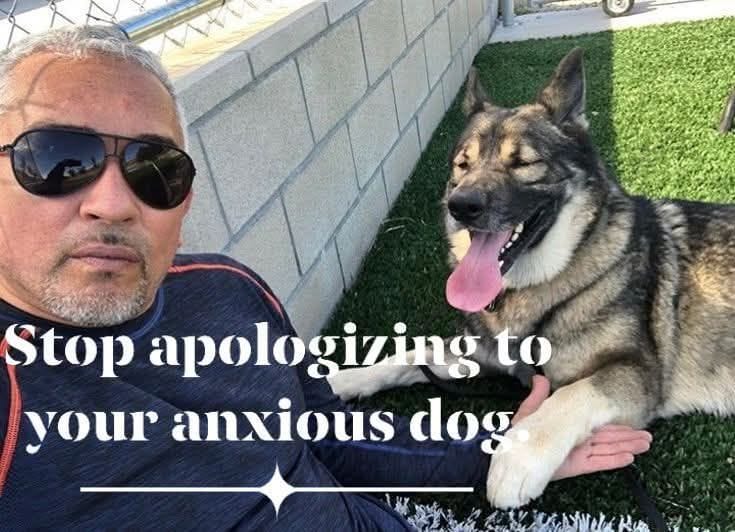

Mixed Signals, Messed-Up Behavior: What Dogs Need From You
You tell Buddy he can’t sit on the couch. Your partner lets him cuddle up there during movie night. Your kids sneak him table scraps while you’re trying to teach him not to beg. Sound familiar?

If your dog seems confused, anxious, or just won’t listen anymore, inconsistent rules might be the problem. And you’re not alone—this is one of the most common issues families face with their dogs.
Why Inconsistent Rules Stress Dogs Out
Dogs thrive on predictability. They’re not being stubborn when they don’t follow your rules—they genuinely don’t understand what you want when the rules keep changing.
Imagine if your boss praised you for something on Monday, then fired you for the same thing on Wednesday. You’d be anxious and confused too, right? That’s exactly what inconsistent training feels like to your dog.
When rules change based on who’s home, what mood you’re in, or what day it is, your dog can’t figure out what behavior gets rewarded and what gets corrected. This creates chronic stress and anxiety.
The Real-Life Signs You’re Sending Mixed Signals
Your dog might be stressed from inconsistent rules if you notice:
- Following commands perfectly with one family member but ignoring another
- Seeming nervous or hesitant before doing normal things like entering a room
- Excessive barking, whining, or destructive behavior when left alone
- Acting out more when multiple family members are home
- Looking confused when corrected, like they genuinely don’t understand what they did wrong
These aren’t signs of a bad dog. They’re signs of a confused dog trying to navigate a world where the rules keep shifting.
Common Ways Families Accidentally Send Mixed Signals
Different enforcement by different people. Dad says no jumping. Mom thinks it’s cute when Bella jumps to greet her. Bella learns that jumping sometimes works, so she keeps trying.
Mood-based rules. The couch is off-limits until you’re tired and want cuddles. Your dog can’t read your mood—they just know that sometimes the couch is okay and sometimes it isn’t.
Inconsistent timing. You correct your dog for barking at the mailman on Tuesday but you’re on a work call Wednesday and don’t say anything. Your dog doesn’t understand why the same behavior got two different responses.
Weekend versus weekday rules. Sleeping in bed is fine on Saturday morning but not allowed on Monday when you need to get up early. Your dog doesn’t own a calendar.
What Happens When Dogs Live With Constant Uncertainty
Chronic stress from inconsistent rules doesn’t just create behavioral problems. It affects your dog’s overall wellbeing.
Anxious dogs often develop stress-related behaviors like excessive licking, pacing, or even aggression. They may become hypervigilant, constantly watching family members to try predicting what’s allowed. Some dogs shut down entirely, becoming withdrawn or depressed.
The relationship between you and your dog suffers too. Training becomes frustrating for everyone. Your dog stops trusting that they can succeed, and you feel like you’re failing as a pet owner.
How to Create Consistency (Even in Chaotic Households)
Getting everyone on the same page doesn’t require military precision. It just requires communication and commitment.
Have a family meeting about the rules. Write them down. Be specific. “No begging” is vague. “All four paws stay on the floor during meals” is clear.
Decide what’s truly important. You don’t need a rule for everything. Pick the boundaries that actually matter to your household and let the small stuff go.
Use the same words and gestures. If one person says “down” and another says “off,” your dog has to learn two different commands for the same behavior. Choose one word per command and stick to it.
Correct every time or don’t correct at all. If jumping on guests isn’t allowed, it’s not allowed when Grandma visits either, even though she says she doesn’t mind. Consistency is more important than making exceptions.
Involve everyone in training. Don’t let one person become the “trainer” while everyone else undermines the work. Even kids can learn to follow the same basic rules with the dog.
What Consistent Rules Actually Look Like
Consistency doesn’t mean being rigid or harsh. It means being predictable.
Your dog should know that sitting politely at the door always earns them the chance to go outside. Jumping at the door always means you turn away and ignore them. The consequence matches the behavior every single time, regardless of who’s holding the leash.
When you’re consistent, training becomes faster and less frustrating. Your dog learns what works, stops experimenting with what doesn’t, and relaxes into the security of knowing what’s expected.
The Transformation When You Get It Right
When families commit to consistent rules, the change in their dogs can be dramatic.
Anxious behaviors often diminish within weeks. Dogs who seemed “untrainable” suddenly start listening. The constant battles over the same issues fade away because your dog finally understands the boundaries.
Your dog becomes calmer, more confident, and more bonded to your whole family—not just the one person they’ve figured out how to manipulate or the one they’re afraid of disappointing.
Your Dog Is Counting on You
Your dog isn’t trying to drive you crazy. They’re just trying to figure out how to be a good dog in a world where the definition keeps changing.
You have the power to reduce their anxiety and improve their behavior simply by getting everyone in your household to agree on the rules and stick to them. That’s not asking too much of your dog—it’s giving them exactly what they need to thrive.
Consistency isn’t about perfection. Nobody follows through 100% of the time. But when your dog can predict that jumping on people usually doesn’t work, that begging rarely gets rewarded, and that gentle behavior consistently earns attention, they’ll stop feeling anxious and start feeling secure.
And that’s when you’ll finally have the well-behaved, happy dog you’ve been hoping for.