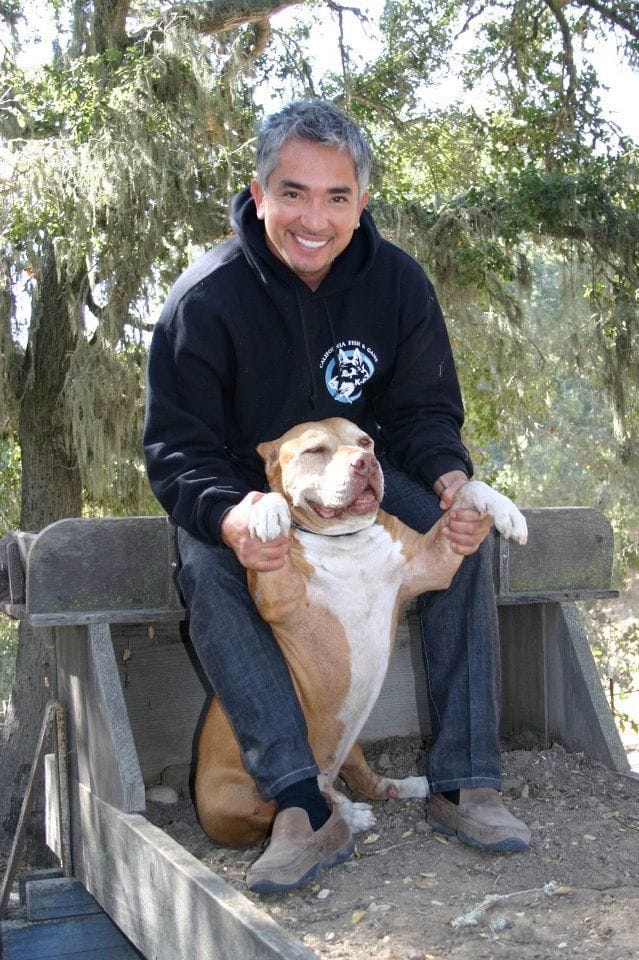
How Cesar Millan’s Calm-Assertive Energy Changes a Dog’s Behavior
Understanding the philosophy behind one of the world’s most recognized dog behaviorists
For over two decades, Cesar Millan has captivated audiences with his seemingly magical ability to transform even the most troubled dogs. At the heart of his methodology lies a deceptively simple concept: calm-assertive energy. While critics and supporters continue to debate his techniques, there’s no denying that Millan’s approach has resonated with millions of dog owners worldwide who’ve struggled to establish harmony with their canine companions.
The Foundation: Energy Over Commands
Millan’s philosophy departs from traditional dog training by emphasizing the energy humans project rather than focusing solely on commands and treats. According to Millan, dogs are extraordinarily perceptive to the emotional state and intentions of the people around them. They don’t understand our words, but they read our energy with remarkable accuracy.
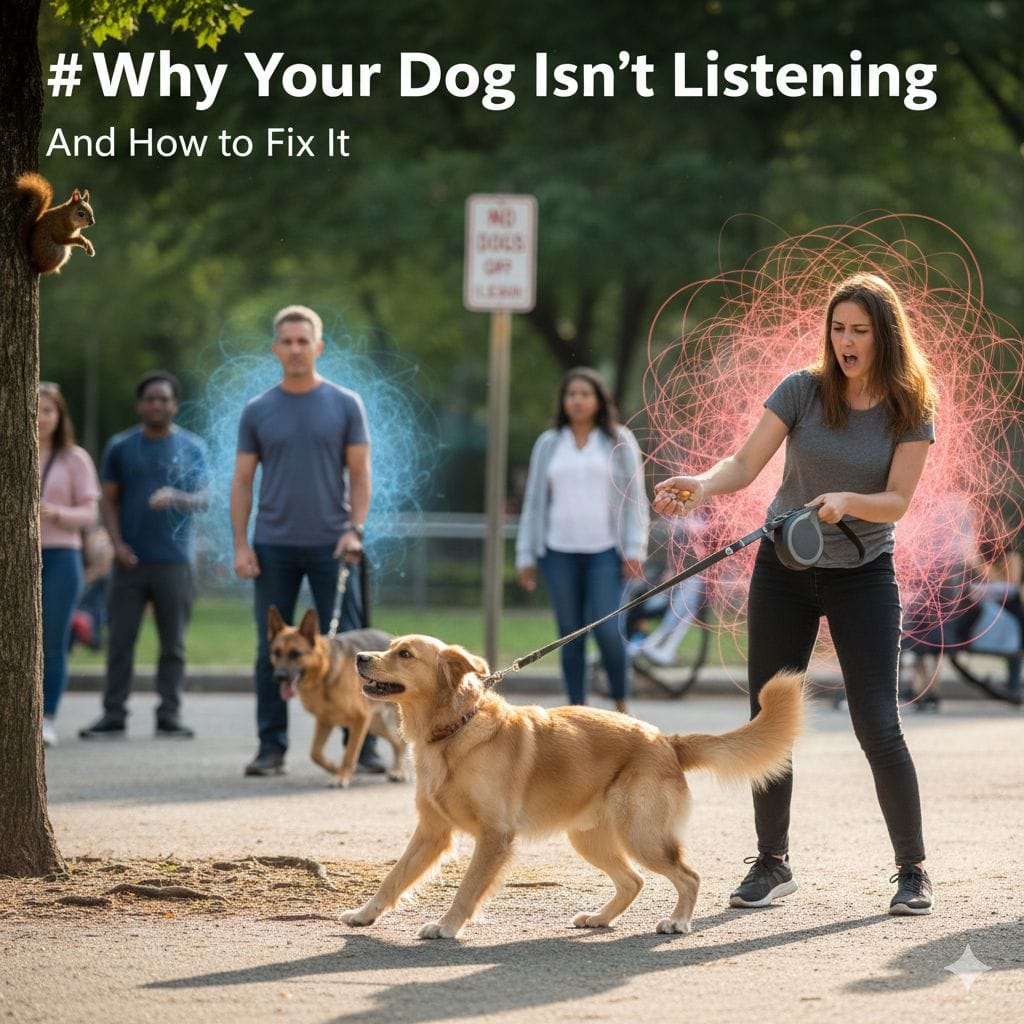
When an owner approaches a reactive dog with nervousness, frustration, or anger, the dog senses this instability and responds accordingly, often with heightened anxiety or aggression. Conversely, when a handler projects calm-assertive energy, combining relaxed confidence with clear intention, the dog receives an entirely different message: here is someone who is in control, who knows what they’re doing, and who can be trusted to lead.
What Calm-Assertive Energy Actually Means
The term “calm-assertive” might sound contradictory at first. How can someone be both calm and assertive simultaneously? Millan explains this as the state of being completely relaxed while maintaining absolute clarity about boundaries and expectations. Think of a confident parent who doesn’t need to yell to get their child’s attention, or a respected teacher who commands a classroom through presence rather than volume.
In the canine world, this mirrors the energy of a balanced pack leader. Wolves and wild dogs don’t follow leaders who are aggressive or domineering, nor do they respect those who are timid or uncertain. They follow calm, confident leaders who provide clear direction without emotional chaos.
How Dogs Respond to This Energy
Dogs are hardwired to seek structure and leadership within their social groups. In the absence of calm-assertive leadership from their owners, many dogs attempt to fill this vacuum themselves, leading to behavioral problems like excessive barking, leash pulling, separation anxiety, and even aggression.
When an owner shifts their energy from anxious, passive, or frustrated to calm-assertive, something remarkable happens. The dog no longer feels the need to be hypervigilant or to take charge of situations. The energy shift communicates safety and order, allowing the dog to relax into a follower role rather than feeling compelled to lead or protect.
Millan often demonstrates this with dogs who are aggressive toward other dogs or people. By approaching these situations with calm-assertive energy, maintaining steady breathing, relaxed shoulders, and clear intentionality, he shows owners that the dog’s behavior often mirrors the handler’s internal state. When the handler’s energy changes, the dog’s response changes in tandem.
The Practical Application
Implementing calm-assertive energy isn’t about adopting a stern demeanor or becoming cold toward your dog. It’s about cultivating genuine inner confidence and emotional stability. This requires self-awareness and often significant personal growth from the owner.
Millan emphasizes several practical elements. First, your body language must align with calm-assertive energy. This means standing tall with shoulders back, moving with purpose and confidence, maintaining steady eye contact when necessary, and using deliberate, controlled movements rather than frantic or hesitant ones. Your breathing matters tremendously as well. Dogs are acutely aware of breathing patterns, and slow, deep breaths signal calmness while rapid, shallow breathing communicates stress or fear.
Perhaps most importantly, you must manage your own emotional state. Before attempting to correct a dog’s behavior, Millan advises owners to check in with themselves. Are you frustrated? Angry? Anxious? If so, you’re not in a calm-assertive state, and your attempts at correction will likely fail or even worsen the situation. The work begins with human self-regulation, not canine correction.
The Missing Piece in Many Training Methods
Traditional dog training often focuses heavily on teaching specific behaviors through repetition and rewards. While these methods can be effective for teaching commands, they sometimes overlook the fundamental relationship dynamic between dog and owner. A dog might know how to sit, stay, and come on command yet still pull on the leash, dominate doorways, or show aggression toward strangers because the underlying energy dynamic hasn’t been addressed.
Millan’s calm-assertive approach fills this gap by establishing a foundational relationship built on respect and trust. Once this energetic relationship is solid, teaching specific behaviors becomes significantly easier because the dog is already attuned to the owner’s leadership and guidance.
Common Mistakes and Misconceptions
Many people attempt to adopt calm-assertive energy but fall into predictable traps. Some confuse assertiveness with aggression, becoming harsh or intimidating with their dogs. This creates fear rather than respect and damages the bond rather than strengthening it. Others manage the “calm” part but lack assertiveness, appearing passive or uncertain. Dogs read this as weak leadership and continue problematic behaviors.
The energy must be balanced. You can be gentle and affectionate with your dog while still maintaining clear boundaries. You can play and have fun while still being the one who decides when playtime begins and ends. Calm-assertive energy doesn’t mean being rigid or emotionless; it means being emotionally stable and clear in your intentions.
The Science Behind the Philosophy
While Millan’s approach is often presented in energetic or philosophical terms, there’s substantial scientific support for the core principles. Research in canine cognition has confirmed that dogs are exceptional at reading human emotional states through facial expressions, body language, vocal tones, and even physiological cues like cortisol levels in sweat.
Studies have also validated that dogs respond differently to confident versus uncertain handlers. In experiments where handlers were instructed to display either confident or hesitant body language, dogs showed significantly more compliance and lower stress levels with confident handlers, even when the actual commands were identical.
The concept of “leadership” in dog training has evolved considerably in scientific circles, but the core idea that dogs benefit from clear, consistent guidance from emotionally stable humans remains well-supported. What Millan calls calm-assertive energy aligns closely with what researchers might describe as secure, authoritative caregiving.
Beyond the Controversy
Millan’s methods have faced criticism from some animal behaviorists and trainers, particularly regarding specific techniques he’s employed on his television show. However, the concept of calm-assertive energy itself, separate from any particular physical technique, is widely accepted as valuable in human-dog relationships.
The real power of this philosophy may lie not in any single method or correction, but in how it transforms the owner. When people learn to regulate their own emotions, project confidence, and set clear boundaries, they become better leaders not just for their dogs but in other areas of their lives as well. The dog training becomes a vehicle for human growth and self-awareness.
Implementing the Philosophy in Daily Life
Adopting calm-assertive energy requires practice and consistency. Start by observing your own emotional states throughout the day, particularly during interactions with your dog. Notice when you feel frustrated, anxious, or uncertain. Before reacting, take a moment to breathe deeply, center yourself, and then proceed with clear intention.
Pay attention to everyday moments like doorways, feeding time, and walks. These are opportunities to practice calm-assertive leadership. Do you walk through doorways first, or does your dog push ahead? Do you decide when feeding happens, or does your dog demand it through whining or barking? Does your dog walk beside you on leash, or do they drag you down the street?
These aren’t just behavioral issues but reflections of the energetic relationship between you and your dog. By approaching each interaction with calm-assertive energy, you gradually establish a pattern where your dog learns to look to you for direction and feels secure in your leadership.
The Lasting Impact
What makes Millan’s calm-assertive philosophy enduring is its simplicity and universality. Regardless of breed, size, or specific behavioral issues, every dog-owner relationship benefits from the human cultivating emotional stability and confident leadership. The energy you bring to the relationship fundamentally shapes the dynamic and, consequently, your dog’s behavior.
For many owners, understanding this concept provides the missing puzzle piece in their relationship with their dog. They may have tried countless training methods, invested in expensive classes, or consulted multiple trainers, only to find that the real issue wasn’t the dog’s lack of training but their own lack of calm-assertive presence.
The beauty of this approach is that it requires no special equipment, no treats, and no complex techniques. It asks only that you become more aware of yourself, more intentional in your actions, and more stable in your emotional state. In doing so, you not only transform your dog’s behavior but often transform yourself as well.