
Finding Your Perfect Match: How to Choose the Right Dog Breed to Adopt
Bringing a new dog into your life is an incredibly exciting milestone. However, with hundreds of different breeds and mixed-breed personalities out there, finding “the one” can feel a bit overwhelming. Choosing a dog shouldn’t just be about who has the cutest face on a rescue website—it’s about finding a pup whose lifestyle, energy level, and needs align perfectly with yours.
Before you sign those adoption papers, use this guide to help you choose the right dog type for your home and lifestyle.
1. Assess Your Activity Level
Be completely honest with yourself here: Are you a weekend hiker or a professional couch potato? Matching your daily energy level with your dog’s is the single most important factor for a happy household.
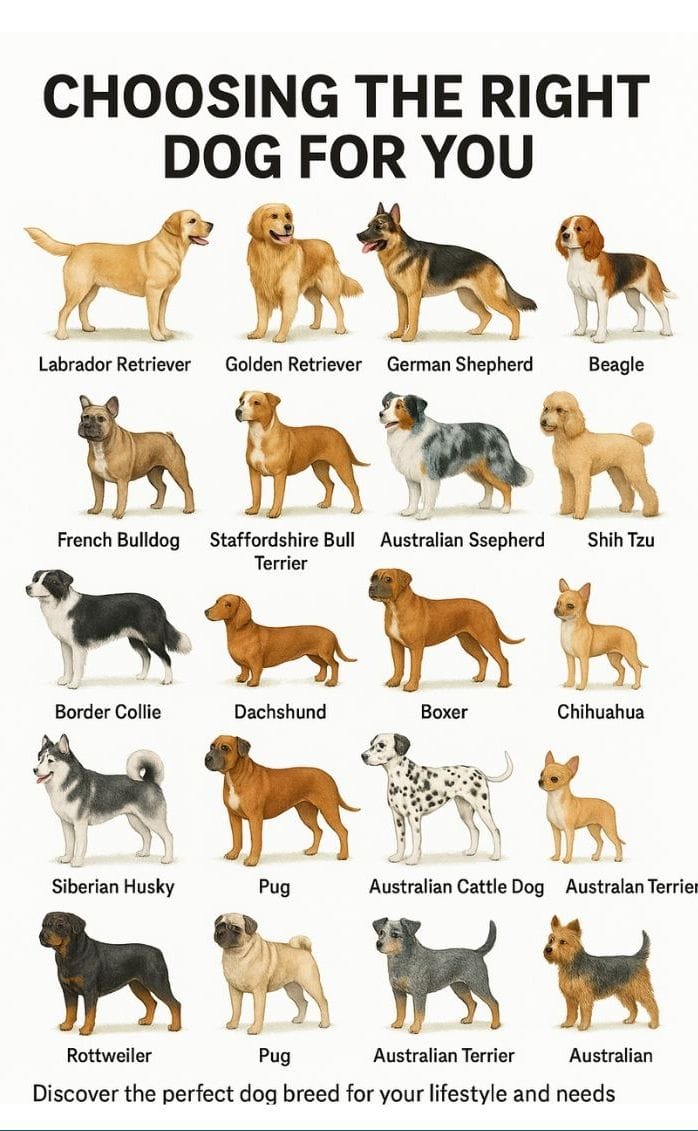
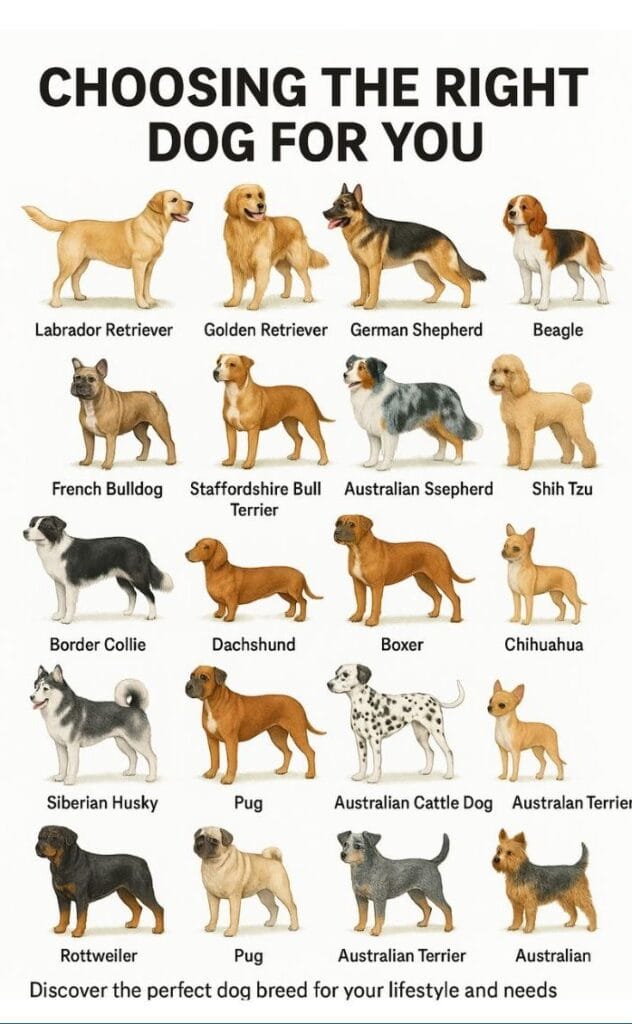
- High-Energy Dogs (e.g., Border Collies, Australian Shepherds, Boxers): These breeds need intense daily exercise, mental stimulation, and a job to do. They are perfect for runners and active families.
- Low-to-Moderate Energy Dogs (e.g., French Bulldogs, Greyhounds, Basset Hounds): While they still need daily walks, these dogs are perfectly content to lounge around the house for most of the day.
2. Consider Your Living Space
You don’t necessarily need a massive house to own a dog, but your living situation should influence your choice.
Apartment Living vs. Suburban Home
- Apartment Dwellers: Look for breeds that are notoriously quiet (low tendency to bark) and don’t require vast territories to roam. Surprisingly, large dogs like Great Danes can actually do well in apartments because they are massive couch potatoes, whereas a tiny, vocal Terrier might drive your neighbors crazy.
- Homes with Yards: If you have a fenced-in yard, a higher-energy dog that loves to fetch will thrive. Just ensure your fence height matches the jumping capability of the breed!
3. Factor in Time and Maintenance
Every dog requires time, but some demand a significantly larger chunk of your schedule. Care Factor Low Maintenance High Maintenance Grooming Short-haired breeds (Beagles, Labs) need minimal brushing. Long-haired or curly breeds (Poodles, Shih Tzus) require professional grooming every 4–6 weeks. Training Eager-to-please breeds (Golden Retrievers) pick up cues quickly. Independent or stubborn breeds (Huskies, Shiba Inus) require expert patience. Time Alone Independent adult dogs can handle a standard 8-hour workday. Puppies or breeds prone to separation anxiety cannot be left alone for long periods.
4. Evaluate Your Budget
Adoption fees are just the starting point. When choosing a dog type, keep long-term financial commitments in mind:
- Food Costs: A 15-pound Pomeranian costs significantly less to feed than a 90-pound Bernese Mountain Dog.
- Health Predispositions: Some breeds are prone to specific genetic health issues. Research the common medical conditions of the breeds you are interested in, and consider looking into pet insurance early on.
5. Don’t Overlook Mixed Breeds (Mutts!)
While researching purebred traits is helpful, don’t count out the incredible mixed-breed dogs waiting in shelters. “Mutts” often inherit the best, most balanced traits of their parentage and frequently suffer from fewer genetic health issues due to a wider gene pool.
When adopting a mixed breed, focus on the individual dog’s personality rather than trying to guess their exact DNA results. Shelter staff are excellent at matching a dog’s known temperament to your specific lifestyle.
The Golden Rule of Adoption: Base your decision on the life you live right now, not the life you wish you lived. If you don’t currently hike five miles a day, don’t adopt a dog that requires it hoping it will force you to start.
Take your time, visit local shelters, ask plenty of questions, and you’ll undoubtedly find the perfect four-legged companion for your life.