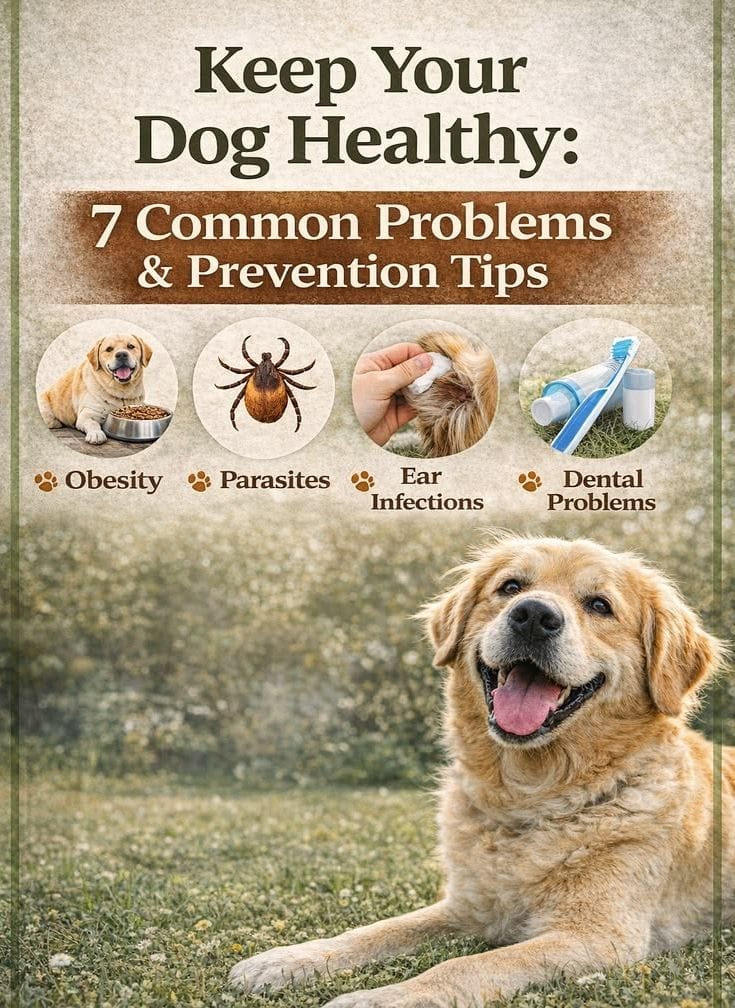
Common Dog Health Problems & How to Prevent Them
Digestive upset is something almost every dog owner deals with at some point. While an occasional bout of diarrhea or vomiting is usually not cause for alarm, chronic GI issues can signal a more serious underlying condition.
Common GI Problems in Dogs
- Gastroenteritis – Inflammation of the stomach and intestines, often caused by eating something inappropriate (garbage, foreign objects, spoiled food).
- Parvovirus – A highly contagious and potentially fatal viral disease that causes severe vomiting and bloody diarrhea, especially in unvaccinated puppies.
- Inflammatory Bowel Disease (IBD) – Chronic inflammation of the GI tract causing persistent vomiting and diarrhea.
- Pancreatitis – Inflammation of the pancreas, often triggered by a high-fat meal; causes vomiting, abdominal pain, and loss of appetite.
- Bloat (GDV) – A life-threatening emergency where the stomach fills with gas and twists. Most common in large, deep-chested breeds like Great Danes and German Shepherds.
Warning Signs of GI Problems
- Vomiting or diarrhea lasting more than 24 hours
- Blood in vomit or stool
- Loss of appetite
- Abdominal bloating or pain
- Lethargy and weakness
- Excessive drooling or lip-licking (nausea sign)
How to Prevent GI Issues
- Feed a consistent, high-quality diet – Sudden diet changes are a leading cause of digestive upset. Transition to new foods gradually over 7–10 days.
- Don’t feed fatty table scraps – High-fat foods are a primary trigger for pancreatitis.
- Keep trash secured – Dogs are notorious for getting into garbage, which can cause serious GI infections.
- Vaccinate against parvovirus – The core puppy vaccine series protects against this deadly disease.
- Feed large breeds smaller meals – Feeding two or three smaller meals a day (rather than one large meal) may help reduce the risk of bloat.
- Avoid exercise immediately after meals – Wait at least an hour after eating before vigorous activity.
7. Arthritis and Joint Problems
Joint disease is particularly common in older dogs and large breeds, but it can affect dogs of any age. Arthritis (osteoarthritis) develops when the protective cartilage in joints breaks down, causing pain, inflammation, and reduced mobility.
Risk Factors for Arthritis in Dogs
- Large or giant breeds (Labrador Retrievers, German Shepherds, Golden Retrievers)
- Obesity
- History of joint injuries
- Hip or elbow dysplasia (a genetic condition common in certain breeds)
- Aging
Warning Signs of Joint Problems
- Stiffness, especially after rest or in cold weather
- Reluctance to climb stairs, jump, or get into cars
- Limping or favoring one leg
- Visible swelling around joints
- Decreased activity and playfulness
- Licking or chewing at painful joints
How to Prevent and Manage Joint Problems
- Maintain a healthy weight – This is the single most impactful thing you can do to protect your dog’s joints.
- Regular, low-impact exercise – Swimming and leash walks are gentler on joints than high-impact activities like fetch or jumping.
- Joint supplements – Glucosamine and chondroitin supplements have evidence supporting their role in maintaining joint health. Omega-3 fatty acids also have anti-inflammatory effects.
- Orthopedic bedding – Provide a supportive, comfortable bed — especially important for older dogs.
- Ramps and stairs – Install ramps to help older dogs access furniture or vehicles without stressing their joints.
- Breed-specific screening – If you own a breed prone to hip or elbow dysplasia, ask your vet about early screening and genetic testing.
8. Eye Problems
Dogs can develop a range of eye conditions that, if caught early, are often very treatable. Left untreated, some can lead to vision loss or chronic pain.
Common Eye Conditions in Dogs
- Conjunctivitis (Pink Eye) – Inflammation of the conjunctiva, causing redness, discharge, and squinting.
- Cataracts – Clouding of the eye’s lens; common in older dogs and those with diabetes.
- Glaucoma – Increased pressure in the eye that can cause pain and rapid vision loss.
- Dry Eye (KCS) – Insufficient tear production, leading to chronic irritation and discharge.
- Cherry Eye – Prolapse of the third eyelid gland, appearing as a red mass in the corner of the eye.
- Entropion/Ectropion – Inward or outward rolling of the eyelid, common in certain breeds.
Warning Signs of Eye Problems
- Redness or swelling around the eye
- Excessive tearing or discharge
- Cloudiness or opacity of the eye
- Squinting, blinking excessively, or pawing at the eye
- Visible third eyelid
- Bumping into objects (possible vision loss)
How to Prevent Eye Problems
- Keep the area around the eyes clean – Gently wipe away discharge with a damp cloth.
- Regular grooming – Keep facial hair trimmed away from the eyes in long-coated breeds.
- Protective eyewear – Consider dog goggles for dogs that spend time in high-wind environments or near irritants.
- Annual eye exams – Especially important for breeds prone to hereditary eye diseases (Cocker Spaniels, Poodles, Huskies).
- Never ignore eye symptoms – Eye problems can worsen very quickly. If you notice any changes, contact your vet promptly.
The Foundation of Prevention: Routine Veterinary Care
All of the prevention strategies above work best in combination with a solid relationship with your veterinarian. Regular wellness visits allow your vet to:
- Catch health problems early, often before symptoms appear
- Update core vaccinations that protect against serious infectious diseases
- Perform parasite screenings
- Monitor your dog’s weight and body condition
- Provide breed-specific preventive recommendations
Recommended wellness visit schedule:
- Puppies: Every 3–4 weeks until 16 weeks old (for vaccine series)
- Adult dogs (1–7 years): Once a year
- Senior dogs (7+ years or depending on breed): Twice a year
Quick Prevention Checklist
Here’s a simple summary of the most important steps you can take to protect your dog’s health:
✅ Use monthly flea, tick, and heartworm preventatives year-round
✅ Schedule annual (or semi-annual) vet wellness visits
✅ Keep your dog at a healthy weight through proper diet and exercise
✅ Brush your dog’s teeth at least 3–4 times per week
✅ Clean and dry your dog’s ears regularly
✅ Keep vaccinations up to date
✅ Feed a high-quality, age-appropriate diet
✅ Provide daily physical activity and mental stimulation
✅ Groom regularly to monitor skin, coat, and overall condition
✅ Act quickly at the first sign of any health concern — don’t wait
Final Thoughts
Your dog depends on you to be their health advocate. The most powerful tool you have isn’t a medication or a supplement — it’s attention. By simply knowing what to look for and staying consistent with preventive care, you can catch problems early, avoid many health issues altogether, and give your dog the long, vibrant, tail-wagging life they deserve.
When in doubt, always consult your veterinarian. They’re your best partner in keeping your dog healthy at every stage of life.
This article is intended for informational purposes only and does not constitute veterinary medical advice. Always consult a licensed veterinarian for diagnosis and treatment of your dog’s health conditions.