
Common Dog Health Problems & How to Prevent Them
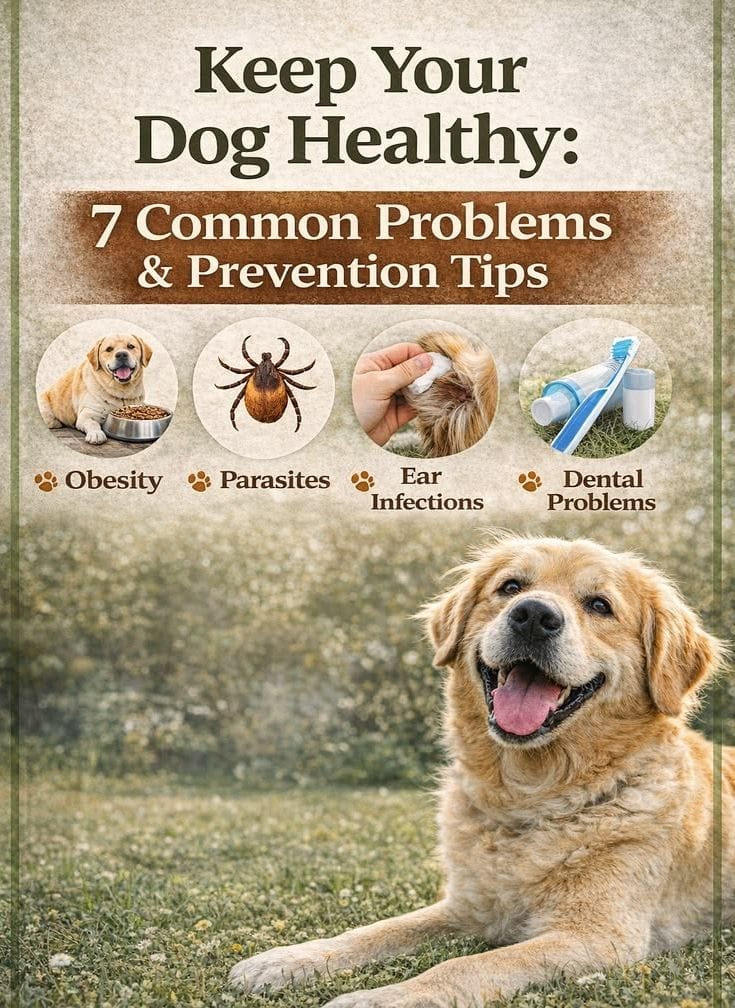
Canine obesity is one of the most widespread and underrecognized health problems in pet dogs today. Studies estimate that over 55% of dogs in the United States are overweight or obese — and the consequences go far beyond a little extra fluff.
Health Risks of Obesity in Dogs
Excess weight puts enormous strain on a dog’s body and is directly linked to:
- Joint problems and arthritis – Extra pounds accelerate wear on joints, especially in large breeds.
- Diabetes mellitus – Obesity disrupts insulin regulation.
- Heart and respiratory disease – The heart must work harder to supply an overweight body.
- Shorter lifespan – Obese dogs live on average 2 years less than dogs at a healthy weight.
- Reduced quality of life – Overweight dogs often have less energy, struggle with heat, and may suffer from depression.
Warning Signs Your Dog May Be Overweight
- You can’t feel the ribs easily when pressing gently on the sides
- No visible waist when viewed from above
- The belly hangs low rather than tucking up toward the hind legs
- Reluctance to exercise or tiring quickly
- Difficulty breathing during mild activity
How to Prevent Obesity in Dogs
- Follow feeding guidelines – Use a measuring cup and follow the portion recommendations on your dog’s food, adjusted for their age, size, and activity level.
- Limit treats – Treats should make up no more than 10% of your dog’s daily caloric intake. Opt for low-calorie options like carrots or green beans.
- Exercise daily – Most dogs need at least 30–60 minutes of physical activity per day, depending on breed.
- Avoid table scraps – Human food is often too high in fat, salt, and calories for dogs.
- Schedule regular vet weigh-ins – Catching weight gain early makes it much easier to address.
- Choose age-appropriate food – Puppies, adults, and seniors have different nutritional needs.