
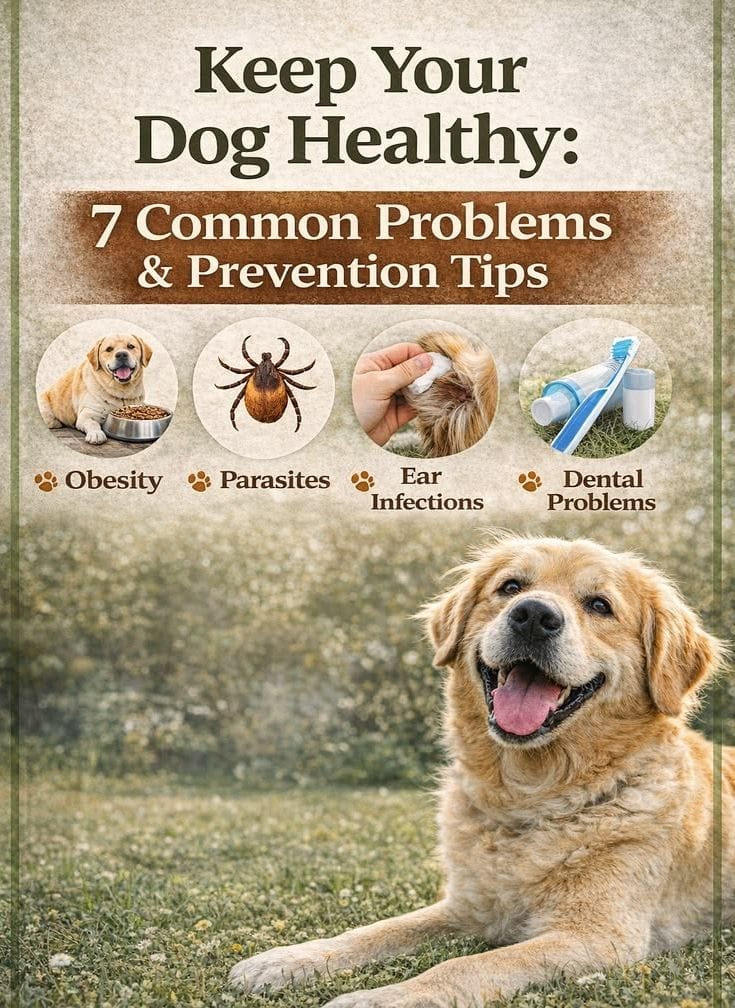
Common Dog Health Problems & How to Prevent Them
Meta Description: Learn about the most common dog health problems — from parasites and obesity to ear infections and dental disease — and discover simple, vet-approved prevention tips to keep your dog healthy and happy.
Introduction
Every dog owner wants the same thing: a happy, healthy companion by their side for as long as possible. But like humans, dogs are susceptible to a wide range of health conditions — many of which can sneak up gradually before becoming serious problems.
The good news? Most common dog health issues are highly preventable with the right knowledge and consistent care. Whether you’re a first-time dog owner or a seasoned pet parent, understanding what to watch for can make all the difference.
In this guide, we’ll walk you through the most common dog health problems, their warning signs, and — most importantly — simple, practical steps you can take to prevent them.
1. Parasites: Fleas, Ticks, and Worms
Parasites are among the most common health threats for dogs of all ages and breeds. They’re not just an itchy nuisance — many parasites can cause serious disease if left untreated.
Types of Common Parasites
External Parasites:
- Fleas – Cause intense itching, skin infections, and can transmit tapeworms. A single flea can lay up to 50 eggs per day.
- Ticks – Can transmit dangerous diseases like Lyme disease, Rocky Mountain spotted fever, and ehrlichiosis.
- Mites – Responsible for mange (sarcoptic and demodectic), causing hair loss and skin irritation.
Internal Parasites (Worms):
- Heartworms – Transmitted by mosquitoes, heartworms live in the heart and lungs and can be fatal if untreated.
- Roundworms – Very common, especially in puppies; can cause vomiting, diarrhea, and a pot-bellied appearance.
- Hookworms – Attach to the intestinal wall and cause blood loss, weakness, and anemia.
- Tapeworms – Usually contracted via fleas; cause weight loss and visible segments near the tail.
- Whipworms – Live in the large intestine and cause chronic diarrhea and weight loss.
Warning Signs of Parasites
- Excessive scratching, biting, or licking the skin
- Visible fleas, ticks, or flea dirt (black specks) in the coat
- Scooting on the floor (tapeworm symptom)
- Visible worm segments in stool or around the anus
- Coughing, lethargy, or difficulty breathing (heartworm)
- Bloated belly, especially in puppies
- Weight loss despite normal appetite
How to Prevent Parasites
- Use monthly preventatives – Ask your vet about year-round flea, tick, and heartworm prevention products (topical, oral, or collar-based).
- Annual fecal exams – Have your vet test stool samples at least once a year to catch intestinal worms early.
- Deworm puppies – Puppies should be dewormed every 2 weeks until 8 weeks of age, then monthly until 6 months old.
- Keep your yard clean – Remove standing water (mosquito breeding grounds) and pick up feces promptly.
- Check your dog after outdoor activities – Run a comb through the coat and check around the ears, neck, and between toes after hikes or time in wooded areas.