Cesar Millan’s Simple Technique for Calm, Controlled Walks
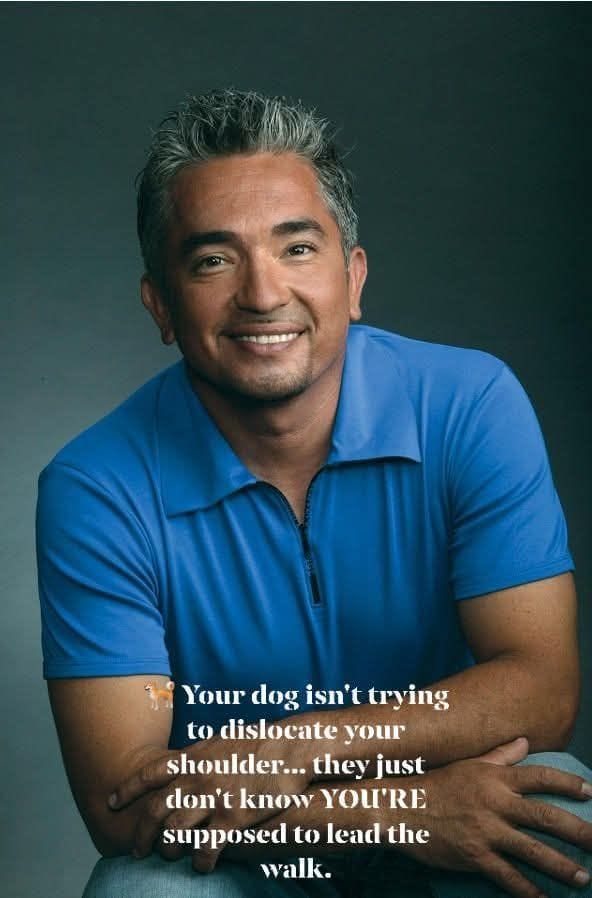
If you dread walking your dog because they pull you down the street like a sled dog on a mission, you’re not alone. Leash pulling is one of the most common—and most frustrating—behavior problems dog owners face.
The good news? Cesar Millan, the renowned dog behaviorist, has a straightforward technique that can transform your walks from chaotic battles into calm, enjoyable experiences. No special equipment required. No complicated training sequences. Just a shift in approach that changes everything.
Let’s break down exactly how to stop your dog from pulling on the leash using Cesar’s proven method.
Why Your Dog Pulls in the First Place
Before we dive into the solution, you need to understand the problem. Your dog doesn’t pull to be disobedient. They pull because it works.
Every time your dog pulls toward something interesting and you follow along (even reluctantly), you’ve just rewarded the pulling. Your dog learns: tension on the leash = I get where I want to go. It’s that simple.
Most dogs are also naturally faster walkers than humans. Add in their superior sense of smell and the exciting world of scents, sounds, and sights, and you’ve got a recipe for a dog who wants to forge ahead constantly.
The traditional approach—letting your dog lead the walk—puts them in the decision-making position. And when a dog believes they’re in charge of the walk, pulling becomes their default setting.
Cesar Millan’s Core Philosophy: Walk With Purpose
Cesar’s approach centers on one fundamental principle: you lead the walk, not your dog.
This isn’t about dominance or being mean. It’s about providing clear structure that actually makes your dog feel more secure. When you confidently lead, your dog can relax and simply follow. When they’re making all the decisions, they’re in a constant state of heightened arousal and excitement.
Here’s Cesar’s step-by-step technique:
Step 1: The Right State of Mind (Yours)
Before you even touch the leash, check yourself. Are you stressed? Rushed? Frustrated about yesterday’s terrible walk?
Your dog reads your energy immediately. If you’re tense and expecting a battle, you’ll get one. Cesar emphasizes that calm, assertive energy from you sets the tone for everything that follows.
Take three deep breaths. Remind yourself: this is a walk, not a war. You’re going to calmly enforce a boundary, nothing more.
Step 2: Master the Door Exit
The walk begins at your front door, not at the end of your driveway.
Your dog should not be allowed to bolt out the door the moment it opens. This is where pulling starts. Instead:
- Have your dog sit calmly before opening the door
- Open the door slowly
- If your dog lunges forward, close it immediately
- Repeat until your dog waits calmly
- You exit first, then invite your dog to follow
This simple boundary setting establishes from the very beginning: I’m leading this walk.
Step 3: The Proper Leash Position
Your dog should walk beside or slightly behind you—never in front. Cesar typically recommends the dog at your side, with the leash forming a “J” shape: loose and relaxed, not tight.
The key detail most people miss: keep the leash short enough that your dog stays in position, but loose enough that there’s no constant tension. You want about 2-3 feet of leash, held comfortably at your hip.
Your dog’s shoulder should align roughly with your leg. This position naturally discourages pulling because they’re not out front where they can build momentum.
Step 4: Stop Immediately When Pulling Starts
Here’s the technique that changes everything, and it’s beautifully simple:
The moment you feel tension on the leash, stop walking. Completely.
Don’t yank. Don’t say “no.” Don’t pull back. Just become a tree. Stand still and wait.
Your dog will likely pull harder at first, confused about why the walk stopped. They might look back at you. The instant the leash goes slack—even for a second—start walking again immediately.
You’re teaching a new equation: tension on leash = walk stops. Loose leash = walk continues.
This is where most people fail. They stop for a second, get impatient, and start walking again while the dog is still pulling. That teaches nothing. You must wait for the slack, even if it takes a full minute the first few times.
Step 5: Change Direction When Necessary
If your dog is particularly stubborn and won’t release the tension, Cesar uses another technique: abruptly change direction.
The moment your dog pulls, immediately turn and walk the opposite way. You’re making it impossible for your dog to predict the walk’s path, which forces them to pay attention to you instead of leading.
This isn’t punishment—it’s redirection. You’re interrupting the pulling pattern and requiring your dog to focus on where you’re going.
Do this as many times as needed. Yes, your first few walks might involve a lot of direction changes. But you’re building new neural pathways. Your dog is learning that following you is easier than fighting you.
Step 6: Reward the Slack
When your dog walks nicely beside you with a loose leash, acknowledge it. You don’t need to throw a party, but a calm “good” or a small treat keeps reinforcing what you want.
Many people only pay attention when their dog does something wrong. But behaviors you reward increase. Make sure you’re noticing and rewarding the calm walking, not just correcting the pulling.
Step 7: Exercise Before the Walk
Here’s Cesar’s secret weapon that most people overlook: a tired dog pulls less.
Before your training walks, spend 10-15 minutes playing fetch, doing training exercises, or running around the backyard. Burn off that initial burst of excited energy. Then, when you begin the walk, your dog is already in a calmer state and more capable of focus.
This is especially important for high-energy breeds. You can’t expect a Border Collie or Labrador who’s been cooped up all day to suddenly walk calmly. Give them an outlet first.
Common Mistakes That Sabotage Your Progress
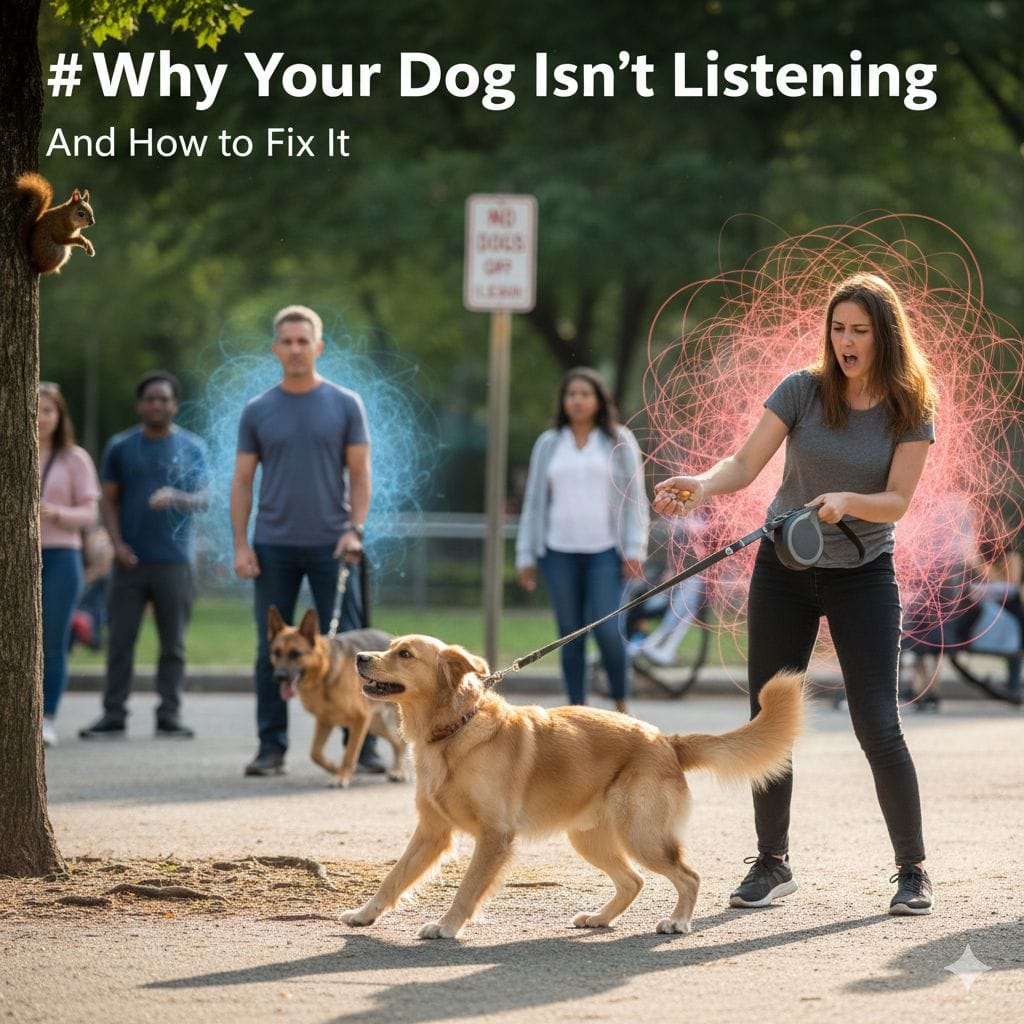
Using a retractable leash: These teach pulling by design. The dog learns that constant tension on the leash means they can go further. Use a standard 4-6 foot leash instead.
Inconsistency: If you enforce the rules Monday and Wednesday but not Tuesday and Thursday, your dog learns nothing. Every single walk must follow the same structure until the behavior is solid.
Letting them “just say hi” to every dog or person: While socialization is important, letting your dog drag you toward every distraction reinforces pulling. Teach them to stay calm and ask permission (by looking at you) before greeting.
Talking too much: Constant commands and chatter create noise your dog tunes out. Be quiet and calm. Your body language and the stop-start pattern are doing the communicating.
Getting frustrated and giving up: The first week is hard. Your 20-minute walk might take 45 minutes because you’re stopping constantly. That’s normal. That’s the work. Don’t abandon the technique right when it’s starting to sink in.
What About Training Tools?
Cesar has used various tools throughout his career—prong collars, gentle leaders, and more. But his core technique works with just a standard flat collar or harness and leash.
If your dog is extremely strong or reactive, you might benefit from a front-clip harness or gentle leader that gives you more mechanical advantage. But the technique remains the same: stop when they pull, move when the leash is slack.
Don’t rely on equipment to do the training for you. Even the best harness won’t fix the problem if you’re still rewarding pulling by continuing to walk when the leash is tight.
How Long Until You See Results?
Most dogs show noticeable improvement within 3-5 consistent walks. Really stubborn pullers might take two weeks of daily practice.
The key word is consistent. If you practice this technique twice, see no results, and give up, you’ve wasted your time. But if you commit to applying this method every single walk for two weeks, you will see change.
Your dog isn’t learning a trick. They’re unlearning years of reinforced pulling behavior and building a new habit. That takes repetition.
The Bigger Picture
Cesar’s technique isn’t really about leash pulling. It’s about establishing yourself as a calm, consistent leader who provides structure and boundaries.
Dogs who pull on leash often have other behavioral issues: jumping, not listening to commands, reactivity. These problems share a common root—a dog who hasn’t learned to follow your lead.
When you master calm, controlled walks, you’ll likely notice improvements in other areas too. Your dog will be calmer at home, more responsive to commands, and generally more relaxed. Because you’ve given them what they actually needed all along: clear, consistent leadership.
Start Your Next Walk Differently
You don’t need expensive training classes or complicated programs. You just need to apply this simple technique with absolute consistency.
Tomorrow morning, before you clip on that leash, take a breath. Remind yourself: I’m leading this walk. Stop when there’s tension. Move when there’s slack. Stay calm and patient.
Your dog will test you. They’ve been pulling successfully for months or years. They won’t give up that strategy easily. But if you’re more stubborn than they are—if you simply refuse to reward pulling ever again—they will adapt.
Because here’s the truth: your dog doesn’t actually want to pull you down the street. They want to walk with you. They’re just waiting for you to show them how.
Give them that clarity, and everything changes.