Hugo Spritz Recipe: The Best 5 -Minute Italian Cocktail
My first Hugo Spritz happened by accident. A bartender in a small wine bar ran out of Aperol during a Friday rush and poured me something pale gold and fizzy instead, mumbling an apology I didn’t need. One sip in, and Aperol Spritz suddenly felt like the runner-up. That glass was floral, herby, and lighter than anything bitter-orange had ever been, and I went home and started testing ratios that same weekend.
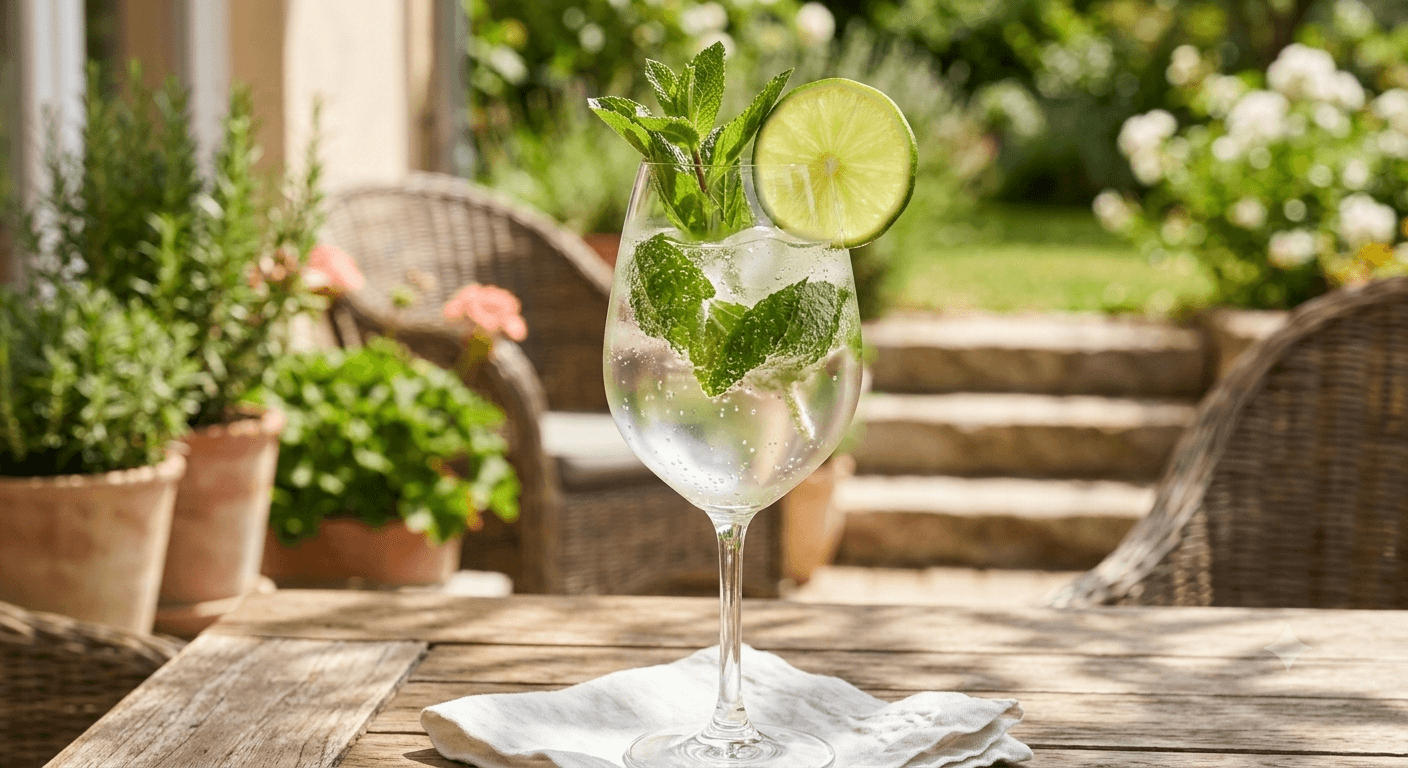
A Hugo Spritz is a sparkling Italian cocktail built from prosecco, elderflower liqueur, soda water, and fresh mint. It’s less bitter than an Aperol Spritz, lower in alcohol than a glass of straight wine, and it comes together in under five minutes with zero cocktail-shaking required.
This particular moment is a good one to learn it. Search interest in spritz cocktails has spiked hard this summer, and elderflower-based drinks specifically are having a real cultural moment beyond just Italy. Whether you’re building one glass for a Tuesday night or a full pitcher for a backyard dinner, this recipe covers both.
Why You’ll Love This Recipe
- It’s genuinely five minutes, start to finish, with no shaker, strainer, or bartending experience required.
- It’s lighter than most cocktails. With a modest pour of elderflower liqueur topped mostly with prosecco and soda water, a Hugo Spritz lands lower in alcohol than a full glass of wine.
- The flavor is crowd-pleasing. Floral elderflower, bright mint, and a little citrus make this an easy sell even for people who don’t usually order cocktails.
- It scales beautifully. The same ratio that works for one glass multiplies cleanly into a pitcher for guests.
- It’s a built-in conversation starter. Most people haven’t tried one yet, so it reads as a little more special than reaching for the usual Aperol Spritz.
Ingredients
For one Hugo Spritz:
- 3 ounces prosecco, chilled
- 1 to 1 1/2 ounces elderflower liqueur (such as St-Germain), or elderflower syrup for a lower-alcohol version
- 1 ounce soda water or club soda
- 4 to 5 fresh mint leaves
- 1 lime wedge or wheel, for garnish
- Ice
For a pitcher (serves 6):
- 1 bottle (750 ml) prosecco, chilled
- 6 to 9 ounces elderflower liqueur
- 6 ounces soda water
- A large handful of fresh mint
- 2 limes, sliced into wheels
Ingredient Notes
Prosecco: Choose a dry (labeled “Brut”) prosecco rather than an extra dry or demi-sec, since the elderflower liqueur already brings plenty of sweetness. You don’t need an expensive bottle here; a solid $12 to $15 prosecco works fine.
Elderflower liqueur: St-Germain is the most widely available option and the industry standard, though other elderflower liqueurs work the same way. For a non-alcoholic or lower-proof version, swap in elderflower syrup or cordial, which is sweeter, so start with less and adjust to taste.
Soda water: Plain soda water or club soda both work. Avoid tonic water, which carries a bitter quinine flavor that clashes with the elderflower.
Mint: Fresh mint is worth seeking out here. Dried mint won’t give you the same bright, herbaceous lift, and it’s really the aromatic backbone of the drink.
Lime: A wedge is standard, though a few thin lime wheels floated in the glass or pitcher look especially good for entertaining.
Kitchen Equipment
- Large wine glass or stemless wine glass (per serving)
- Jigger or measuring shot glass
- Bar spoon or long spoon for stirring
- Pitcher, for the batch version
- Ice
Step-by-Step Instructions
For a single Hugo Spritz:
- Add mint to the glass. Place the mint leaves in a large wine glass.
- Add the elderflower liqueur. Pour it directly over the mint. Gently press the leaves once or twice with a spoon to release their aroma; there’s no need to fully muddle them.
- Fill with ice. Use plenty of ice, which keeps the drink cold without diluting it too quickly.
- Pour in the prosecco. Add it slowly to preserve the bubbles.
- Top with soda water. Add last, then give the drink one gentle stir.
- Garnish and serve. Add a lime wedge or wheel and a fresh mint sprig, then serve immediately while it’s cold and fizzy.
For a pitcher (serves 6):
- Add the mint and elderflower liqueur to a large pitcher and gently press the mint a few times.
- Add the lime wheels.
- Right before serving, pour in the chilled prosecco and soda water, and stir once, gently.
- Serve immediately over ice in individual glasses. Don’t add ice directly to the pitcher, or the drink will dilute and go flat before you finish pouring for everyone.
Pro Tips
- Keep every ingredient cold before mixing. A Hugo Spritz made from room-temperature prosecco will fizz out fast and taste flatter.
- Pour the prosecco before the soda water, since prosecco holds its bubbles better when it isn’t the last thing added on top of ice.
- Start with the lower end of the elderflower liqueur measurement and add more to taste; it’s easy to add more but impossible to take it back out.
- For a party, batch the mint and elderflower liqueur ahead of time, then add the bubbles at the very last minute so nothing goes flat while guests arrive.
Variations
- Non-alcoholic Hugo Spritz: Swap the prosecco for a non-alcoholic sparkling wine and the elderflower liqueur for elderflower syrup or cordial.
- Grapefruit Hugo Spritz: Add a splash of fresh grapefruit juice for extra tartness that balances the floral sweetness.
- Cucumber Hugo Spritz: Muddle a few thin cucumber slices along with the mint for a cooler, more garden-forward flavor.
- Frozen Hugo Spritz: Blend the elderflower liqueur, a splash of prosecco, and ice into a slushy base, then top with more prosecco and soda water just before serving.
Storage Instructions
A Hugo Spritz is meant to be made and served immediately, since the bubbles fade quickly once combined. Don’t try to store a mixed spritz for later.
That said, you can prep ahead: combine the mint, elderflower liqueur, and sliced fruit in a pitcher and refrigerate for up to 8 hours before your event. Add the chilled prosecco and soda water only when you’re ready to serve.
An opened bottle of prosecco loses its carbonation within a day or two, even with a stopper, so plan to use the full bottle within your gathering rather than saving half for later.
Reheating Instructions
This is a chilled cocktail, so no reheating applies here. If your Hugo Spritz has warmed up slightly while sitting out, the best fix is a fresh handful of ice rather than trying to chill it back down slowly, since the drink is best enjoyed fizzy and cold rather than reworked after the fact.
What to Serve With
- Light, salty snacks like marcona almonds, olives, or prosciutto-wrapped melon
- A charcuterie or cheese board, especially soft cheeses like burrata or brie
- Grilled vegetables or a simple caprese salad
- Light seafood dishes, such as shrimp skewers or a citrusy ceviche
Common Mistakes to Avoid
- Using extra dry or sweet prosecco. This makes the finished drink cloyingly sweet on top of the already-sweet elderflower liqueur. Stick with a dry, Brut-style prosecco.
- Adding the soda water before the prosecco. This traps carbonation lower in the glass and makes the drink go flat faster once stirred.
- Skipping the mint. Mint isn’t just a garnish here; it’s part of the flavor base, and leaving it out makes the drink taste noticeably flatter and less complex.
- Batching the whole drink ahead of time, bubbles included. Prosecco and soda water lose their fizz fast. Always add them last, right before serving.
Frequently Asked Questions
What is a Hugo Spritz made of? A Hugo Spritz is made with prosecco, elderflower liqueur, soda water, fresh mint, and a lime garnish. It’s a lighter, more floral alternative to the classic Aperol Spritz.
Is a Hugo Spritz sweeter than an Aperol Spritz? Generally yes. Aperol Spritz leans bitter and citrusy from the Aperol itself, while a Hugo Spritz leans sweet and floral from the elderflower liqueur, with mint adding a fresh, herbal contrast.
How much alcohol is in a Hugo Spritz? It varies by pour, but a standard Hugo Spritz typically lands around 8 to 10% ABV, which is comparable to a glass of wine and generally lower than most spirit-forward cocktails.
Can I make a Hugo Spritz without alcohol? Yes. Substitute non-alcoholic sparkling wine for the prosecco and elderflower syrup or cordial for the elderflower liqueur. The flavor stays nearly identical.
What can I use instead of St-Germain? Any elderflower liqueur works the same way. If you can’t find one, elderflower syrup combined with a splash of extra soda water is a reasonable non-alcoholic substitute, though the flavor will be lighter.
Can I make a Hugo Spritz ahead of time for a party? You can prep the mint, elderflower liqueur, and fruit in a pitcher ahead of time and refrigerate it, but always add the prosecco and soda water right before serving so the drink stays fizzy.
Why did my Hugo Spritz turn out flat? This usually means the prosecco or soda water wasn’t cold enough, was added too early, or was stirred too vigorously. Keep everything chilled, add the bubbles last, and stir gently.
Nutrition Information
Estimated per serving (based on 3 oz prosecco, 1.25 oz elderflower liqueur, 1 oz soda water). Values will vary by brand and pour size.
- Calories: approximately 160
- Carbohydrates: approximately 14g
- Sugars: approximately 10g
- Alcohol by volume: approximately 8 to 10%
This is a general estimate for reference only and not a substitute for label information from your specific bottles, especially if you’re tracking intake closely.
Conclusion
A Hugo Spritz earns its growing popularity honestly: it’s easy enough for a Tuesday night, elegant enough for a dinner party, and lighter than most cocktails on a hot afternoon. Once you’ve got the ratio down, whether you’re pouring one glass or a full pitcher for guests, this is the kind of drink that becomes a permanent fixture in a summer rotation rather than a one-time novelty.