5 Creative Ways to Use Tahini: Beyond Hummus (Savory Tahini Latte Recipe)
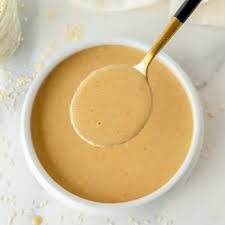
If your jar of tahini only makes an appearance when you are whipping up a batch of hummus, you are missing out on one of the most versatile, nutrient-dense powerhouses in your pantry. Tahini—a silky, roasted sesame seed paste—is the backbone of Middle Eastern cuisine, but its culinary potential extends far beyond the dip bowl.
With its earthy flavor, healthy fats, and remarkable emulsifying properties, tahini can transform everything from your morning beverage to your weeknight dinner rotation. Whether you are looking to add sophistication to a baked treat or seeking a grounding, non-caffeinated morning ritual, this guide explores five innovative ways to put your tahini to work.
Table of Contents
- Why You’ll Love This Recipe
- What Makes This Recipe Special
- Choosing the Right Tahini
- 1. Creamy Tahini Salad Dressing
- 2. Quick Tahini Noodles
- 3. Elevated Baking with Tahini
- 4. Roasted Marinades and Glazes
- 5. The Savory Tahini Latte
- Expert Tips for Success
- Frequently Asked Questions
- Final Thoughts
- Recipe Card: Savory Tahini Latte
- Authoritative References
Why You’ll Love This Recipe
Tahini is a nutritional superstar, boasting impressive levels of calcium, iron, and magnesium. Beyond the health benefits, its texture is unmatched. Because it is essentially pure fat from seeds, it behaves like butter or heavy cream but brings a complex, nutty depth that dairy simply cannot replicate.
Whether you are vegan, gluten-free, or just looking to experiment with new flavor profiles, these recipes provide a foundation for healthier, more interesting meals without requiring hours in the kitchen.
What Makes This Recipe Special
The Savory Tahini Latte included in this guide is a game-changer. Unlike a standard coffee, this beverage is deeply nourishing and grounding. It draws inspiration from ancient culinary traditions that utilize toasted seeds for warmth and energy, combined with the modern convenience of high-speed blending. It is the perfect bridge between a wellness tonic and a comforting hot drink.
Choosing the Right Tahini
Before you start, ensure you have quality tahini. You want a product that is smooth, pourable, and made solely from roasted sesame seeds. If your tahini is clumped at the bottom of the jar, give it a thorough stir—or better yet, store the jar upside down to help the oils redistribute naturally.
1. Creamy Tahini Salad Dressing
Forget store-bought bottles. A homemade tahini dressing takes seconds to assemble and provides a creamy mouthfeel that clings to greens better than any oil-based vinaigrette.
- The Ratio: 3 tablespoons tahini, 2 tablespoons lemon juice, 1 clove grated garlic, and enough cold water to reach your desired consistency.
- The Boost: Add a teaspoon of maple syrup if you prefer a touch of sweetness to balance the natural bitterness of the sesame seeds.
- Best Used On: Hearty salads like kale, shredded cabbage slaws, or as a dip for veggie stir-fry with tofu.
2. Quick Tahini Noodles
When you need a 10-minute weeknight dinner, look no further than tahini noodles. It’s an ideal alternative to peanut sauce, offering a more sophisticated, slightly tangy profile.
- Method: Whisk together 1/4 cup tahini, 2 tablespoons soy sauce, 1 teaspoon sesame oil, and ginger. Toss with warm noodles and a splash of reserved pasta water.
- Internal Link: Pair these noodles with a side of grilled salmon with steamed broccoli for a complete, protein-packed dinner.
3. Elevated Baking with Tahini
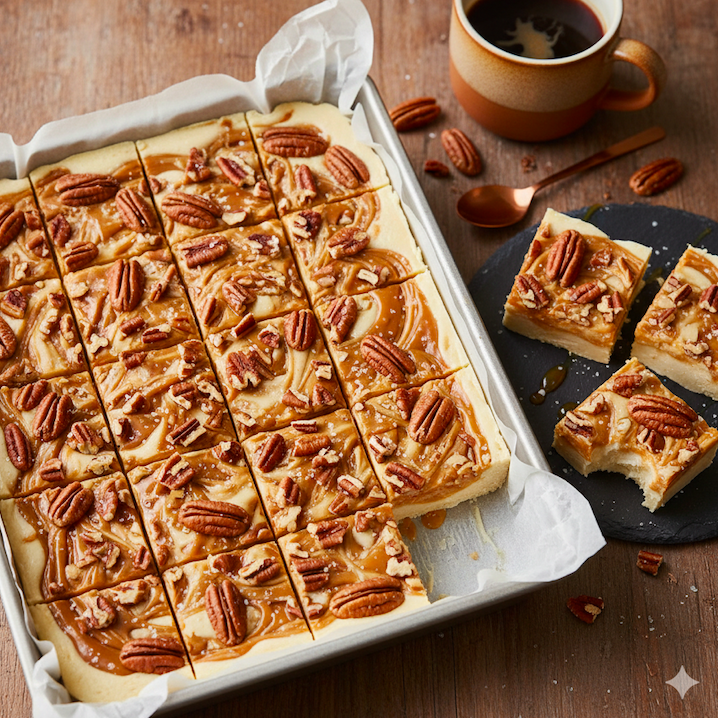
Tahini can replace part of the butter in your favorite cookie or brownie recipes. It adds a moisture-rich, chewy crumb and a “what is that secret ingredient?” flavor profile.
- Try It In: Moist homemade carrot cake by swirling tahini into the batter, or add a tablespoon to your banana bread recipe for a deeper, earthier note.
4. Roasted Marinades and Glazes
Tahini’s high smoke point and fat content make it excellent for roasting. When brushed over chicken or root vegetables, it creates a golden, caramelized crust that traps moisture inside.
- Pro Technique: Combine tahini with smoked paprika, cumin, and lemon juice. Coat roast chicken with root vegetables before putting it in the oven. The result is an incredibly savory, restaurant-quality finish.
5. The Savory Tahini Latte
This is the “star” recipe—a warming, non-caffeinated latte that feels like a meal in a cup.
Why It Works
By using miso paste as a bridge, the tahini emulsifies into the hot water, creating a “latte” texture that is velvety and rich. The turmeric and black pepper add anti-inflammatory properties, while the ginger provides a gentle heat that wakes up the palate.
Expert Tips for Success
- Preventing Seizing: If your sauce “seizes” (turns thick and clumpy) when adding water, don’t panic. This is normal. Just keep whisking; it will eventually smooth out into a beautiful emulsion.
- Storage: Keep your jar in a cool, dark pantry. If you live in a warm climate, refrigeration is fine, though it will firm up significantly.
- Sweet vs. Savory: Remember that tahini is a blank canvas. By adjusting the acidity (lemon vs. vinegar) and the salt source (sea salt vs. miso), you can pivot between sweet baking and savory dinner applications instantly.
Frequently Asked Questions
1. Is tahini healthy?
Yes, it is rich in monounsaturated fats, protein, and essential minerals like copper and manganese.
2. Can I use tahini if I have a nut allergy?
Generally, yes. Tahini is made from sesame seeds, not tree nuts or peanuts, making it a great alternative for those with nut allergies.
3. Why is my tahini bitter?
Bitterness is a natural characteristic of sesame seeds. Look for brands that use hulled seeds, which are generally milder than unhulled varieties.
4. Can I use a food processor for the latte?
An immersion blender or a standard high-speed blender is best for the latte to ensure the tahini is fully emulsified and frothy.
5. How long does the dressing last?
Stored in an airtight jar in the fridge, your tahini dressing will stay fresh for up to one week.
6. Does tahini go bad?
Because of its high oil content, it can go rancid over a long period. If it smells like paint or metallic, it’s time to toss it.
7. Can I substitute tahini for peanut butter?
In most recipes, yes. However, be aware that tahini is less sweet and more savory, so you may need to adjust your sweeteners.
8. What can I serve with tahini noodles?
They go excellently with light proteins like grilled shrimp bowls.
Final Thoughts
The key to using tahini effectively is realizing that it is both a condiment and a base ingredient. Whether you’re experimenting with the pink salt trick in your morning routine or blending up this savory latte, incorporating tahini into your daily menu is a simple way to elevate your culinary game.
Start with the latte. It is arguably the most surprising and rewarding way to see just how far this humble seed paste can go.
Recipe Card: Savory Tahini Latte
- Prep time: 2 minutes
- Cook time: 3 minutes
- Total time: 5 minutes
- Servings: 1 serving
Ingredients
- 2 tbsp high-quality tahini
- 1 cup hot water (not boiling)
- 1/2 tsp ground turmeric
- 1/4 tsp ground ginger
- 1/4 tsp ground cumin
- 1/2 tsp white miso paste
- Pinch of black pepper
- Pinch of sea salt
- Optional: Drizzle of extra virgin olive oil
Instructions
- Combine the tahini, miso, spices, salt, and pepper in a blender or mug.
- Add the hot water.
- Blend or whisk vigorously for 30 seconds until the mixture is frothy and emulsified.
- Pour into a warm mug.
- Top with a small drizzle of olive oil and an extra crack of black pepper if desired.
Nutrition Highlights
- Calories: ~210
- Protein: 6g
- Healthy Fats: 18g
- Fiber: 3g
✓