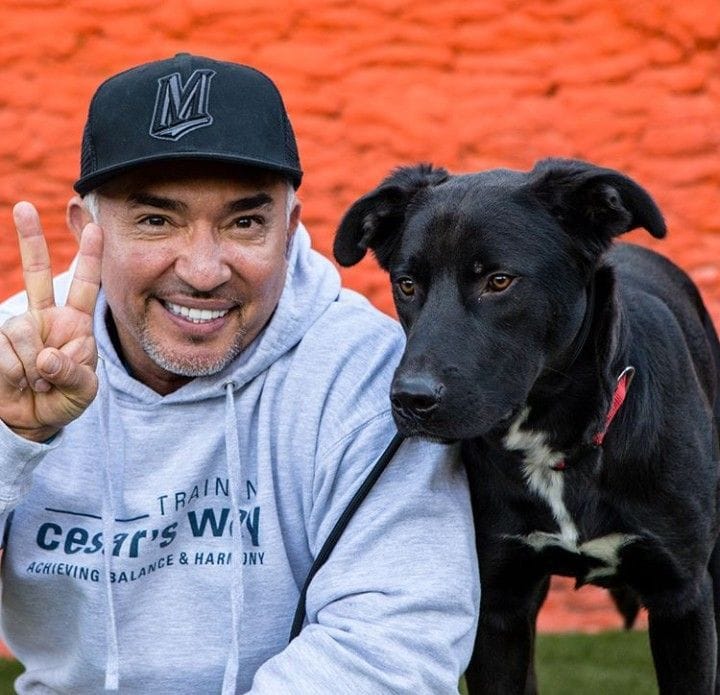
Most Dog Owners Unknowingly Create Anxiety in Their Dogs
You love your dog.
You feed them well, give them affection, buy them toys, and try to make them happy.

But what if some of the things you do out of love are actually creating anxiety?
Many behavioral issues—excessive barking, leash pulling, jumping on guests, separation stress—don’t start with “bad dogs.” They start with unclear leadership and unstable energy inside the home.
Calm leadership creates calm dogs.
Here are the three most common mistakes that quietly destroy calm energy—and how to fix them step by step.
1️⃣ Giving Affection When the Dog Is Excited
This is the most common mistake.
Your dog jumps on you when you come home.
They bark and spin in circles.
They whine for attention.
And what do most owners do?
They pet them. They talk excitedly. They reinforce the energy.
From a human perspective, it feels loving.
From a dog’s perspective, you just rewarded instability.
Dogs don’t understand affection the way humans do. They associate attention with approval. If you give affection during excitement, you are approving excitement.
What To Do Instead
- When you come home, ignore your dog until they are calm.
- No eye contact.
- No talking.
- No touching.
The moment they relax—even slightly—then reward them calmly.
You are teaching them:
Calm behavior earns affection.
Over time, your dog learns emotional self-control because calmness becomes the path to connection.
2️⃣ No Structured Walks
Many owners walk their dogs.
But very few provide structured walks.
There is a difference.
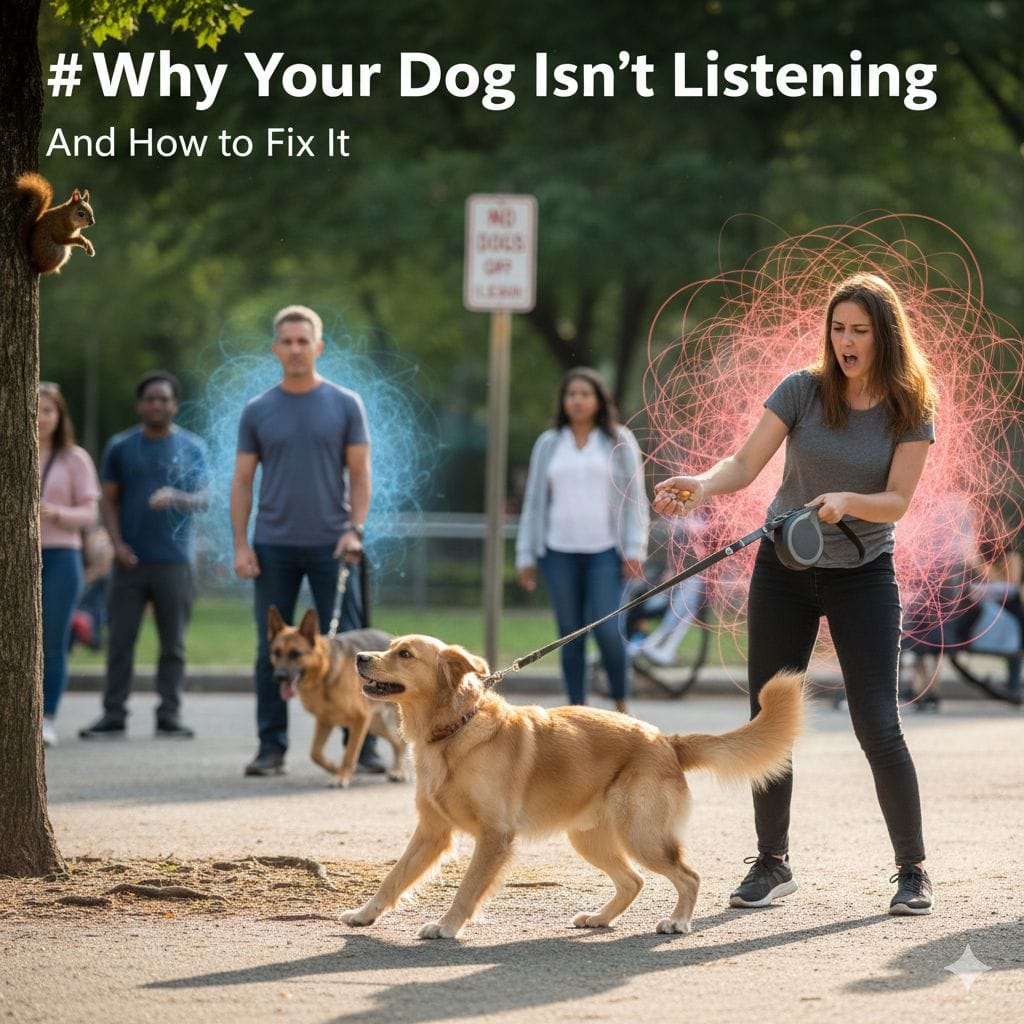
A casual walk often looks like:
- Dog pulling in front
- Dog stopping constantly
- Dog reacting to every sound
- Owner following the dog
This builds tension and mental overload.
Dogs need direction. Structure creates security. Without structure, the outside world feels chaotic and overwhelming.
What a Structured Walk Looks Like
- The dog walks beside or slightly behind you.
- The leash remains loose.
- You set the pace.
- You decide when to stop.
- You correct calmly if needed.
The walk is not just physical exercise—it is mental leadership.
When you lead consistently during walks, your dog relaxes because they no longer feel responsible for navigating the world.
Structure reduces anxiety dramatically.
3️⃣ Inconsistent Boundaries
Inconsistency creates confusion. Confusion creates stress.
If your dog is allowed on the couch sometimes—but scolded other times—they don’t understand the rule.
If jumping is cute when guests are family—but punished when guests are strangers—the message is unclear.
Dogs thrive on predictability.
Clear Rules Create Emotional Stability
Decide:
- Is the couch allowed or not?
- Is jumping allowed or not?
- Is begging allowed or not?
Once you decide, stick to it every time.
Boundaries do not make you harsh.
They make you trustworthy.
And trust is the foundation of calm behavior.
The Psychology Behind Calm Leadership
Dogs are deeply sensitive to energy.
They read:
- Your posture
- Your tone
- Your breathing
- Your confidence level
If you are anxious, frustrated, or inconsistent, your dog absorbs it.
Leadership does not mean dominance or aggression.
It means calm direction.
Calm leadership means:
- You move first.
- You control resources (food, walks, affection).
- You remain emotionally steady.
When you are predictable and composed, your dog feels safe.
Safety reduces anxiety.
The Step-by-Step Method to Create a Calm Dog
Here is the simple framework:
Step 1: Control Affection
Affection only when the dog is calm.
Step 2: Implement Structured Walks Daily
At least one leadership-based walk per day.
Step 3: Establish Clear Household Rules
No exceptions. No emotional reactions. Just consistency.
Step 4: Manage Your Own Energy
Before correcting your dog, regulate yourself.
Calm corrections. Calm praise. Calm presence.
What Happens When You Apply This Correctly
Within weeks, you may notice:
- Less reactivity
- Improved leash behavior
- Reduced barking
- Better impulse control
- More relaxed body language
The dog hasn’t changed personality.
You changed the emotional environment.
Final Thought
Most dog anxiety is not about genetics.
It is about leadership gaps.
When you provide:
- Structure
- Consistency
- Calm energy
Your dog stops feeling responsible for managing the world.
And when they no longer feel responsible… they relax.
Calm leadership creates calm dogs.
If you want the full breakdown with detailed daily routines and examples, check the guide in the first comment 👇