
Why Your Dog Is Calm With You but Reactive With Others: Understanding Territorial and Protective Behavior
If your dog transforms from a peaceful companion at home into a barking, lunging whirlwind around other people or dogs, you’re not alone. This frustrating behavioral pattern affects countless dog owners and often leaves them feeling embarrassed, confused, and isolated. Understanding why your calm, loving pet becomes reactive in certain situations is the first step toward helping them—and yourself—navigate the world more confidently.

The Jekyll and Hyde Phenomenon: Why It Happens
Your dog’s contrasting behavior isn’t a sign of poor training or a “bad” dog. It’s actually rooted in complex emotional responses, biological drives, and learned behaviors that make perfect sense once you understand the underlying causes.
The Trust Factor
Dogs behave calmly with you because you represent safety, predictability, and security. You’re their anchor in an unpredictable world. With you, their nervous system can relax because they’ve learned through countless positive interactions that you won’t hurt them, you’ll meet their needs, and you provide comfort when they’re stressed.
When other people or dogs enter the picture, that equation changes dramatically. Your dog doesn’t have the same history, trust, or emotional bond with strangers. What looks like aggression or overexcitement is often anxiety, fear, or uncertainty manifesting as reactive behavior.
Protective Instincts and Resource Guarding
Many dogs view their owners as valuable resources worth protecting. This doesn’t mean your dog sees you as weak or incapable—it means you’re precious to them. When another person or animal approaches, some dogs feel compelled to create distance between you and the perceived threat. This protective behavior intensifies when dogs lack confidence in their ability to assess whether someone is truly dangerous.
Certain breeds were specifically developed to be protective or territorial, including German Shepherds, Rottweilers, Dobermans, and many herding breeds. While any dog can display protective behavior regardless of breed, genetics can influence the intensity and likelihood of these responses.
Frustration and Barrier Reactivity
Sometimes reactivity has nothing to do with fear or protection and everything to do with frustration. Dogs who desperately want to greet other dogs but are prevented by a leash may develop frustrated reactivity. The leash becomes a barrier that prevents them from engaging in natural greeting behaviors, creating psychological pressure that explodes into barking, lunging, and pulling.
This type of reactivity often confuses owners because the dog seems excited rather than aggressive. The emotional motivation differs from fear-based reactivity, but the outward behavior looks remarkably similar.
Lack of Socialization and Negative Experiences
Dogs have critical developmental periods during puppyhood when positive exposure to various people, animals, environments, and experiences shapes their adult behavior. Puppies who miss adequate socialization between 3 and 14 weeks of age often struggle with reactivity later in life because they haven’t learned that unfamiliar things are generally safe.
A single traumatic experience can also trigger reactive behavior. A dog who was attacked by another dog, frightened by a stranger, or overwhelmed in a crowded environment may develop lasting associations between those contexts and danger. Their brain learns to react defensively before threats fully materialize.
The Science Behind Canine Reactivity
Understanding the biological mechanisms driving reactive behavior helps you respond more effectively and compassionately.
The Stress Response System
When your dog perceives a threat, their sympathetic nervous system activates the fight-or-flight response. Stress hormones like cortisol and adrenaline flood their body, increasing heart rate, sharpening focus, and preparing muscles for action. In this aroused state, your dog cannot think clearly or respond to training cues effectively. Their brain prioritizes survival over obedience.
With you in calm environments, your dog’s parasympathetic nervous system dominates, promoting relaxation and normal functioning. The dramatic behavioral difference you observe reflects these opposing neurological states.
Trigger Stacking and Threshold Levels
Every dog has a reactivity threshold—the point at which they can no longer cope with stress and explode into reactive behavior. Multiple stressors can accumulate throughout the day, lowering this threshold significantly. A dog who handles one trigger calmly might react intensely when three triggers appear simultaneously or when they’re already stressed from a vet visit, construction noise, or changes in routine.
This explains why your dog sometimes handles encounters well but seems unpredictable at other times. Understanding trigger stacking helps you manage your dog’s environment more strategically.
The Learning Cycle
Reactivity often becomes self-reinforcing. When your dog barks and lunges, the “threat” typically moves away. From your dog’s perspective, their behavior worked—they successfully drove off danger. This perceived success strengthens the reactive response, making it more likely and intense in future encounters.
Breaking this cycle requires careful management and new learning experiences where your dog discovers that calm behavior also leads to positive outcomes.
Identifying Your Dog’s Specific Triggers
Reactive dogs rarely react to everything equally. Identifying specific triggers helps you create more effective training plans.
Common Reactivity Triggers
Different dogs react to different stimuli based on their individual experiences and temperament. Common triggers include men with beards or hats, children, other dogs (especially certain sizes or energy levels), people on bicycles or skateboards, joggers, delivery personnel in uniforms, dogs behind fences, crowded environments, or sudden movements and loud noises.
Some dogs react more intensely to triggers that approach head-on rather than passing at angles. Others have learned to associate specific contexts (like certain streets or parks) with negative experiences.
Distance and Intensity
Most reactive dogs have a critical distance at which they can remain calm. Beyond this threshold distance, they handle encounters well. Below it, they react. This distance varies dramatically between dogs and situations. Some dogs need 50 feet of space while others need 10 feet.
Identifying your dog’s threshold distance for various triggers allows you to practice training exercises in the “goldilocks zone” where your dog notices the trigger but remains capable of learning.
Reading Early Warning Signs
Reactive explosions don’t appear from nowhere. Dogs display subtle stress signals before reaching their breaking point. Learning to recognize these early warnings gives you opportunities to intervene before full reactivity develops.
Warning signs include stiffening body posture, fixed staring, whale eye (showing whites of eyes), lip licking, yawning, raised hackles, tucked tail, ears pinned back or forward, whining or low growling, and suddenly losing interest in treats. When you notice these signals, increase distance from the trigger immediately.
Management Strategies: Setting Your Dog Up for Success
While you work on training, management prevents your dog from practicing reactive behavior and reduces overall stress.
Strategic Route Planning
Choose walking routes and times that minimize trigger exposure. Early morning or late evening walks often mean fewer people and dogs. Quiet residential streets with good visibility allow you to spot potential triggers from a distance and make strategic choices about whether to proceed, cross the street, or turn around.
Creating a “trigger map” of your neighborhood helps you identify high-risk areas to avoid and safe routes where your dog can decompress.
Physical Management Tools
The right equipment makes a significant difference. Front-clip harnesses reduce pulling force and give you better control without causing discomfort. Head halters provide excellent steering control for larger dogs but require gradual introduction so dogs accept them willingly.
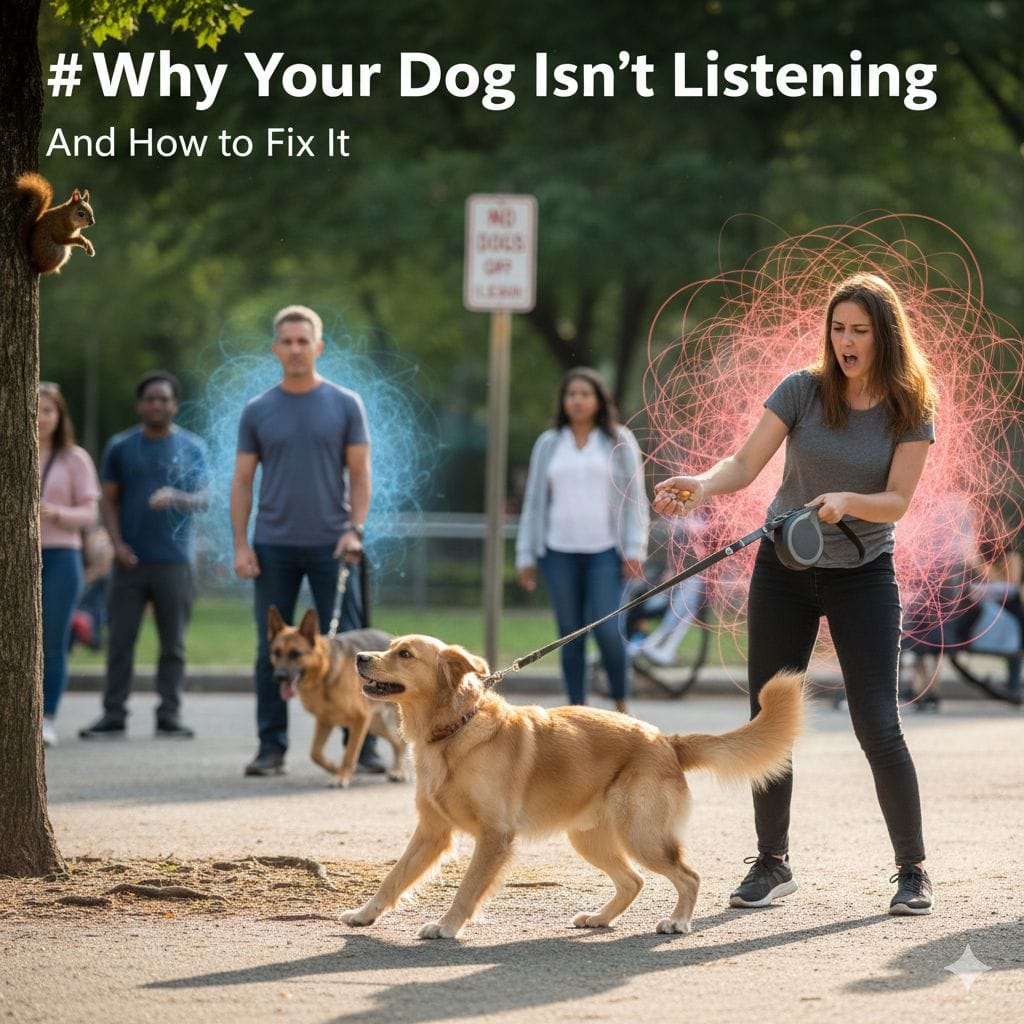
A standard six-foot leash provides the right balance of control and freedom for most situations. Avoid retractable leashes, which prevent you from quickly reducing distance between your dog and triggers and make consistent training nearly impossible.
Creating Safety Zones
Your home should be a stress-free sanctuary where your dog can fully relax. If your dog reacts to passersby through windows, block visual access with frosting film, curtains, or strategic furniture placement. White noise machines or calming music can mask triggering sounds.
Designate specific areas like a crate, bed, or quiet room where your dog learns to settle and decompress after stressful experiences.
The Emergency U-Turn
Teaching your dog to immediately turn and walk with you in the opposite direction creates an escape route when unexpected triggers appear. Practice this skill in calm environments first. Use a cheerful verbal cue like “let’s go!” paired with a high-value treat, then quickly walk backward or turn away. Your dog should learn that this cue means something wonderful is about to happen in the opposite direction.
This technique prevents many reactive episodes by allowing you to create distance before your dog reaches threshold.
Training Techniques That Actually Work
Addressing reactivity requires patience, consistency, and science-based methods that change your dog’s emotional response to triggers.
Counter-Conditioning and Desensitization
These twin techniques form the foundation of effective reactivity training. Counter-conditioning changes your dog’s emotional response to triggers by pairing them with wonderful experiences. Desensitization involves gradual, controlled exposure at intensities your dog can handle.
The process works like this: identify your dog’s threshold distance for a specific trigger, position yourself just beyond that distance, the moment your dog notices the trigger but before reacting, deliver high-value treats continuously, maintain this until the trigger passes or you create more distance, then end the session.
Over many repetitions, your dog begins to associate the trigger with treats rather than danger. Their emotional response shifts from “oh no, a threat!” to “oh good, treat time!” This emotional change naturally produces calmer behavior.
The Look at That (LAT) Game
This popular technique teaches dogs to voluntarily look at triggers then immediately check back with you for reinforcement. Start in environments with very mild triggers. When your dog notices the trigger and looks at it, immediately say “yes!” and deliver a treat. Your dog will quickly look back at you for the reward.
The brilliance of this approach is that it gives your dog an appropriate, rewarding behavior (looking then checking in) to replace reactive behavior. It also empowers your dog to notice potential threats without needing to drive them away.
Pattern Games for Predictability
Anxious, reactive dogs benefit enormously from predictable patterns that give their brains structure and purpose. Games like “find it” (scattering treats in grass for sniffing), “1-2-3 pattern” (treating at predictable intervals), and “engage-disengage” (rewarding for looking at triggers then away) create mental frameworks that reduce anxiety.
These games work because predictability reduces stress. When your dog knows exactly what to expect, their nervous system can relax even in the presence of triggers.
Relaxation Training
Teaching your dog to settle on cue provides an invaluable tool for managing arousal. The “relax on a mat” protocol involves rewarding your dog for lying calmly on a designated mat or bed. Start in quiet environments and very gradually introduce mild distractions as the behavior strengthens.
Over time, the mat itself becomes a cue that signals “time to calm down,” and you can use it in increasingly challenging situations.
When to Seek Professional Help
Some reactivity cases require professional guidance. Consider consulting a certified dog behavior consultant or veterinary behaviorist if your dog’s reactivity is worsening despite your efforts, your dog has redirected aggression toward you or other household members, reactivity significantly limits your dog’s quality of life, you feel unsafe managing your dog, or you’re experiencing significant stress or frustration.
Professionals can assess your specific situation, identify subtle factors you might miss, and create customized behavior modification plans. They may also identify whether medical issues or anxiety disorders require veterinary intervention.
The Role of Physical and Mental Exercise
A tired dog is often a calmer dog, but the type and timing of exercise matter tremendously for reactive dogs.
Decompression Walks
Not every walk needs to be a training session. Decompression walks in low-stimulation environments allow your dog to sniff, explore, and mentally decompress without pressure to perform or maintain vigilance. Nature settings like quiet trails provide enrichment without overwhelming social demands.
These relaxing experiences reduce overall stress levels and improve your dog’s capacity to handle challenging situations at other times.
Mental Enrichment Activities
Mental exercise often tires dogs more effectively than physical exercise. Puzzle feeders, scent work, trick training, and food-dispensing toys engage your dog’s brain and build confidence. Confident dogs typically display less reactivity because they feel more capable of handling novel situations.
Incorporating 15-20 minutes of mental enrichment daily can significantly impact your dog’s overall demeanor and reactivity threshold.
Exercise Timing Considerations
Avoid intense exercise immediately before exposure to triggers. Arousal from running or playing can lower your dog’s reactivity threshold, making them more likely to explode at triggers. Instead, provide vigorous exercise during low-trigger times, then allow your dog to decompress before venturing into challenging environments.
Medication and Supplements: When They Help
Sometimes behavior modification alone isn’t enough. Medication and supplements can reduce baseline anxiety, making training possible.
When to Consider Medication
If your dog’s anxiety is so severe they cannot engage with training, if reactivity stems from generalized anxiety disorder or other medical conditions, or if you’ve made minimal progress despite consistent training efforts, discuss medication with your veterinarian or veterinary behaviorist.
Anti-anxiety medications like fluoxetine or sertraline can reduce overall anxiety levels, creating a window where behavior modification becomes effective. These aren’t “quick fixes” but tools that support comprehensive treatment plans.
Supplement Options
Some dogs benefit from supplements like L-theanine, which promotes relaxation without sedation, alpha-casozepine derived from milk protein with calming properties, CBD products (where legal and with veterinary guidance), or adaptogenic herbs that support stress resilience.
While generally safer than prescription medications, supplements can still interact with other treatments and shouldn’t be started without professional guidance.
The Emotional Journey for Owners
Living with a reactive dog affects your emotional wellbeing too. Acknowledging this reality is important.
Coping with Embarrassment and Judgment
Other people’s reactions to your reactive dog can feel mortifying. Strangers may offer unsolicited advice, make judgmental comments, or give you disapproving looks. Remember that their opinions reflect their ignorance about canine behavior, not your worth as a dog owner.
You’re doing difficult, important work that most people couldn’t handle. Building a support network of other reactive dog owners helps you maintain perspective and resilience.
Celebrating Small Victories
Progress with reactive dogs happens in tiny increments that others might not notice. Your dog walking past a trigger at 15 feet instead of 20 feet represents enormous progress. They glanced at another dog without fixating. They recovered from a reactive episode in 30 seconds instead of five minutes.
These small victories accumulate into meaningful change, but only if you notice and celebrate them. Keep a training journal to track progress that might otherwise feel invisible.
Adjusting Expectations
Your reactive dog may never become the social butterfly you envisioned. They might never enjoy dog parks or crowded festivals. That’s okay. They can still live a rich, fulfilling life that honors their individual personality and comfort levels.
Accepting your dog as they are, rather than who you wish they’d be, reduces stress for both of you and allows you to focus on achievable goals that genuinely improve quality of life.
Long-Term Management and Realistic Goals
Reactivity is typically managed rather than “cured.” Understanding this helps you set sustainable, realistic expectations.
Defining Success
Success doesn’t necessarily mean your dog ignores all triggers or enthusiastically greets strangers. For many dogs, success means noticing triggers without exploding, recovering quickly from reactive episodes, enjoying walks despite occasional triggers, feeling safe and secure in their home environment, and trusting you to keep them safe.
These outcomes represent profound improvements in quality of life even if they don’t match traditional pictures of a “well-behaved” dog.
Maintenance Training
Like physical fitness, behavioral progress requires ongoing maintenance. Even when your dog improves dramatically, continue practicing skills regularly and maintaining management strategies. Life changes, aging, and stress can impact reactive behavior at any time.
Viewing training as a lifestyle rather than a finite project helps you sustain progress long-term.
Building Your Support System
Connect with other reactive dog owners through online communities, training classes specifically for reactive dogs, or local support groups. These connections provide emotional support, practical advice, and the reminder that you’re not alone in this challenging journey.
Your dog chose you, and you’re exactly the right person to help them navigate a world that feels overwhelming. With patience, understanding, and consistent effort, you can help your dog feel safer and more confident—transforming both of your lives in the process.