Why Your Dog Isn’t Listening (And How to Fix It)
You’ve tried everything. You’ve called your dog’s name repeatedly, offered treats, used different tones of voice. Yet your dog still pulls on the leash, ignores your commands, and does exactly what he wants.
Sound familiar?
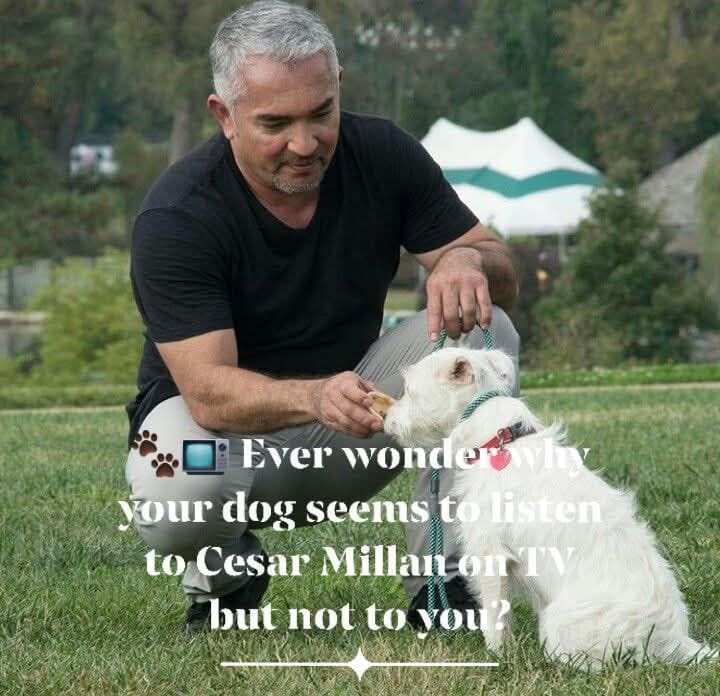
According to renowned dog behaviorist Cesar Millan, the problem isn’t your dog’s stubbornness. It’s a communication breakdown—and you’re likely the one sending mixed signals.
Here’s what’s really going on and how to change it.
The Foundation: Understanding Canine Communication
Dogs Read Energy, Not Words
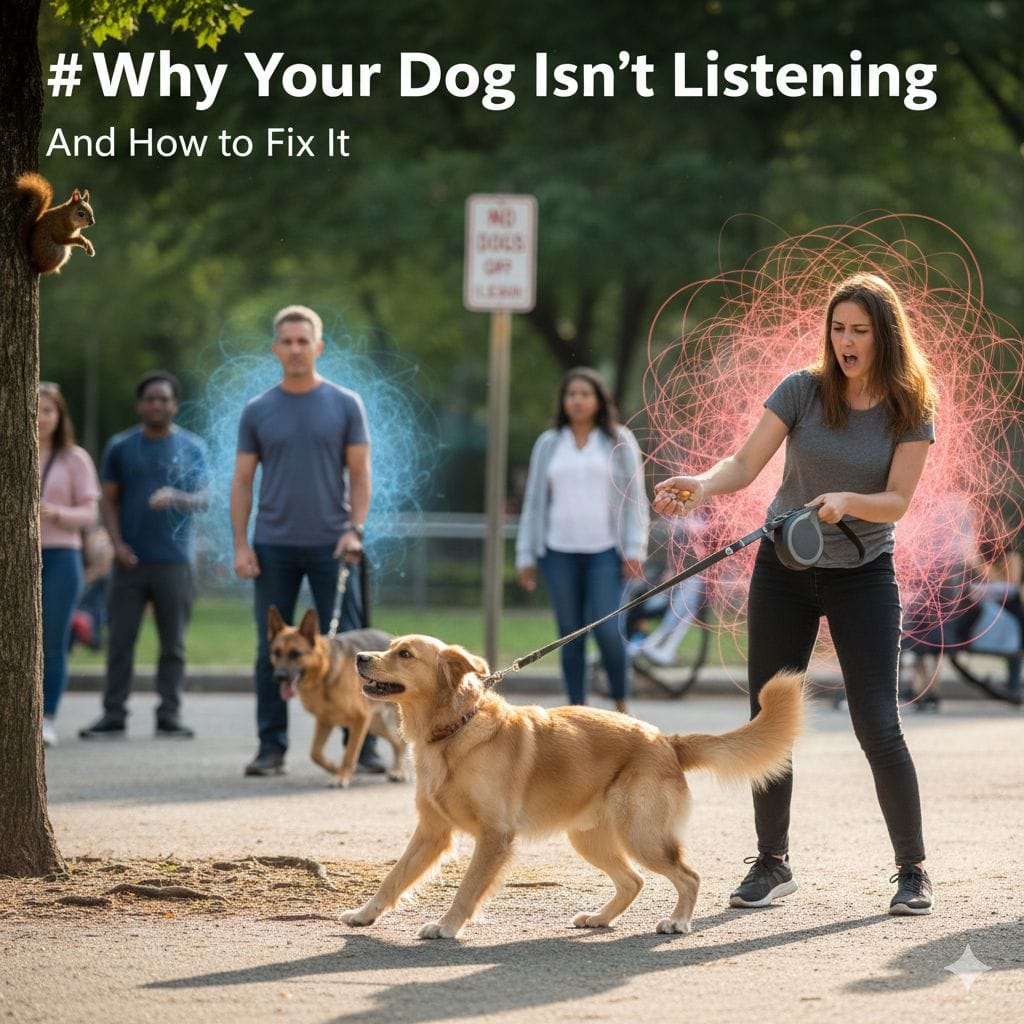
Here’s the truth most dog owners miss: your dog doesn’t process language the way you do. When you say “sit,” your dog isn’t responding to the word itself—he’s reading your energy, body language, and intention.
You might say “come here” three different ways:
- In a sweet, pleading voice
- In a frustrated, angry tone
- In a nervous, uncertain manner
The word stays the same, but to your dog, everything has changed.
Dogs naturally follow calm, assertive energy. This is how they communicate within their pack and how leadership naturally emerges. When your energy is nervous, inconsistent, or overly emotional, your dog doesn’t sense a leader—he senses confusion.
The Seven Reasons Your Dog Ignores You
1. You’re Requesting, Not Directing
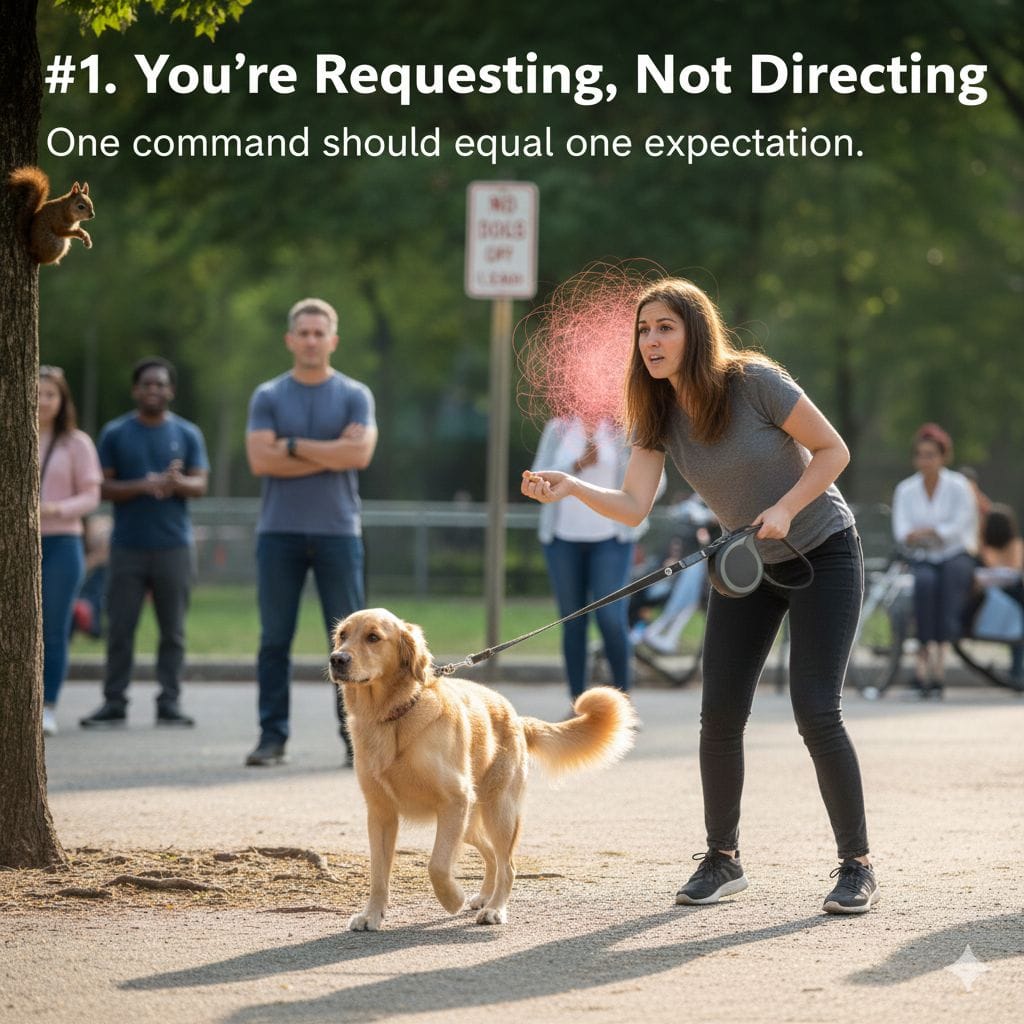
Pay attention to how you give commands:
“Come here… please?”
“Sit, sit, sit… SIT!”
“No… stop… I said no…”
To your dog, this sounds uncertain. You’re negotiating instead of leading.
When you repeat commands or escalate your tone, your dog learns a dangerous lesson: “I don’t have to respond the first time.” One command should equal one expectation. Clear direction, not conversation.
2. Your Rules Keep Changing
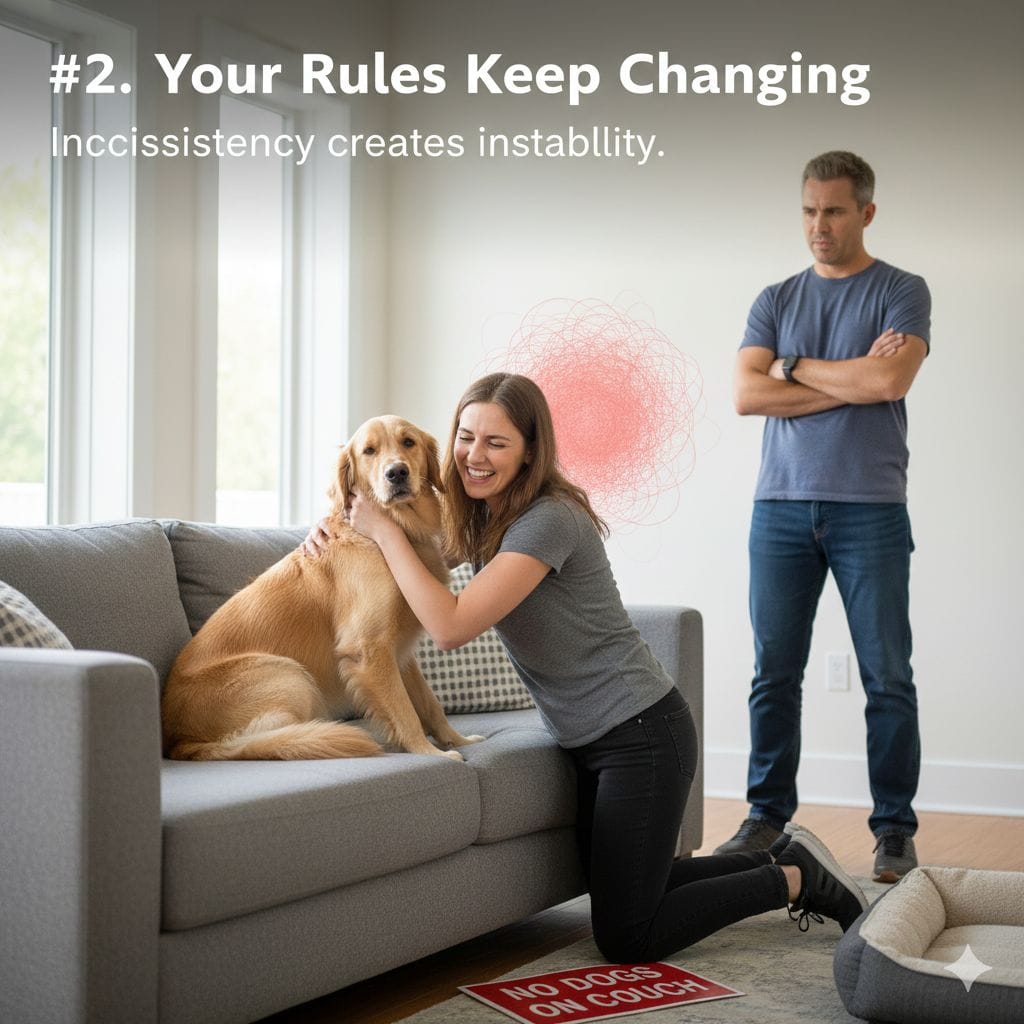
Think about your household honestly:
- Does your dog jump on you sometimes and get affection for it?
- Is the couch off-limits… except when you’re feeling cuddly?
- Do different family members enforce different boundaries?
Inconsistency creates instability in a dog’s mind. Dogs thrive on structure and clear expectations. Without consistent rules, your dog will either take control through dominant behavior or become anxious and reactive.
As Millan says, “A dog without rules will create his own.” Those rules rarely align with what you actually want.
3. Unused Energy Equals Unmanageable Behavior
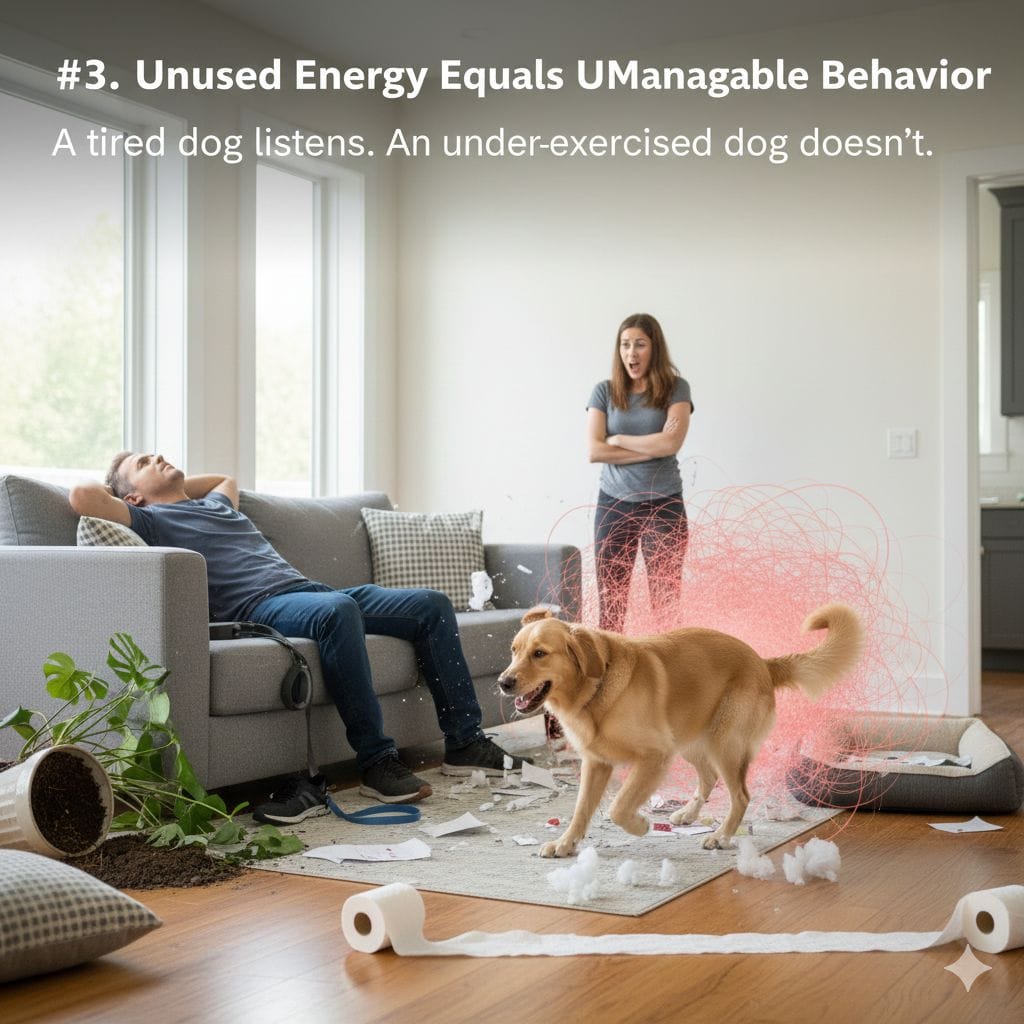
A tired dog listens. An under-exercised dog doesn’t.
Many behavior problems stem directly from pent-up physical and mental energy:
- Not responding to commands
- Leash pulling
- Excessive barking
- Destructive chewing
Cesar Millan’s famous formula is: Exercise → Discipline → Affection
Most owners do the opposite: Affection → Discipline → (maybe) Exercise
Without proper exercise first, your dog’s brain operates in survival mode, not learning mode. He can’t focus on your commands because his body is desperate to burn energy.
4. Emotion Undermines Authority

When dogs misbehave, humans typically react with anger, frustration, or guilt. Here’s the problem: dogs don’t understand emotional corrections.
Yelling, begging, or overreacting signals to your dog that you’re unstable—and unstable pack members don’t lead. Effective correction requires calm certainty, not drama.
Watch how Millan works with dogs: no anger, no fear, no theatrics. Just calm, consistent redirection.
5. The Respect Gap
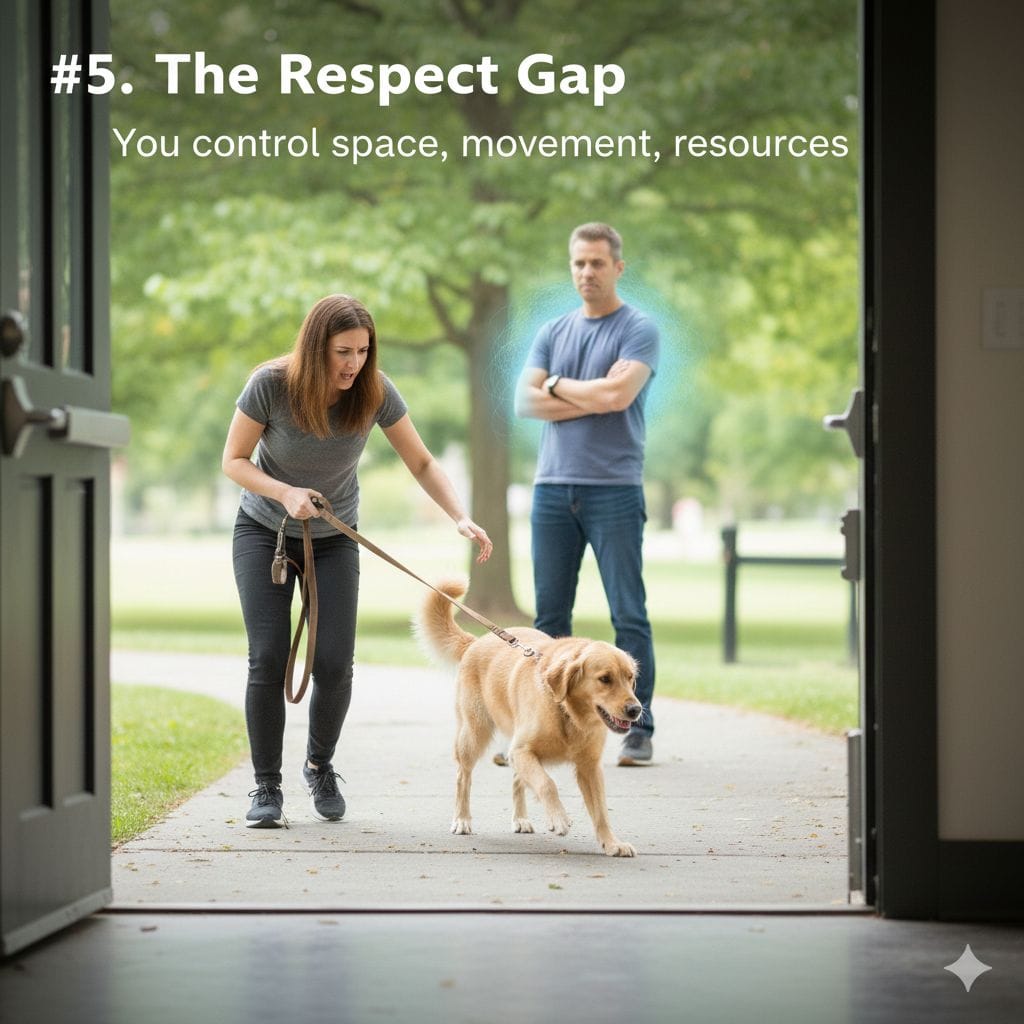
This isn’t about your dog being “bad.” In the canine world, respect means:
- You control space
- You control movement
- You control resources
If your dog walks ahead pulling the leash, enters doorways first, or ignores physical boundaries, he sees himself as the decision-maker.
Leadership isn’t about dominance through force—it’s about confidence, clarity, and consistency.
6. Trust Must Come First
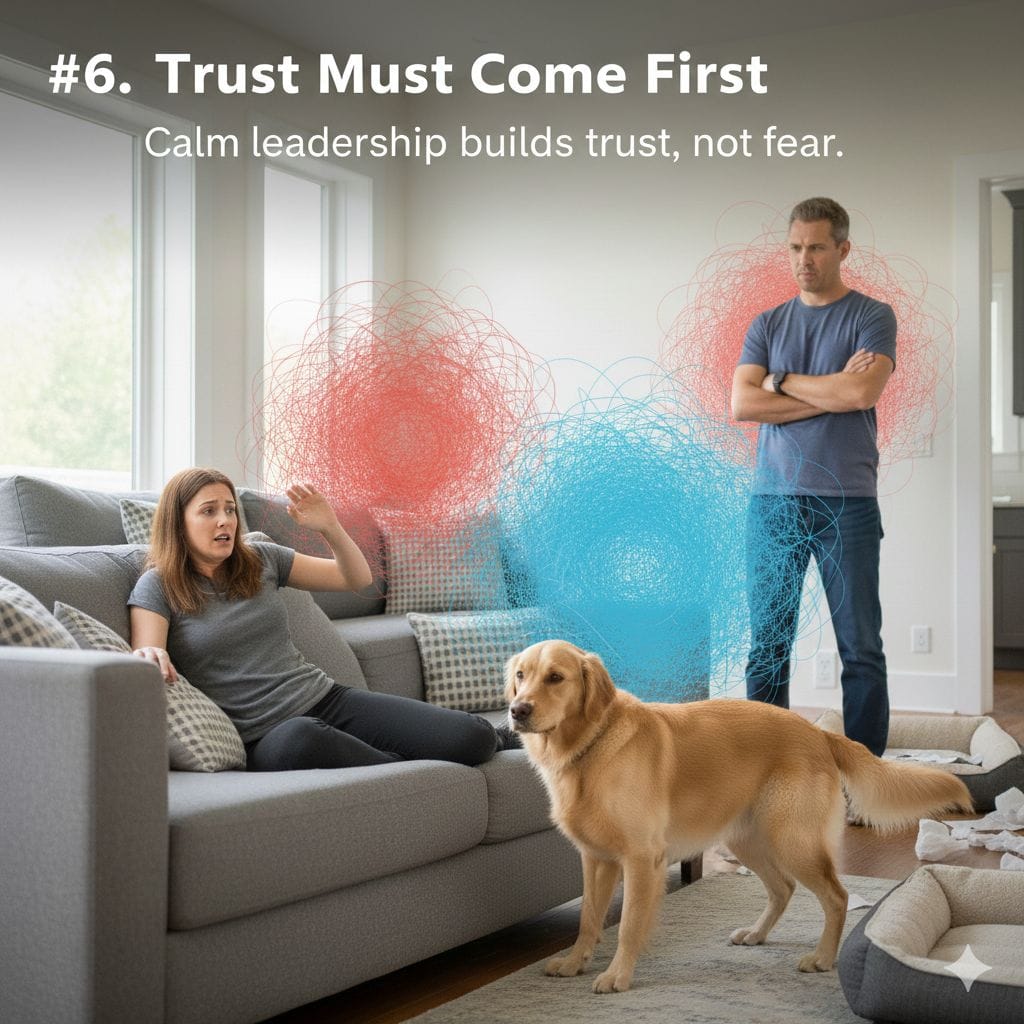
Dogs don’t follow leaders they don’t trust.
If your energy is anxious, unpredictable, or uncertain, your dog may step up to “protect” or take control of situations. Calm leadership builds trust, and trust creates obedience.
Not treats. Not yelling. Not force. Trust.
7. You’re Focused on the Dog Instead of Yourself
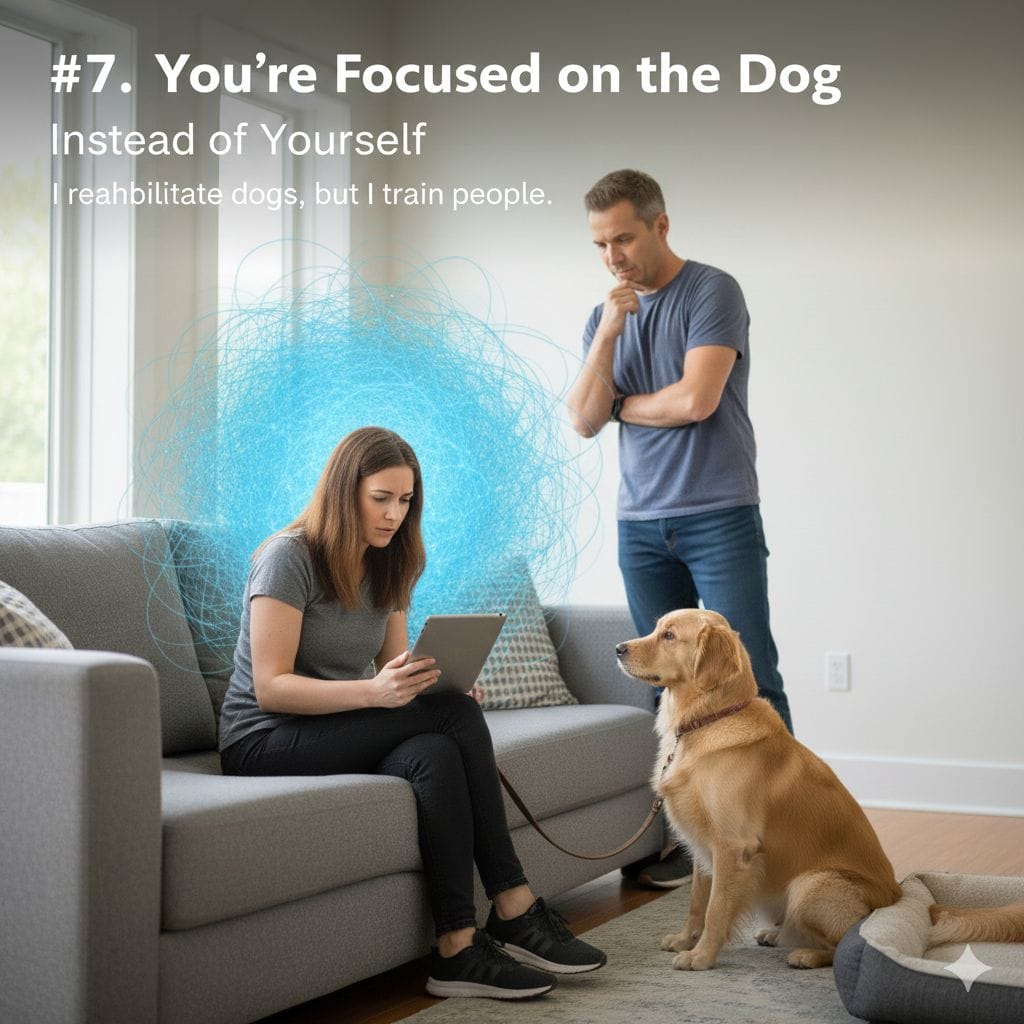
Here’s Millan’s most surprising insight: “I rehabilitate dogs, but I train people.”
If your dog doesn’t listen, it’s usually not defiance—it’s confusion, lack of structure, or unclear leadership. Your dog is responding to what you’re projecting, even when you don’t realize what that is.
The Path Forward: Three Core Changes
To transform your relationship with your dog, focus on these fundamentals:
Become Calm
Your energy sets the tone for every interaction. Dogs mirror what they receive. Anxious owner, anxious dog. Calm owner, calm dog.
Become Clear
One command. One expectation. No repeating, no negotiating, no mixed signals. Mean what you say and follow through consistently.
Become Consistent
Everyone in your household must enforce the same rules, the same way, every time. Structure creates security, and security creates good behavior.
The Bottom Line
Your dog isn’t ignoring you because he’s stubborn, defiant, or “just being a dog.” He’s ignoring you because the communication isn’t clear, the leadership isn’t established, or the structure isn’t there.
The good news? This is entirely within your power to change.
Fix your energy. Fix your consistency. Fix your approach.
Your dog will follow.