Keto Lemon Bar Cookies – Sweet, Tangy & Perfectly Low-Carb
Prep Time: 25 minutes
Cook Time: 30 minutes
Total Time: 55 minutes
Yield: 12 cookies
Difficulty: Medium
Diet: Keto, Low-Carb, Gluten-Free, Vegetarian

Description
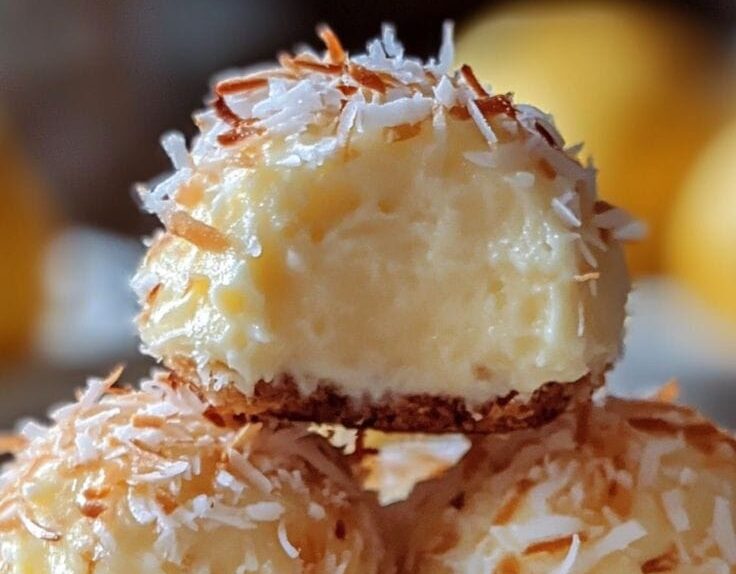
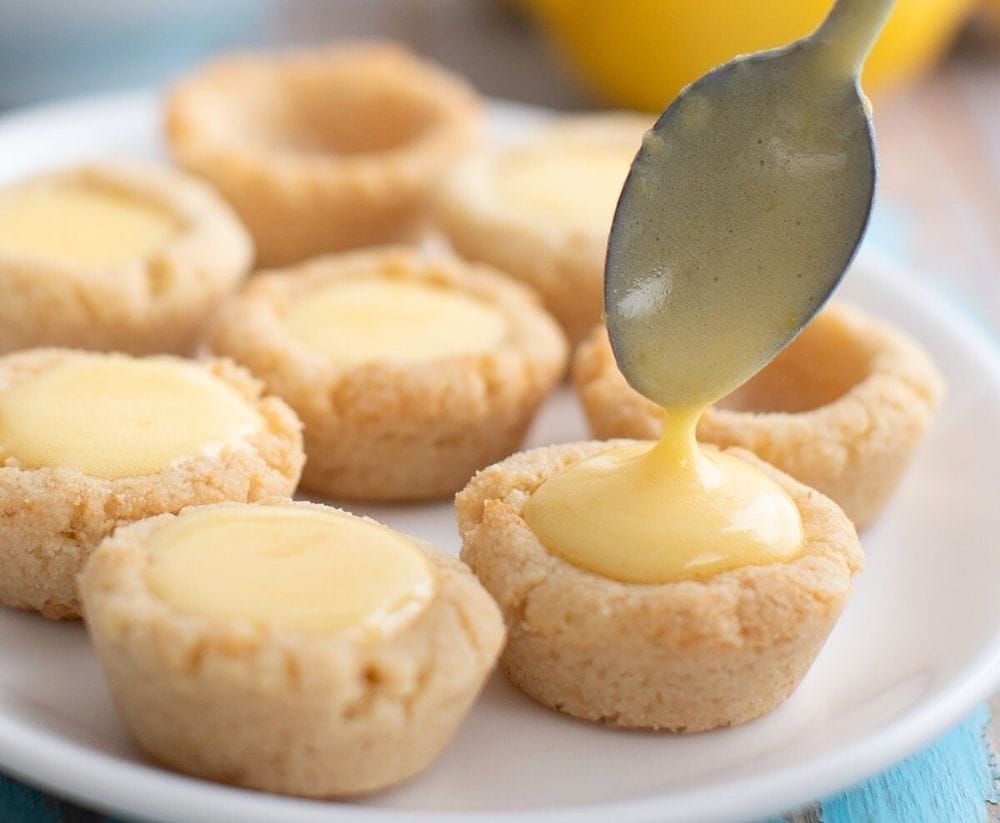
Tender cookie cups filled with creamy keto lemon curd! These keto lemon bar cookies are a sweet and tangy treat that’s sure to please. Imagine all the bright, sunny flavor of classic lemon bars transformed into adorable, portable cookie cups with a buttery shortbread-style base and a luscious lemon curd filling. Each bite delivers the perfect balance of sweet and tart, with a melt-in-your-mouth texture that makes it hard to believe they’re sugar-free and keto-friendly. Whether you’re craving something citrusy, need an impressive dessert for entertaining, or simply want to brighten your day, these lemon bar cookies are sunshine in edible form.
Why These Keto Lemon Bar Cookies Are Extraordinary
Lemon bars hold a special place in the dessert world—they’re simultaneously elegant and comforting, sophisticated yet nostalgic. But traditional lemon bars come with a hefty carb count thanks to the shortbread crust and sugar-laden filling. These keto lemon bar cookies solve that problem beautifully, delivering all the flavor you love in a perfectly portioned, macro-friendly package.
Individual Portions: No need to cut and serve—these come pre-portioned in adorable cookie cup form, making them perfect for parties, meal prep, or portion control.
Authentic Lemon Flavor: Real lemon juice and zest create genuine citrus flavor without relying on artificial extracts or flavorings.
Perfect Texture Contrast: The tender, buttery cookie shell provides the ideal contrast to the smooth, creamy lemon curd filling.
Impressive Presentation: These look like they came from a fancy bakery but are surprisingly simple to make at home.
Stable Macros: With only 3g net carbs per cookie, you can enjoy these without derailing your keto goals.
Naturally Gluten-Free: Made with almond flour, these are perfect for anyone avoiding gluten.
Ingredients
For the Cookie Cups:
- 2 cups almond flour (finely ground, blanched)
- ⅓ cup powdered erythritol or monk fruit sweetener
- ¼ cup butter, softened (not melted)
- 1 large egg
- 1 tablespoon lemon zest (from about 2 lemons)
- ½ teaspoon vanilla extract
- ¼ teaspoon sea salt
- ¼ teaspoon baking powder
For the Keto Lemon Curd Filling:
- 3 large egg yolks
- ½ cup fresh lemon juice (from about 3-4 lemons)
- ⅓ cup powdered erythritol or monk fruit sweetener
- 1 tablespoon lemon zest
- 4 tablespoons butter, cut into small pieces
- Pinch of sea salt
- Optional: ½ teaspoon xanthan gum (for thicker curd)
For Garnish (Optional):
- Powdered erythritol for dusting
- Fresh lemon zest
- Small lemon slices
- Fresh mint leaves
- Whipped cream
Equipment Needed
- 12-cup muffin tin
- Parchment paper or muffin liners
- Medium mixing bowl
- Small saucepan
- Whisk
- Hand mixer or stand mixer
- Fine mesh strainer
- Rubber spatula
- Measuring cups and spoons
- Zester or microplane
- Small bowl
Instructions

Part 1: Make the Cookie Cups
Step 1: Preheat and Prepare
Preheat your oven to 350°F (175°C). Line a 12-cup muffin tin with parchment paper liners or lightly grease with butter or coconut oil. Set aside.
Step 2: Mix Dry Ingredients
In a medium bowl, whisk together the almond flour, powdered sweetener, baking powder, and sea salt until well combined and no lumps remain.
Step 3: Cream Butter and Add Wet Ingredients
In a separate large bowl, use a hand mixer to beat the softened butter until creamy—about 1 minute. Add the egg, lemon zest, and vanilla extract. Beat until well combined and slightly fluffy—about 1-2 minutes.
Step 4: Combine Wet and Dry
Add the dry ingredients to the wet ingredients and mix on low speed (or stir with a wooden spoon) until a soft, slightly sticky dough forms. The dough should hold together when pressed but not be overly wet.
Step 5: Form Cookie Cups
Divide the dough into 12 equal portions (about 2 tablespoons each). Roll each portion into a ball, then place one in each prepared muffin cup.
Using your thumb or the back of a small spoon, press the dough into the bottom and up the sides of each muffin cup, creating a cup shape with a well in the center. The walls should be about ¼ inch thick. Make sure there are no cracks or holes, as the lemon curd will leak through.
Pro Tip: Dip your thumb in a bit of water or oil to prevent sticking while shaping the cups.
Step 6: Pre-Bake the Cookie Cups
Bake the cookie cups for 12-15 minutes, or until they’re lightly golden around the edges and set. If the centers puff up during baking, gently press them back down with the back of a spoon immediately after removing from the oven.
Remove from the oven and let cool in the pan while you prepare the lemon curd. Keep the oven on at 350°F.
Part 2: Make the Keto Lemon Curd
Step 7: Prepare the Lemon Mixture
In a small saucepan, whisk together the egg yolks, lemon juice, powdered sweetener, lemon zest, and a pinch of salt. The mixture will be thin and pale yellow.
Step 8: Cook the Curd
Place the saucepan over medium-low heat. Add the butter pieces to the mixture. Whisk constantly and continuously—this is important! The mixture will gradually thicken as you whisk.
Continue whisking for 8-12 minutes. The curd is ready when it’s thick enough to coat the back of a spoon and reaches about 170-175°F on a thermometer. It should have a smooth, pudding-like consistency.
Important: Don’t let the mixture boil or get too hot, or the eggs will scramble. If you see any steam or bubbles forming, immediately remove from heat and whisk vigorously, then return to lower heat.
Step 9: Strain the Curd (Optional but Recommended)
For the smoothest texture, pour the lemon curd through a fine mesh strainer into a clean bowl. This removes any bits of cooked egg or zest, creating a perfectly silky curd.
If using xanthan gum for a thicker consistency, whisk it into the warm curd now. Start with ¼ teaspoon, mix well, and add more if desired.
Step 10: Cool Slightly
Let the lemon curd cool for about 5 minutes. It will continue to thicken as it cools.
Part 3: Assemble and Bake
Step 11: Fill the Cookie Cups
Spoon or pipe the lemon curd into each pre-baked cookie cup, filling them nearly to the top (leave about ⅛ inch space from the rim). Each cookie cup should hold about 1-1½ tablespoons of lemon curd.
Step 12: Final Bake
Return the filled cookie cups to the oven and bake for an additional 8-10 minutes. The lemon curd should look set around the edges but still have a slight jiggle in the center. It will firm up as it cools.
Step 13: Cool Completely
Remove from the oven and let the cookies cool completely in the muffin tin—at least 30 minutes. The lemon curd needs time to set properly. For best results, refrigerate for 1-2 hours before serving.
Step 14: Remove and Garnish
Once completely cooled and set, carefully remove the lemon bar cookies from the muffin tin. If you didn’t use liners, run a butter knife gently around the edges to loosen.
Dust with powdered erythritol, garnish with fresh lemon zest, or top with a small dollop of whipped cream if desired.
Step 15: Serve and Enjoy
Serve chilled or at room temperature. These are at their best when the cookie is tender and the lemon curd is cool and creamy.
Recipe Notes
Lemon Selection: Use fresh lemons for the best flavor. You’ll need about 4-5 lemons total for both the zest and juice. Choose lemons that are bright yellow, firm, and heavy for their size—these are the juiciest.
Zesting Before Juicing: Always zest your lemons before juicing them. It’s nearly impossible to zest a juiced lemon!
Almond Flour Quality: Use blanched, finely ground almond flour (not almond meal). Bob’s Red Mill or Anthony’s are excellent brands. Coarse almond meal will create a grainy texture.
Sweetener Adjustments: Lemon desserts can vary in sweetness preference. Taste your lemon curd before filling the cups and adjust sweetness if needed. Remember that chilling dulls sweetness slightly.
Preventing Leaks: Make sure your cookie cups don’t have any cracks or thin spots where the lemon curd could leak through. Press the dough evenly and check before filling.
Butter Temperature: The butter for the cookie cups should be softened (room temperature) but not melted. Melted butter will make the dough too runny.
Xanthan Gum: This is optional but helps create a thicker, more stable lemon curd that’s easier to work with. If you skip it, the curd will be slightly thinner but still delicious.
Storage Instructions
Refrigerator: Store in an airtight container in the refrigerator for up to 5 days. The cookie cups may soften slightly over time but will still be delicious. For crispest cookies, store with parchment paper between layers.
Freezer: These freeze beautifully! Place in a single layer in a freezer-safe container with parchment between layers. Freeze for up to 2 months. Thaw in the refrigerator overnight before serving.
Make-Ahead: You can make the cookie cups and lemon curd separately up to 2 days ahead. Store separately and fill the cups the day you plan to serve for the crispest texture. Or make them completely and store in the fridge—they’re delicious either way!
Room Temperature: These can sit at room temperature for 2-3 hours if needed for serving, but should be refrigerated for longer storage due to the egg-based lemon curd.
Nutritional Information (Per Cookie)
Based on 12 servings
- Calories: 165
- Total Fat: 15g
- Saturated Fat: 5g
- Protein: 5g
- Total Carbohydrates: 6g
- Fiber: 2g
- Net Carbs: 3g
- Sugar: 1g (naturally occurring)
- Sugar Alcohols: 8g (from erythritol, not absorbed)
- Sodium: 95mg
Macro Breakdown:
- Fat: 82%
- Protein: 12%
- Net Carbs: 6%
The Magic of Lemon in Keto Baking
Why Lemon Works for Keto
Lemons are one of the most keto-friendly fruits you can use in baking. While most fruits are too high in sugar and carbs, lemons are relatively low-carb, especially when you’re using them for their juice and zest rather than eating the whole fruit.
Net Carbs in Lemon:
- 1 tablespoon lemon juice: ~1g net carbs
- 1 teaspoon lemon zest: negligible carbs
This means you can achieve bright, authentic lemon flavor without significantly impacting your daily carb count.
The Power of Lemon Zest
Lemon zest is where the magic happens. The zest contains aromatic oils that deliver intense lemon flavor without the acidity or carbs of juice. This is why we use zest in both the cookie base and the lemon curd—it amplifies the lemon flavor throughout.
Balancing Sweet and Tart
One challenge with keto lemon desserts is achieving the perfect sweet-tart balance without sugar. Sugar doesn’t just add sweetness—it also balances acidity. Keto sweeteners can sometimes emphasize tartness. This recipe uses enough sweetener to balance the lemon’s acidity while still allowing that bright, tangy flavor to shine through.
Variations and Flavor Twists
Lime Bar Cookies
Replace lemon juice and zest with lime for a tropical twist. Key limes work especially well for an authentic key lime pie flavor.
Meyer Lemon Cookies
If you can find Meyer lemons, use them! They’re sweeter and less acidic than regular lemons, creating a more delicate flavor.
Lemon Blueberry Cookies
Add 2-3 fresh or frozen blueberries to each cookie cup before adding the lemon curd. The berries add a pop of color and complementary flavor.
Lemon Lavender Cookies
Add ½ teaspoon culinary lavender to the lemon curd while cooking for an elegant, floral note. Strain out the lavender before filling the cups.
Raspberry Lemon Cookies
Swirl a small amount of sugar-free raspberry puree into the lemon curd before filling the cups for a beautiful marbled effect.
Orange Cream Cookies
Replace lemon with orange juice and zest. Add a tablespoon of heavy cream to the curd for a creamsicle effect.
Lemon Coconut Cookies
Add ¼ cup unsweetened shredded coconut to the cookie dough and sprinkle toasted coconut on top of the filled cups.
Lemon Poppy Seed Cookies
Add 1 tablespoon poppy seeds to the cookie dough for classic lemon poppy seed flavor and visual appeal.
Chocolate Lemon Cookies
Add 2 tablespoons cocoa powder to the cookie dough for chocolate cups filled with lemon curd—a sophisticated flavor combination.
Lemon Cheesecake Cookies
Add 2 tablespoons softened cream cheese to the lemon curd for a lemony cheesecake-style filling.
Tips for Perfect Lemon Bar Cookies
Getting the Right Cookie Texture
The cookie cups should be tender and slightly crumbly, like shortbread. If they’re too hard, you may have overbaked them or used too much almond flour. If they’re falling apart, you may need slightly more butter or an extra tablespoon of almond flour to bind.
Achieving Smooth Lemon Curd
Constant whisking is the key to smooth, lump-free lemon curd. Never stop whisking while the mixture is on the heat. If you do get lumps (scrambled egg bits), simply strain the curd through a fine mesh strainer—problem solved!
Preventing Soggy Bottoms
Pre-baking the cookie cups ensures the bottoms stay crisp even after adding the wet lemon curd. Don’t skip this step, or you’ll end up with soggy cookies.
Temperature Control for Curd
Use medium-low heat and be patient. It takes 8-12 minutes for the curd to thicken properly. Trying to rush it with high heat will result in scrambled eggs. If you have an instant-read thermometer, aim for 170-175°F.
Portion Control
Using a cookie scoop or measuring out 2 tablespoons of dough per cup ensures all your cookies are the same size and bake evenly.
Serving Temperature
These are delicious both chilled and at room temperature. Chilled lemon curd is firmer and more set, while room temperature curd is softer and creamier. Try both and see which you prefer!
Troubleshooting Common Issues
Cookie cups are too crumbly and falling apart:
- Cause: Not enough butter or egg, or the dough wasn’t pressed firmly enough
- Fix: Add an extra tablespoon of softened butter to the dough, and really press and pack the dough firmly into the muffin cups
Lemon curd is too runny:
- Cause: Didn’t cook long enough, or heat was too low
- Fix: Return to heat and cook longer, whisking constantly. Add ¼ teaspoon xanthan gum to thicken
Lemon curd has lumps:
- Cause: Heat was too high and eggs scrambled, or wasn’t whisked constantly
- Fix: Strain through a fine mesh strainer to remove lumps
Cookie cups stuck to the pan:
- Cause: Pan wasn’t greased, or cookies weren’t cooled enough before removing
- Fix: Let cool completely, then run a butter knife around edges. Always use liners or grease well
Lemon curd leaked through cookie cups:
- Cause: Cookie cups had cracks or thin spots
- Fix: Make sure to press dough evenly with no gaps. Check for cracks before filling
Cookies are too hard:
- Cause: Overbaked
- Fix: Watch them carefully and remove when just lightly golden. They continue to firm as they cool
Not lemony enough:
- Cause: Not enough lemon zest, or old lemons with less flavor
- Fix: Use fresh lemons and don’t skimp on the zest. Add extra zest if desired—up to 2 tablespoons total
Too tart:
- Cause: Personal preference—some people are more sensitive to acidity
- Fix: Increase sweetener in the lemon curd by 1-2 tablespoons
The Art of Making Lemon Curd
What Is Lemon Curd?
Lemon curd is a rich, creamy spread made from lemon juice, eggs, butter, and sugar (or in our case, keto sweetener). It originated in England and has been a beloved accompaniment to scones and pastries for centuries.
The process of making lemon curd is essentially creating a custard—gently cooking eggs with acid and fat until they thicken into a smooth, spreadable consistency. The key is low heat and constant motion to prevent the eggs from scrambling.
Why Egg Yolks Only?
Most lemon curd recipes use only egg yolks rather than whole eggs. This is because:
- Richer flavor: Yolks are fatty and luxurious
- Better color: Creates that beautiful golden-yellow hue
- Smoother texture: Egg whites can make curd slightly grainy
- More stable: Less likely to curdle
What to Do with Leftover Egg Whites?
Don’t waste those whites! Use them for:
- Keto meringue cookies
- Royal icing
- Egg white omelets
- Freeze them for later use (they freeze beautifully)
Serving Suggestions and Occasions
Perfect for Spring and Summer
These bright, citrusy cookies are ideal for warm-weather gatherings. Their light, refreshing flavor is welcome when it’s hot outside, unlike heavy chocolate desserts.
Tea Party Treats
Lemon desserts are classic tea party fare. Arrange these on a tiered serving stand alongside sugar-free scones and cucumber sandwiches for an elegant afternoon tea.
Mother’s Day and Bridal Showers
The pretty yellow color and elegant presentation make these perfect for feminine celebrations. They look beautiful garnished with edible flowers.
Easter Dessert
Their sunny yellow color makes them a natural choice for Easter celebrations. Arrange on a platter with pastel napkins for a festive presentation.
Picnic and Potluck Winner
These travel well since they’re individually portioned and don’t require utensils. Pack them in a container and transport chilled.
Wedding and Party Favors
Package individual cookies in clear cellophane bags tied with ribbon for adorable party favors that guests will actually want to eat.
Pairing Suggestions
Beverage Pairings
Tea: Earl Grey, chamomile, or green tea complement the lemon beautifully
Coffee: Surprisingly good with black coffee—the citrus cuts the bitterness
Sparkling Water: Lemon or lime sparkling water doubles down on citrus
White Wine: A crisp Sauvignon Blanc or Pinot Grigio pairs perfectly
Champagne: For celebrations, the acidity of champagne matches the tartness of lemon
Food Pairings
These are dessert, but if you’re creating a full keto tea party spread, serve them alongside:
- Keto cucumber sandwiches
- Smoked salmon on almond flour crackers
- Cheese and charcuterie board
- Fresh strawberries with whipped cream
- Keto scones with butter
Why Homemade Beats Store-Bought
Quality Control
When you make these yourself, you know exactly what’s in them. No questionable seed oils, artificial preservatives, or hidden sugars. Just real, wholesome ingredients.
Freshness
Homemade lemon curd tastes infinitely better than jarred versions. The bright, fresh lemon flavor simply can’t be replicated in mass-produced products.
Customization
You control the sweetness level, the intensity of lemon flavor, and can adapt the recipe to your exact preferences and dietary needs.
Cost-Effective
Store-bought keto desserts are expensive—often $3-5 per serving. These cookies cost about $1 per serving to make at home.
Impressive Factor
Homemade always impresses. These look and taste like they came from a fancy bakery, and people will be amazed when you tell them you made them yourself.
Frequently Asked Questions
Can I use bottled lemon juice?
Fresh is always best for the brightest flavor, but in a pinch, bottled will work. Just know the flavor won’t be quite as vibrant. Never use bottled lemon juice for the zest—you need fresh lemons for that.
Can I make these nut-free?
Almond flour is essential for the texture and structure of the cookie cups. Coconut flour won’t work as a 1:1 substitute. You might try sunflower seed flour, but I haven’t tested it.
My lemon curd is too sweet. Can I fix it?
Once it’s made, you can’t reduce sweetness, but you can add more lemon juice to balance it. Add 1 tablespoon at a time, whisking well.
Can I use whole eggs instead of just yolks?
You can, but the texture will be slightly less rich and the color paler. If you do, use 2 whole eggs instead of 3 yolks.
How do I know when the lemon curd is thick enough?
It should coat the back of a spoon and hold a line when you draw your finger through it. It will thicken more as it cools, so don’t overcook it.
Can I make mini versions?
Yes! Use a mini muffin tin and reduce baking times by about 5 minutes for both the initial bake and final bake. You’ll get about 24 mini cookies.
Will these work with coconut flour?
No, coconut flour absorbs liquid differently and can’t be substituted 1:1 for almond flour. The cookies wouldn’t hold together properly.
Can I skip the xanthan gum?
Yes! It’s just a thickening agent. Your curd will be slightly thinner but still delicious and will set as it cools.
How can I tell if my cookie cups are done pre-baking?
They should be lightly golden around the edges and set to the touch. They’ll continue to firm as they cool.
Can I use Meyer lemons?
Absolutely! Meyer lemons are sweeter and less acidic, so you might want to reduce the sweetener slightly or add a touch more regular lemon juice for tartness.
Final Thoughts
These Keto Lemon Bar Cookies represent everything that’s wonderful about low-carb baking—they prove that you don’t need sugar or flour to create something truly special. The bright, sunny flavor of fresh lemon combined with a buttery, tender cookie creates a dessert that’s both nostalgic and exciting.
The beauty of these cookies lies in their versatility. They’re elegant enough for formal occasions yet simple enough for weeknight treats. They’re impressive to guests yet easy enough for beginner bakers. They’re indulgent in flavor yet light and refreshing in feel.
Perhaps best of all, they demonstrate that the keto lifestyle doesn’t mean sacrificing joy, celebration, or the simple pleasure of a beautiful homemade dessert. These cookies deliver all the happiness of traditional lemon bars in a form that supports your health goals and keeps your blood sugar stable.
Whether you’re making them for a special occasion, meal prepping your weekly desserts, or simply craving something bright and citrusy, these lemon bar cookies are sure to become a staple in your keto baking repertoire. They’re proof that sometimes the best things in life are both sweet and sugar-free.
So grab those lemons, preheat your oven, and get ready to create little cups of sunshine that will brighten your day and delight your taste buds—all while keeping you perfectly in ketosis.
Ready to bring sunshine to your keto kitchen? Pin this recipe and let the lemon love begin! 🍋✨