
11 Best Dog Whisperer Tips from Cesar Millan
Real-Life Insights to Transform Your Dog’s Behavior

If your dog constantly pulls on the leash, ignores commands, or shows signs of anxiety, you’re not alone. Cesar Millan, the world-renowned “Dog Whisperer,” has spent decades helping owners understand what their dogs really need. His philosophy centers on one powerful idea: most behavioral problems stem from how we communicate with our dogs, not from the dogs themselves.
Here are 11 essential tips from Cesar Millan that can transform your relationship with your four-legged companion.
1. Exercise, Discipline, and Affection—In That Order
Cesar’s golden rule is simple but often misunderstood. Dogs need physical exercise first, mental discipline second, and affection third. Many owners give love freely but skip the exercise and boundaries that dogs crave. A tired dog is a well-behaved dog. Before expecting good behavior, make sure your dog has burned off excess energy through walks, runs, or play.
2. Be the Calm, Assertive Pack Leader
Dogs are pack animals, and every pack needs a leader. Cesar emphasizes that you must project calm, assertive energy. This doesn’t mean being aggressive or loud. It means being confident, consistent, and clear in your expectations. When you’re anxious or unsure, your dog picks up on that energy and may become anxious or dominant themselves.
3. Live in the Moment
Dogs don’t dwell on the past or worry about the future. They live entirely in the present moment. When correcting behavior, do it immediately, not five minutes later. Similarly, don’t hold grudges. If your dog misbehaved this morning, treat the afternoon as a fresh start. This present-focused mindset helps you communicate more effectively.
4. Master the Walk
The daily walk is much more than exercise—it’s a ritual that establishes your role as leader. Cesar teaches that your dog should walk beside or behind you, never pulling ahead. Use a short leash, keep your shoulders back, and walk with purpose. The dog who leads the walk often thinks they lead the household.
5. Set Rules, Boundaries, and Limitations
Dogs thrive with structure. Decide what’s allowed and what isn’t, then enforce those rules consistently. Can your dog sit on the couch? Jump on guests? Enter certain rooms? Whatever you decide, stick to it. Inconsistency confuses dogs and creates behavioral problems. Every family member should follow the same rules.
6. Don’t Nurture Unwanted Behavior
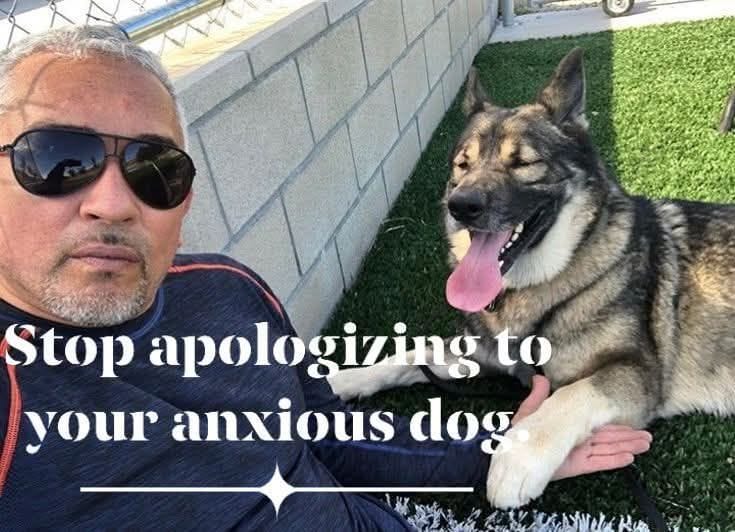
This is where many loving owners go wrong. When your dog shows fear, anxiety, or aggression, your instinct might be to comfort them with soothing words and pets. But this actually rewards and reinforces the unwanted state. Instead, remain calm and don’t give attention until your dog relaxes. You want to reward the calm behavior, not the fearful one.
7. Use Calm, Assertive Energy to Correct
Forget yelling or physical punishment. Cesar corrects dogs with energy and body language. A simple, firm “tsch” sound or a gentle touch can redirect behavior when delivered with the right energy. Your tone and body language matter more than your words. Dogs respond to how you feel, not what you say.
8. Claim Your Space
Teaching your dog to respect your personal space is crucial. If your dog constantly pushes into your space, jumps on you, or blocks doorways, they’re challenging your authority. Practice claiming space by calmly moving into your dog’s area, making them step back. Use your body language to create invisible boundaries. A respectful dog waits for permission to enter your space.
9. Socialize Your Dog Properly
A well-socialized dog is confident and balanced. Expose your dog to different environments, people, and other dogs regularly. But here’s the key: only socialize when your dog is in a calm state. If you bring an excited or anxious dog to a dog park, you’re teaching them that excitement and anxiety are appropriate for social situations.
10. Fulfill Your Dog’s Breed Needs
Every breed was developed for a purpose, and those instincts remain. A herding dog needs to herd, a retriever needs to retrieve, and a terrier needs to dig and chase. Behavioral problems often arise when breed-specific needs aren’t met. Research your dog’s breed and find appropriate outlets for their natural instincts. A border collie won’t be satisfied with a 15-minute stroll around the block.
11. Trust Your Instincts and Stay Consistent
You know your dog better than anyone. Trust your gut feelings about what’s working and what isn’t. That said, consistency is everything. Don’t let your dog on the bed one day and scold them the next. Don’t allow begging on weekends if you don’t allow it during the week. Dogs learn through repetition and clear patterns. The more consistent you are, the faster your dog will learn.
The Bottom Line
Cesar Millan’s approach isn’t about dominance or harsh corrections. It’s about understanding dog psychology and communicating in ways dogs naturally understand. Most behavioral issues resolve when owners provide the right balance of exercise, clear leadership, and appropriate affection.
Start implementing these tips one at a time. You don’t need to be perfect—you just need to be consistent and calm. With patience and practice, you’ll develop the confidence to handle any behavioral challenge, and your dog will become the balanced, happy companion you’ve always wanted.
Remember: you’re not just training a dog. You’re building a relationship based on trust, respect, and clear communication. That’s the real secret behind the Dog Whisperer’s success.